
Last updated October 30, 2026
 Kitchen remodeling
 Bathroom remodeling
 Home additions & ADU
 Roofing
 Windows & doors
 Driveway & pavers
 Fence
Free written scope consultation - allowances, timeline, and change-order rules on paper before a single trade is scheduled
The Complete Guide to Construction in Tustin
Tustin’s housing stock spans three radically different eras: 1950s ranch homes, 1980s tract subdivisions, and post-2000 Tustin Legacy builds. Each era carries its own hidden structural quirks that can triple a renovation scope if you don’t know what you’re walking into. This guide maps exactly what that means for your budget, timeline, and contractor choices in Tustin, California, with Construction Cost Breakdown: The Tustin Homeowner’s Reference for 2026 and more guides & resources. You’ll learn which legacy materials surface in older homes, how local permit processing actually works, what five common projects realistically cost, and why full-scope contractors outperform trade-by-trade coordination in this city’s older neighborhoods.
Quick Answer
Construction in Tustin, CA is shaped by three distinct housing eras, each with different structural risks, plus a zoning split between Old Town, standard residential, and Tustin Legacy parcels that dictates what you can build. Kitchen remodels in Tustin typically run $45,000 to $90,000, ADU additions $180,000 to $350,000, roof replacements $12,000 to $28,000, window packages $15,000 to $40,000, and hardscape builds $25,000 to $75,000 depending on scope and material grades. The smartest move is hiring one full-scope general contractor who understands Tustin’s legacy-home quirks before quoting, because surprises in 1950s ranches cascade across trades when separate contractors aren’t coordinating.
Styles & brands we work with
Table of Contents
- Tustin’s Zoning Split: What You Can Build Where
- Legacy Home Materials That Change Your Project
- Permit Processing Times in Tustin vs. Neighboring Cities
- Why One Contractor Beats Trade-by-Trade Coordination
- Real Cost Ranges for Five Common Tustin Projects
- Material Selection: Brand-Backed Decisions
- Common Mistakes to Avoid
- When to Call a Professional
Tustin’s Zoning Split: What You Can Build Where
Tustin isn’t one zoning story. It’s three. Old Town Tustin, the historic core around Main Street and El Camino Real, carries different setback and design-review requirements than the standard residential tracts that surround it. The Tustin Legacy area, built on the former Marine Corps Air Station land, operates under its own specific plan with distinct development standards. If you’re planning an ADU, a second-story addition, or a significant exterior change, the parcel’s zone determines your design envelope before you ever think about materials.
In Old Town Tustin, many homes fall under historic overlay or design-review guidelines. That means exterior changes visible from the street, window replacement, door styles, even paint colors, may require review beyond the standard building permit. It’s not uncommon for a homeowner to plan a window package only to learn the style must match the neighborhood’s mid-century character. This can add weeks to planning and shift your budget toward custom or period-appropriate products rather than off-the-shelf options. A contractor who’s pulled permits on Rancho Drive or Pacific Street before knows which triggers these reviews and which don’t.
Standard residential tracts, most of the 1960s through 1990s subdivisions east of the 55 freeway, operate under more conventional R-1 zoning. Here the main constraints are setback requirements, lot coverage ratios, and height limits. ADU additions in these neighborhoods follow California state ADU law, which preempts much local restriction, but Tustin still enforces its own supplemental standards around height, side-yard setbacks for two-story units, and parking replacement, so review Construction Permits, Codes & Inspections in CA: What You Need to Know before planning. The practical takeaway: an attached ADU conversion of an existing garage is the fastest permitting path, while a detached new build on a small lot may trigger more plan-check review.
Tustin Legacy parcels, especially those in the Columbus Square and Greenwood neighborhoods, are the newest stock in the city. These homes were built under the Legacy’s master-planned development standards, often with HOA covenants layered on top. If you live in one of these neighborhoods, your HOA’s architectural review may be a gatekeeper before the City of Tustin even sees your plans. We’ve seen Tustin Legacy homeowners surprised by HOA restrictions on exterior color palettes and roofing material choices, especially when a neighborhood-wide aesthetic standard is in effect. The fix is checking both layers, HOA and city, before specing products.
Legacy Home Materials That Change Your Project
Here’s the reality of Tustin’s older housing stock: what’s behind the walls drives your scope more than what you can see. Homes built between 1950 and roughly 1978 commonly contain materials that are now regulated or obsolete. Knowing which ones are likely in your house changes how you sequence demolition, what testing you need, and how much contingency to build into your budget.
Asbestos stucco and drywall texture. Many 1950s and 1960s Tustin ranch homes used asbestos-containing stucco on exteriors and acoustical “popcorn” ceiling texture inside. As long as these materials are intact, they’re not an active hazard. But the moment you cut into them for a remodel, a rewire, or a plumbing rough-in, you trigger abatement requirements. In practice, this means an asbestos survey before demo, containment during removal, and disposal paperwork. That’s not optional and it’s not cheap. Budget $3,000 to $8,000 for typical ceiling texture abatement in a single-story ranch, more if exterior stucco is involved. A contractor who’s worked on homes near Loma Vista Elementary or in the Alderwood tract knows to factor this into the quote rather than spring it on you mid-project.
Aluminum wiring. Tustin homes built between roughly 1965 and 1973 often have aluminum branch circuit wiring. Aluminum wire expands and contracts with heat more than copper, which can loosen connections at outlets and switches over time. That’s a fire risk if left unaddressed. When we open walls for a kitchen or bath remodel in these homes, we routinely find aluminum wiring that needs either full replacement or copper pigtailing at every device. This is a safety item that can add $5,000 to $12,000 to an electrical scope, and it’s one most trade-by-trade remodelers won’t catch until the electrician shows up mid-project. For a General Contractor in Tustin, this is standard pre-quote due diligence, written into the estimate before you sign.
Post-tension slab foundations. Many Tustin homes built in the 1970s and 1980s sit on post-tension concrete slabs. These slabs contain steel cables under tension, and cutting into them without locating the cables first can cause a catastrophic slab failure. This matters for any project that involves moving a drain line, adding a bathroom, or cutting a new plumbing trench through the slab. A contractor who knows post-tension construction will order slab scans, or GPR surveys, before any concrete cutting is scheduled. It’s a few hundred dollars for the survey versus tens of thousands for a failed slab repair. In our experience, Tustin tract homes in the Parkview and Rancho Alisal areas have a high concentration of post-tension slabs.
Permit Processing Times in Tustin vs. Neighboring Cities
Permit timelines in Orange County vary more than most homeowners expect. Tustin’s Community Development Department processes over-the-counter permits for smaller scopes like reroofs and window replacements in a few days to two weeks, but plan-check reviews for additions and ADUs run longer. On average, a standard single-family addition in Tustin takes 4 to 8 weeks through plan check, depending on the complexity of the structural review and whether corrections are requested. Compare that to Irvine, where the same scope often takes 3 to 6 weeks, and Santa Ana, where 6 to 10 weeks is common, and you see Tustin sits in the middle of the regional range.
What that means for your planning: don’t assume an “Orange County average” applies to your project. If you’re building an ADU in Tustin, the state-mandated 60-day review clock under SB 9 and ADU law still applies, but the practical reality is that incomplete applications or submittal corrections can push the total timeline past 90 days. The most reliable way to compress this timeline is complete submittals on day one: full plan sets, structural calculations, Title 24 energy reports, and product spec sheets for every fixture and finish. Contractors who regularly pull permits in Tustin know exactly what the city’s plan checkers want to see and format submittals to match. That alone can cut weeks off your schedule.
There’s also the question of inspection scheduling. Tustin’s building inspections are typically scheduled online with next-day or same-week availability for most scopes, which is better than some neighboring cities where inspection backlogs stretch two weeks. But that speed cuts both ways: fast inspections mean your contractor needs to be ready to phase work correctly and have each trade’s work inspected promptly. A full-scope general contractor sequences this internally, which is a real operational advantage when the city is moving quickly.
Why One Contractor Beats Trade-by-Trade Coordination
Trade-by-trade coordination means you hire a separate remodeler for the interior, a separate roofer for the roof, a separate window company, a separate fence contractor, and so on. In a newer home with predictable structure, that’s manageable. In a 1958 Tustin ranch where the electrical is aluminum, the slab is post-tension, and the ceiling has asbestos texture, it’s a recipe for cascading surprises, as our Construction Emergency Preparedness Guide for Tustin Homes details. Each trade discovers a problem, stops work, notifies you, and you’re on the phone trying to get all five contractors to agree on a new sequence. Change orders pile up. The schedule drifts months.
A full-scope general contractor approaches the same house differently. The discovery happens before the quote, not after. One point of contact means one party accountable for the sequence, one warranty conversation at the end, and one contract that covers the entire scope from interior trades to exterior envelope. That’s the model we practice at Ashbury Contractors: one contractor, every trade. The Home Remodeling in Tustin process starts with a structural and systems assessment, not a paint-and-cabinet estimate. That assessment drives the quote, so you know the electrical scope, the abatement scope, and the slab-cutting scope before you commit.
This matters especially in Tustin’s older neighborhoods because surprises cascade across trades. A roofer discovers rotted fascia and stops. A window crew pulls an old aluminum frame and finds termite damage in the rough opening. An electrician opens a wall and finds aluminum wiring. With separate contractors, each discovery is a project stoppage and a separate change order. With a single full-scope contractor, these are known risks identified during the pre-construction walk, priced into the initial estimate, and addressed in a coordinated sequence. The result is fewer surprises, a more accurate project cost, and a schedule you can actually trust.
Real Cost Ranges for Five Common Tustin Projects
Every project has a range, and in Tustin, the range is wider than most homeowners expect because legacy-home conditions vary so much. Here are the five most common construction scopes we see in this city, with honest mid-range figures based on typical Tustin stock.
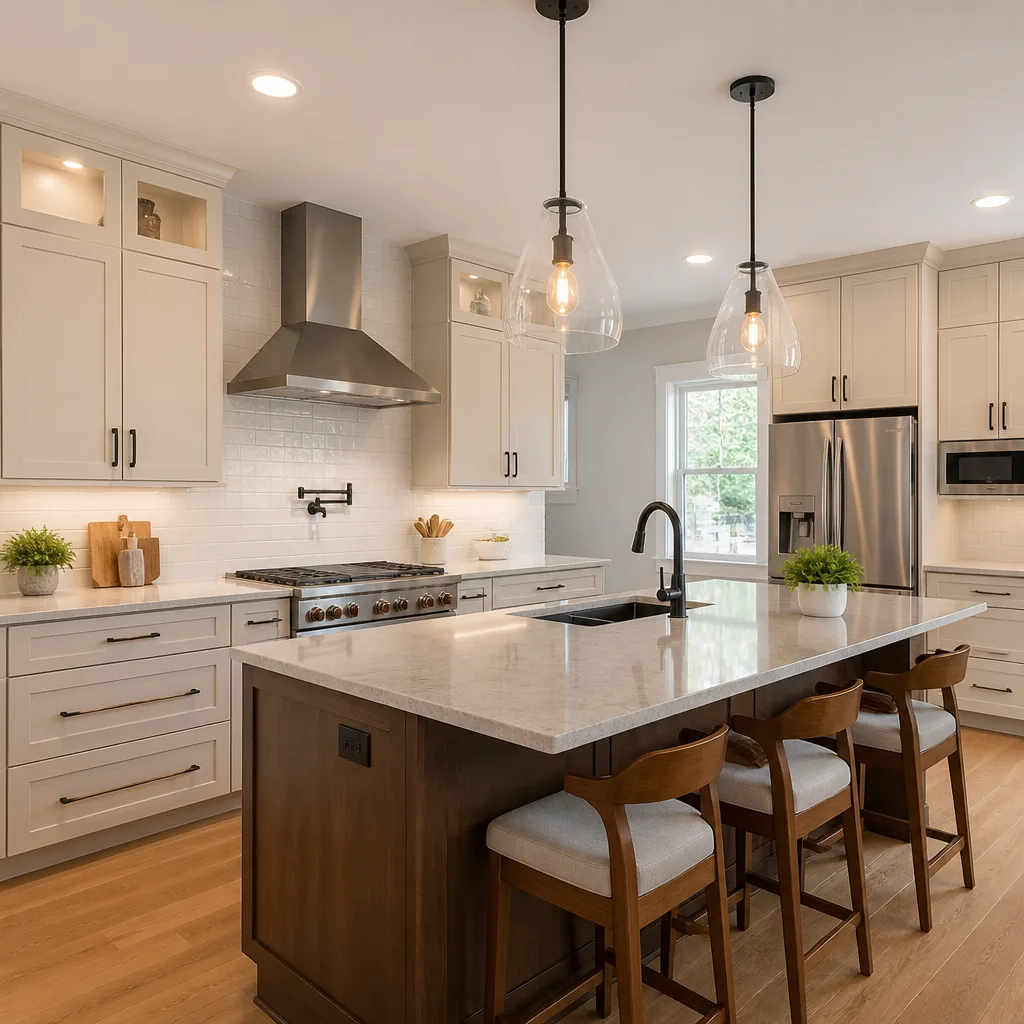
Kitchen Remodel: $45,000 to $90,000
A mid-range kitchen remodel in a Tustin home typically includes cabinet replacement, countertop installation, plumbing fixture upgrades, appliance rough-in adjustments, flooring, and lighting. In older ranches, add the electrical remediation (aluminum wiring), possible asbestos ceiling abatement, and slab work if you’re moving the sink or adding an island with plumbing. Product choices drive the upper end of the range: Cambria quartz countertops, Kohler fixtures, and semi-custom cabinetry can push a kitchen past $90,000 without becoming extravagant. On the lower end, keeping the existing layout and using mid-tier materials keeps you in the $45,000 to $60,000 band.
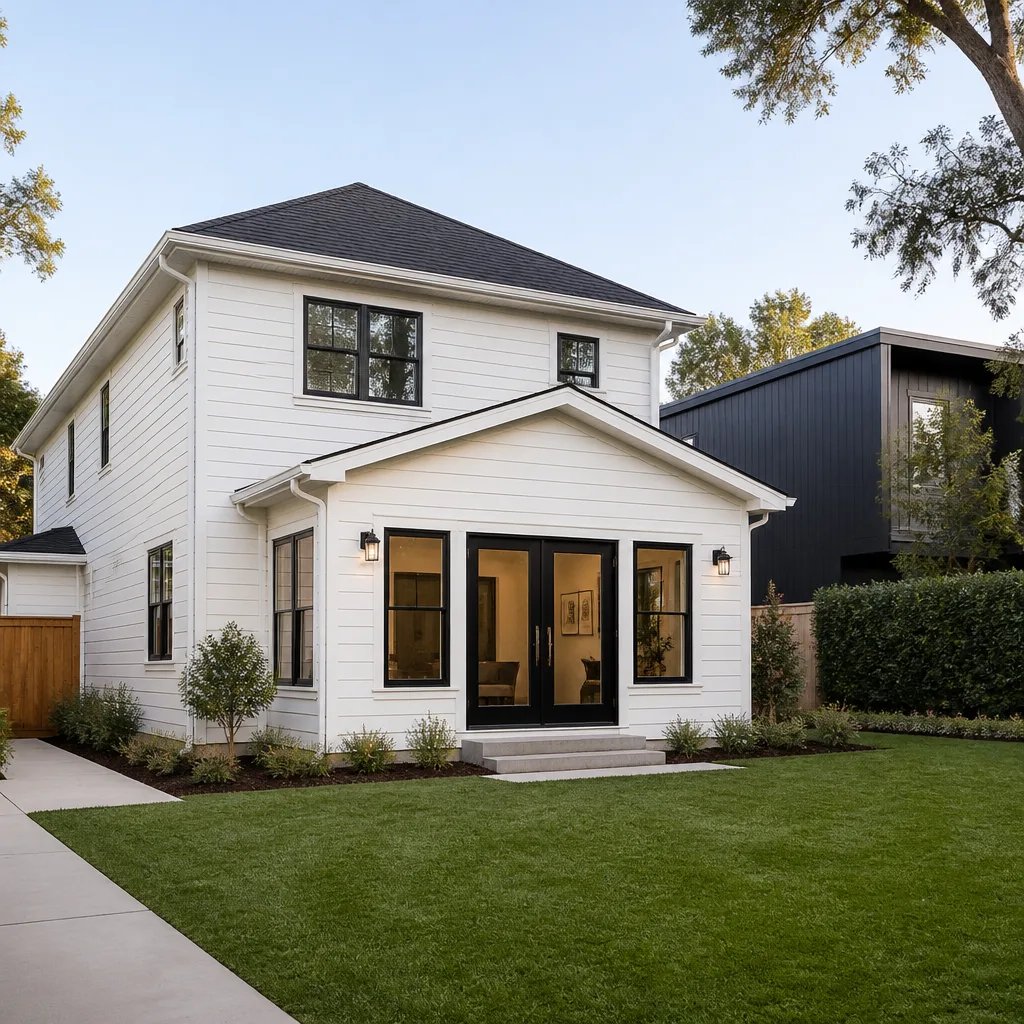
ADU Addition: $180,000 to $350,000
Detached ADUs in Tustin run higher than garage conversions because of foundation work, utility trenching, and full permitting. A typical 600 to 800 square foot one-bedroom ADU lands between $180,000 and $280,000. Add premium finishes, site challenges like sloped lots or difficult access, and the cost climbs toward $350,000. Garage conversions, by contrast, often come in under $180,000 when the existing slab and walls can be reused. Prefab ADU options through manufacturers like Abodu and Dvele can compress the site timeline significantly, though site work, foundation, and utility connections still run through Tustin’s permit process.
Roofing Replacement: $12,000 to $28,000
A standard composition shingle reroof on a 1,500 to 2,000 square foot Tustin single-story runs $12,000 to $18,000. Larger two-story homes or those with complex hips and valleys push toward $22,000 to $28,000. Material choice matters: a GAF architectural shingle system carries a different material cost than a basic three-tab, and upgraded underlayment and ventilation add more. If you live in a Tustin Legacy neighborhood with HOA aesthetic standards, expect to pay for the specific shingle color or profile the HOA approved. Roof deck repair, common in older ranches with original plywood, adds $2,000 to $6,000 once the old roof comes off.
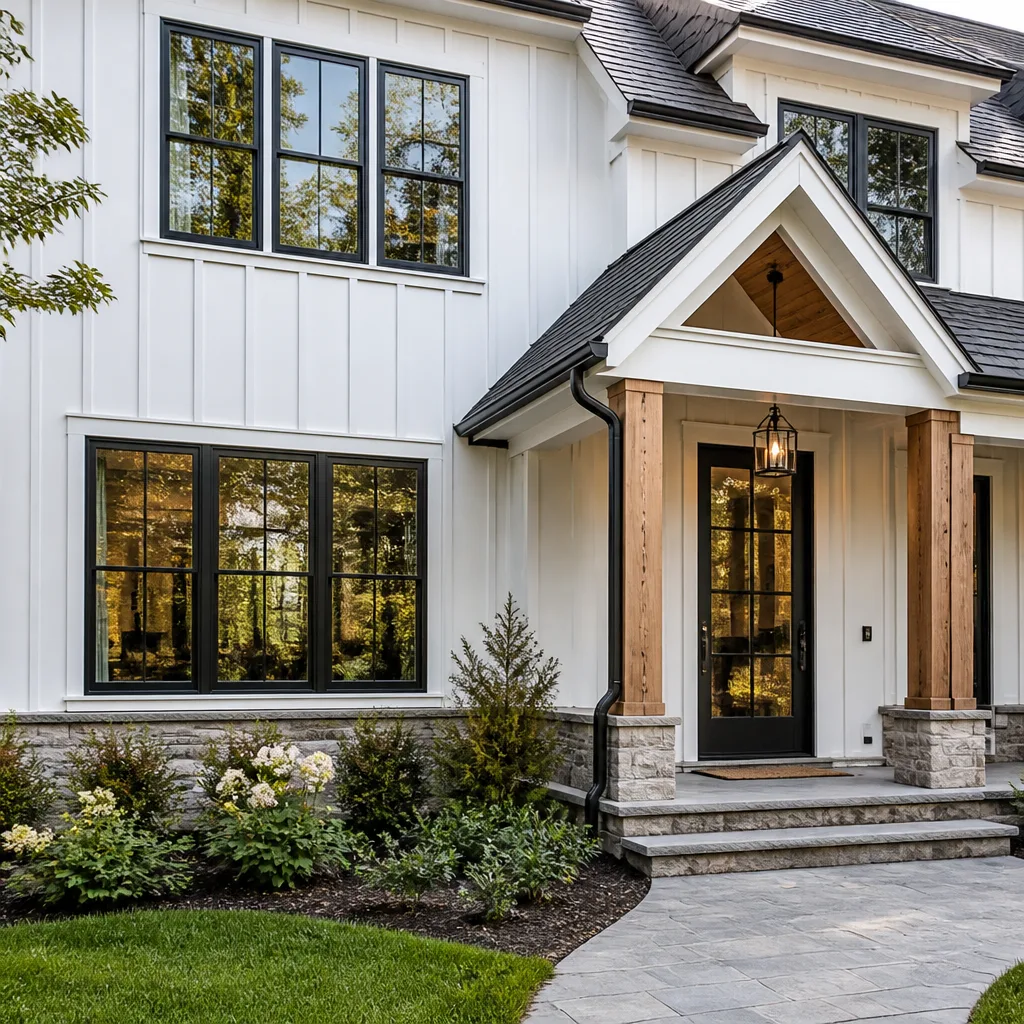
Window Package: $15,000 to $40,000
A full window replacement on a typical Tustin home, 10 to 15 openings, lands between $15,000 and $25,000 using vinyl or mid-grade fiberglass. Upgrading to premium lines from PGT or CGI, especially impact-rated products, pushes the package past $30,000. In Old Town Tustin, where design review may require specific window styles, expect to pay toward the higher end for period-appropriate products. Installation scope also varies: original 1950s wood-frame windows often have rotted rough openings that need repair before the new units go in, adding $500 to $1,500 per opening in problem areas.
Hardscape Build: $25,000 to $75,000
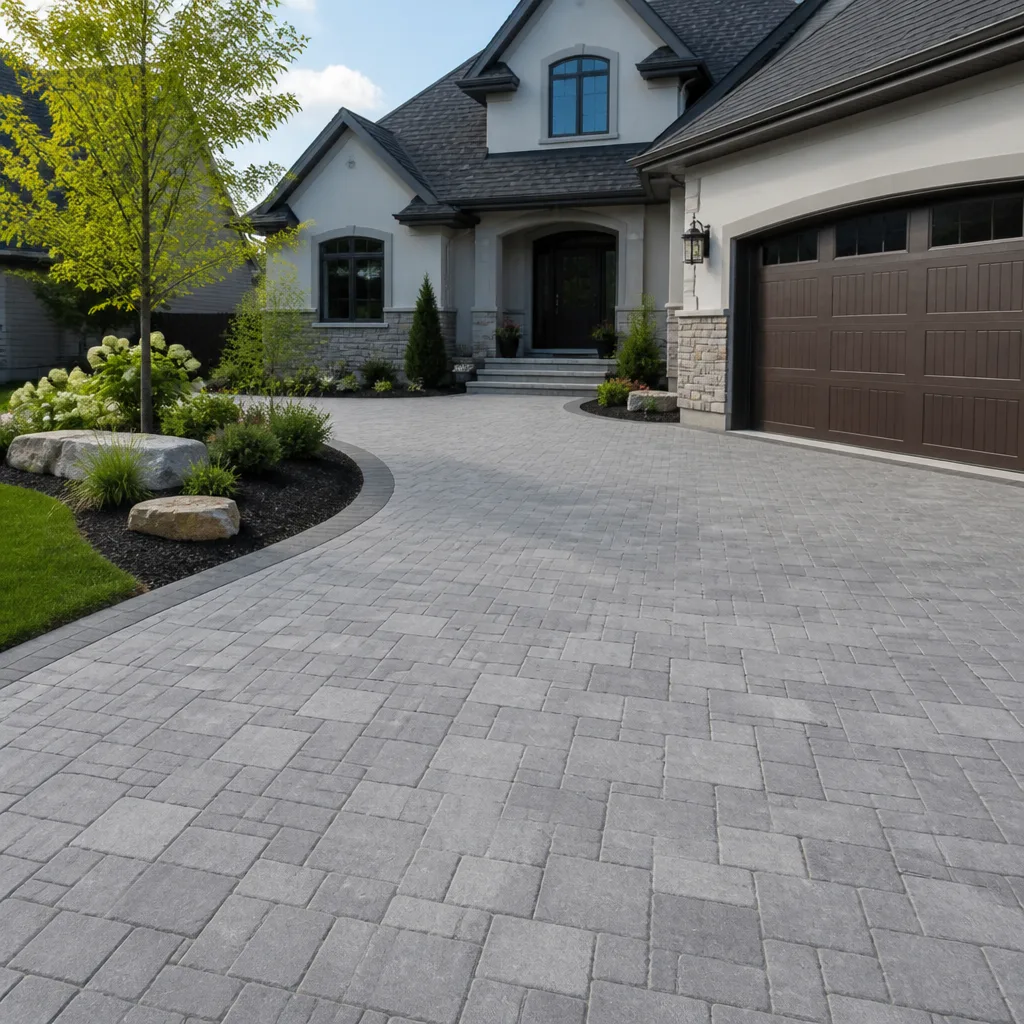
Hardscaping in Tustin includes paver patios, walkways, retaining walls, and sometimes driveway replacements. A standard paver patio and walkway package with Belgard or Unilock products runs $25,000 to $45,000. Add retaining walls, outdoor kitchens, or large driveway work and the scope climbs toward $75,000. Soil conditions in parts of Tustin, particularly the heavier clay soils found in some neighborhoods east of the 55, influence base preparation depth and can add to the excavation cost. Proper base compaction matters more here than most homeowners realize, and it’s one reason cheap hardscape bids often result in settling and cracking within three years.
Material Selection: Brand-Backed Decisions
We specify the product before we quote the price. That’s a core discipline at Ashbury Contractors home, and it sets a different tone for the entire project. When we quote a kitchen remodel, the quote names the countertop brand, the cabinet line, the faucet manufacturer, and the sink model. You’re not signing up for “quality countertops” as a vague promise. You’re signing up for Cambria or Caesarstone quartz, a Kohler or Grohe faucet, and a specific cabinet construction spec. The brand carries the performance standard, and the contractor’s job is to install it to that standard.
This matters in Tustin’s older homes because material performance isn’t theoretical. A Grohe fixture with ceramic disc cartridges will outlast a builder-grade faucet three times over, which matters when you’re already paying for plumbing access in a slab foundation home. A GAF roofing system with its full underlayment and ventilation spec will hold up better in Tustin’s summer heat than a basic shingle nailed to old felt. The same logic applies to Schluter waterproofing systems in bathrooms, where the difference between a properly waterproofed shower and one that just looks finished shows up in the first three years of use, either as a dry shower or a mold problem.
We’ve also built relationships with 50+ product brands across every category because material selection should be a conversation, not a default. A client who wants Cambria quartz should know why it outperforms entry-level quartz in stain resistance and warranty coverage. A client considering a Sterling bathroom fixture package should understand where it sits relative to Grohe and Toto in the durability hierarchy. This is the Home Renovation in Tustin process working as intended: you choose with full information, not from a generic allowance sheet that leaves everything to the last trip to a big-box store.
Built to the standard of the brand. That’s the principle. When we install a GAF roof, it’s installed to GAF’s spec so the manufacturer’s warranty is intact. When we install Cambria countertops, the fabrication and seam work follow Cambria’s template and installation guidelines. When the product manufacturer sets a standard and the contractor installs to it, you get the warranty and the decades of engineering behind the product. It’s not a promise we make. It’s a standard the manufacturer backs with a written warranty, and we simply refuse to cut corners that void it.
Common Mistakes to Avoid
- Skipping the pre-construction inspection on older homes. In Tustin’s 1950s and 1960s stock, skipping the structural and systems assessment means discovering aluminum wiring and asbestos texture mid-project. That discovery becomes a change order, and your $60,000 kitchen becomes $78,000 before you’ve chosen a backsplash.
- Hiring trade-by-trade without a general contractor. Five separate contractors on a Tustin ranch remodel means five different schedules, no central accountability, and a coordination burden that falls on you. When the roofer’s work delays the window crew, nobody owns the schedule.
- Under-budgeting for legacy material abatement. Asbestos ceiling texture and stucco remediation are not optional surprises. If your home was built before 1978 and you’re planning any demo, budget for testing and possible abatement before you finalize the project cost.
- Ignoring Old Town Tustin design review. Exterior changes in historic overlay areas require review beyond the building permit. Paint colors, window styles, and door selections can all be restricted. Check with the city before you order materials, not after they’re delivered.
- Choosing the cheapest hardscape bid. In Tustin’s clay-heavy soils, cutting corners on base preparation means settling pavers and cracks within a few years. The difference between a $25,000 patio and a $45,000 patio is often just proper excavation and compaction depth.
- Planning without checking HOA rules in Tustin Legacy. Columbus Square and Greenwood homeowners face HOA architectural review on top of city permits. Exterior colors, roofing materials, and even fence styles may be restricted by covenant. The city approval alone doesn’t clear you to start.
- Assuming permit timelines match Irvine or Santa Ana. Every Orange County city processes permits differently. Tustin sits in the middle of the regional range, but your project’s specific scope and submittal quality shift the timeline more than the city average suggests. Complete submittals cut weeks.
When to Call a Professional
Any project that touches structure, electrical, plumbing, or the building envelope is a professional scope. That includes kitchen and bath remodels where walls move or fixtures relocate, any roofing work beyond a simple patch, window and door replacements, hardscape builds with retaining walls, and all ADU construction. If your Tustin home was built before 1980, the professional call should happen before you start planning in earnest, because legacy material testing and structural assessment shape the entire scope. Ashbury Contractors offers free estimates in Tustin, call (833) 467-4091 to schedule a walkthrough. If you’re still in the planning phase and haven’t chosen a contractor, a pre-construction assessment will give you honest information about your home’s condition whether or not you ultimately hire us.
See the difference
 Before
 After
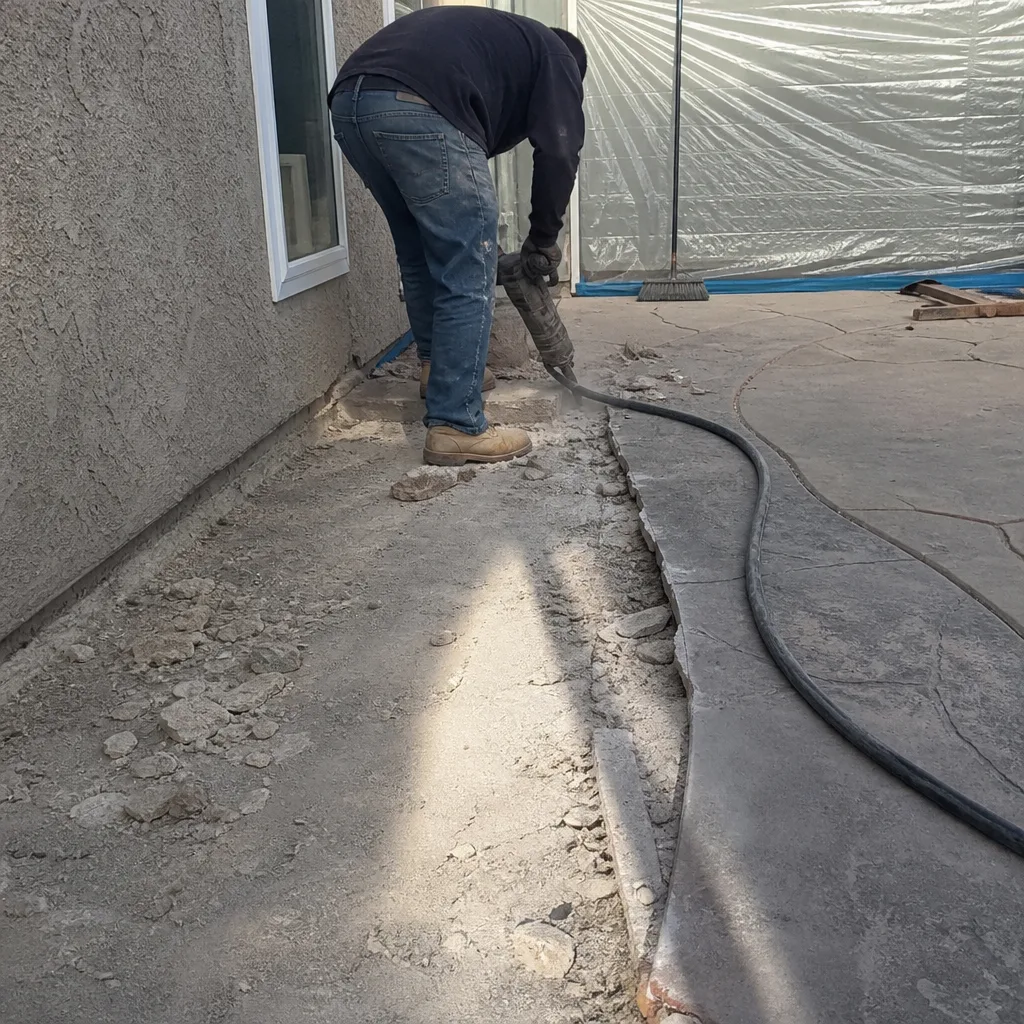 Before
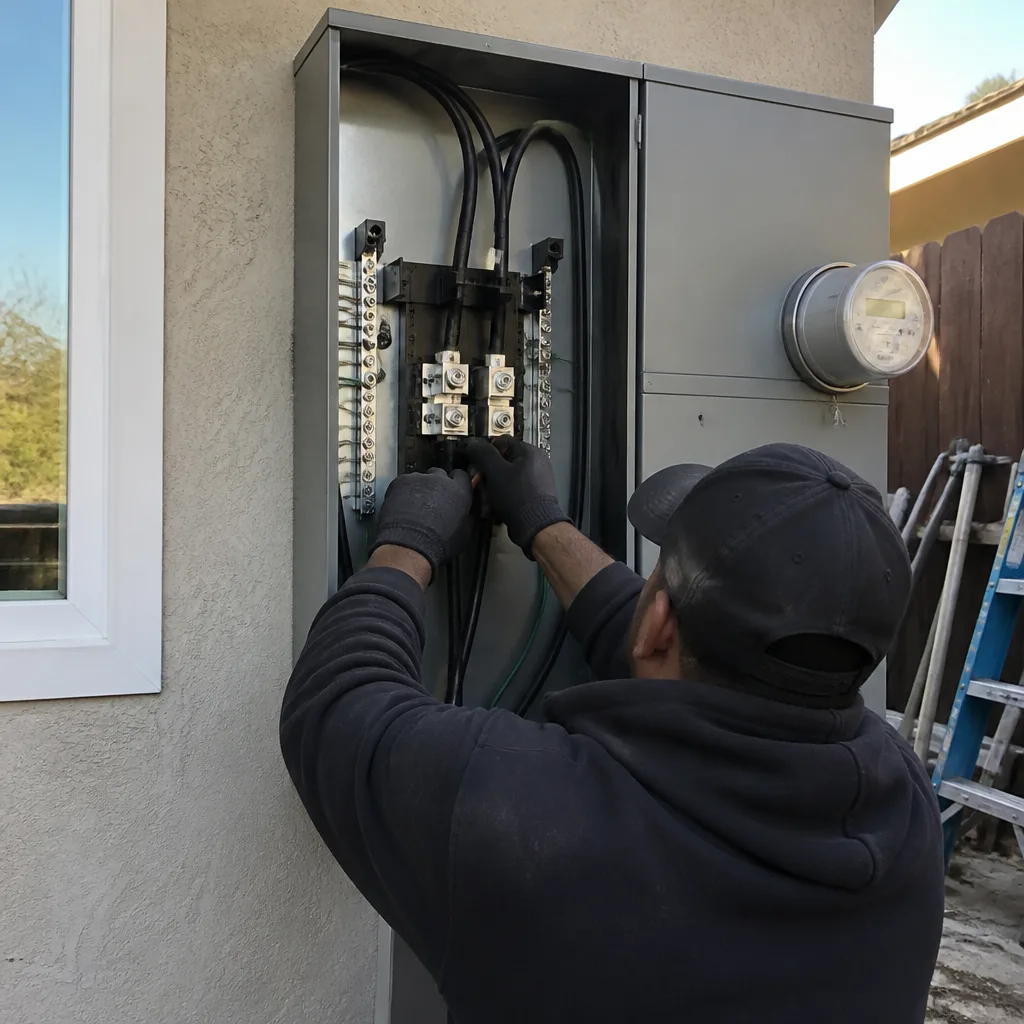 After
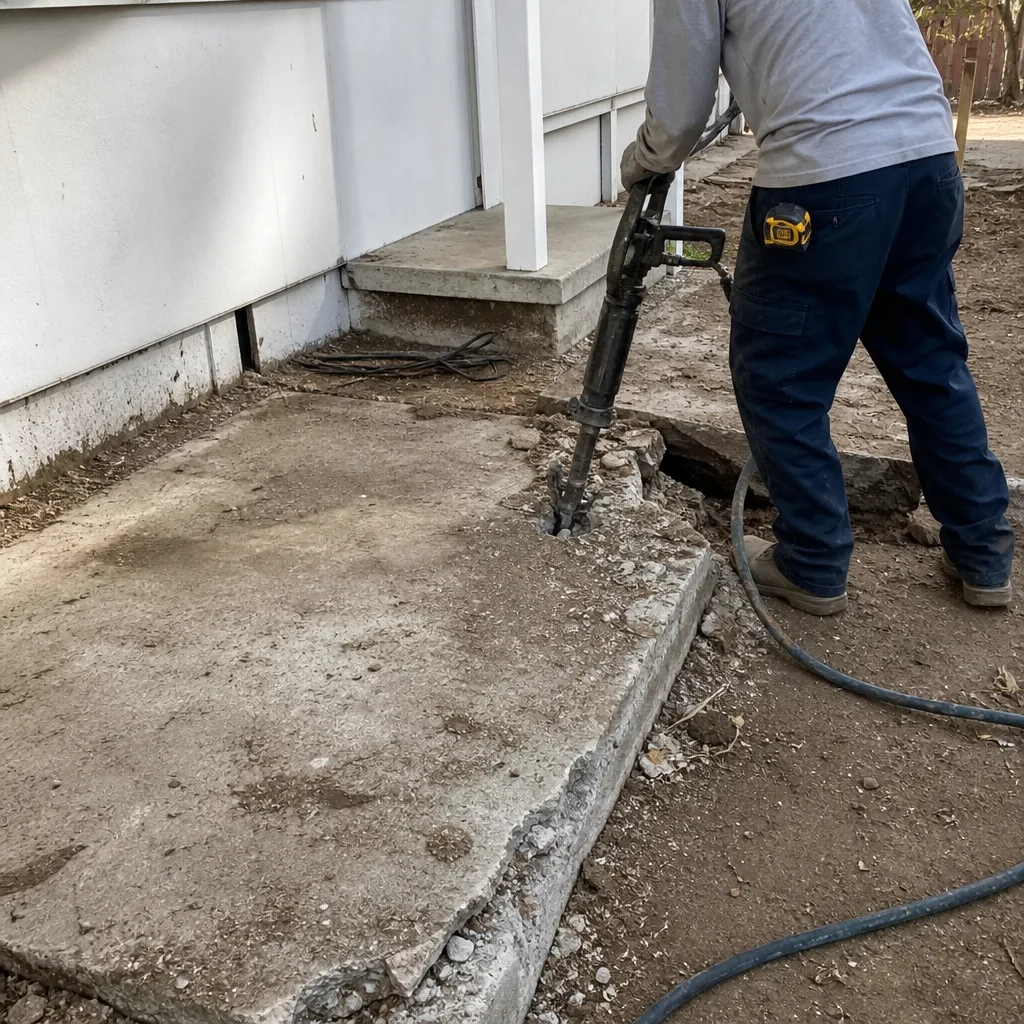 Before
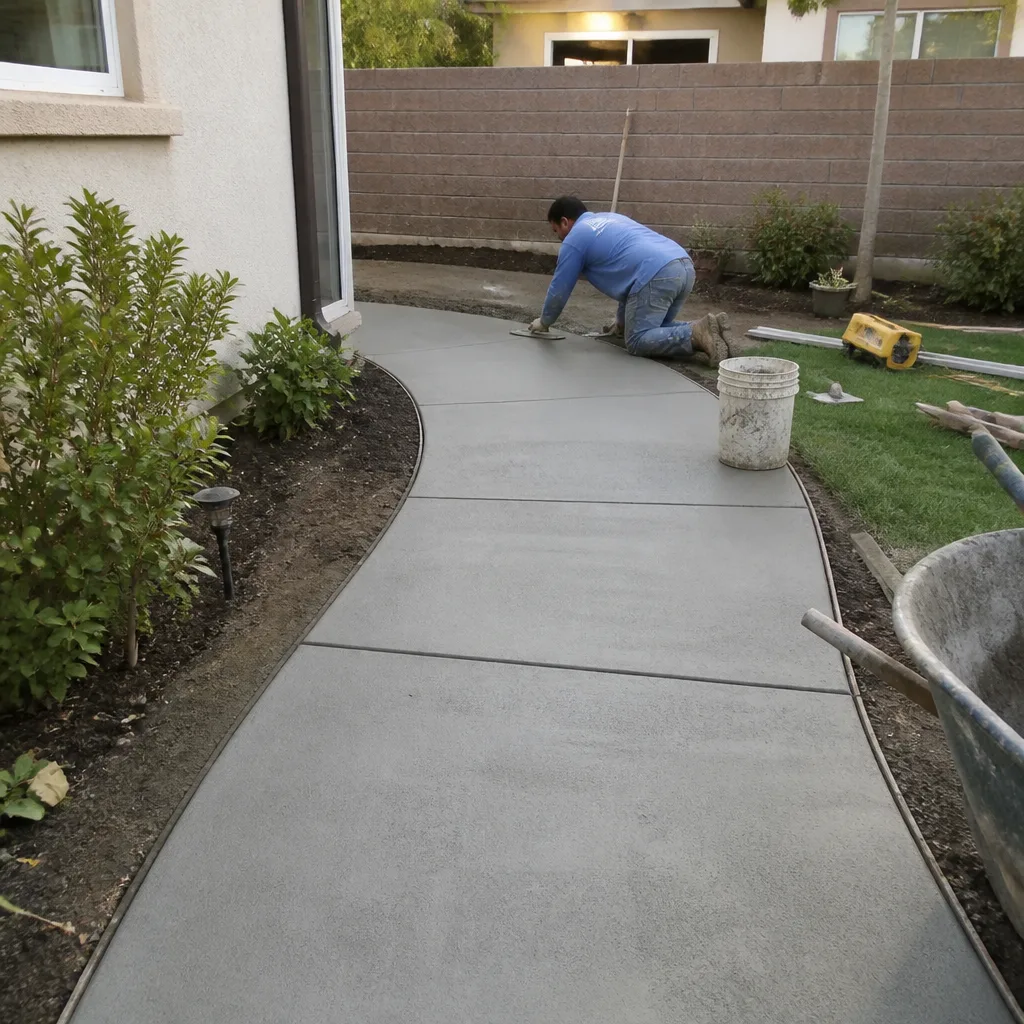 After
Frequently Asked Questions
A kitchen remodel in Tustin typically costs $45,000 to $90,000, depending on the age of the home, material selections, and whether electrical remediation or asbestos abatement is required. Older ranch homes in the 1950s and 1960s stock tend to land on the higher end because of legacy material work. Call (833) 467-4091 for a specific quote on your kitchen scope, estimates are free.
Standard building permits in Tustin take 4 to 8 weeks through plan check for additions and ADUs, while over-the-counter scopes like reroofs and window replacements process in days to two weeks. Complete submittals with structural calculations and Title 24 reports move through fastest. Incomplete applications trigger correction cycles that can double the timeline.
Yes, all ADU construction in Tustin requires building permits through the Community Development Department, and the state-mandated 60-day review clock applies to complete applications. Detached ADUs also require site plan review, utility connection approval, and in some cases, HOA architectural review if the property is in a Tustin Legacy neighborhood.
Tustin Legacy neighborhoods like Columbus Square are newer construction under HOA covenants, so exterior changes often require HOA approval before city permits. Old Town Tustin properties fall under historic overlay or design review, which restricts exterior changes like window styles and paint colors. Standard residential tracts between these areas operate under conventional R-1 zoning with fewer aesthetic restrictions.
Homes built before 1978 may contain asbestos in stucco or ceiling texture, and homes built between roughly 1965 and 1973 often have aluminum branch wiring. Testing requires a licensed asbestos inspector for materials and an electrician for wiring inspection. This is a standard part of our Home Renovation in Tustin pre-construction assessment on older properties.
A full-scope general contractor who completed a thorough pre-construction assessment should provide a fixed estimate that accounts for likely legacy material work, so the price shouldn’t change unless hidden conditions are discovered beyond what inspection revealed. Trade-by-trade coordination often produces more change orders because each contractor discovers issues independently. Ask your contractor what discovery process happens before the quote, not after the demo starts. Call (833) 467-4091 to talk through how we handle fixed pricing.
The Bottom Line
Construction in Tustin rewards preparation and punishes shortcuts. The city’s three housing eras, legacy materials, and zoning split mean two identical-looking houses on the same street can have completely different renovation scopes. The contractor who knows the difference before quoting saves you months and tens of thousands of dollars. One contractor, every trade, from the foundation to the fence line, built to the standard of the brand. That’s the operating principle. If you’re planning a project in Tustin, start with a pre-construction assessment, understand your home’s era and its material profile, and choose a contractor who specifies products before pricing. Call (833) 467-4091 to schedule your free estimate.
Written by the team at Ashbury Contractors, serving Tustin since 2014. Explore more guides & resources from our team.