
Last updated October 30, 2026
 Kitchen remodeling
 Bathroom remodeling
 Home additions & ADU
 Roofing
 Windows & doors
 Driveway & pavers
 Fence
Free written scope consultation - allowances, timeline, and change-order rules on paper before a single trade is scheduled
General Contractor Troubleshooting: Common Problems and How to Fix Them
The number-one reason Orange County renovation projects go over budget isn’t materials or labor. It’s a scope-of-work document that both parties read differently. One sentence says “replace vanity,” and the homeowner means the cabinetry, the top, the sink, the faucet, and the mirror. The contractor priced only the cabinet box. That gap, multiplied across thirty line items, is how a $65,000 remodel in Tustin becomes an $89,000 remodel, and nobody lied. What follows is a practical field guide to the failure points that actually derail residential construction projects, what your leverage is at each stage, and the specific fixes that work in California under CSLB rules. We’re writing this from Tustin, where we’ve worked on homes in neighborhoods like Tustin Meadows, Columbus Square, and the historic Old Town district, but the mechanics apply to any residential project in the state.
Quick Answer
Most problems with a general contractor trace back to one of five root causes: a vague scope of work, undocumented changes, mismanaged permit and inspection schedules, payment disbursements that don’t track completed work, or an unlicensed or underqualified party in the chain. The fix in nearly every case is the same first step: stop verbal communication as the official record and put everything in writing, including why you believe the project has gone off course and what you need to see to release the next payment.
Styles & brands we work with
Table of Contents
- Budget Overruns: Change Order vs. Estimating Error
- Scope Conflicts: When You and the GC Read the Contract Differently
- Subcontractor Problems: No-Shows, Shoddy Work, and Abandonment
- Permit and Inspection Failures in Orange County
- Payment Disputes and Lien Exposure
- How to Fire a General Contractor Without Losing Your House
- The CSLB Complaint Process: What It Actually Does
- When to Call a Construction Attorney
Budget Overruns: Change Order vs. Estimating Error
A legitimate change order has three characteristics. First, it’s caused by something you asked for that wasn’t in the original scope. Second, it’s priced before the work is done, not after. Third, it’s in writing and signed before the extra work begins. Everything else is the contractor’s problem to absorb.
Here’s the tell that separates the two in practice. If your general contractor in Tustin discovers rotted framing behind a shower wall and needs to replace it, that’s a legitimate change order: the condition existed before the project, it couldn’t be seen until demolition, and you should pay for the repair. But if the GC simply forgot to include the shower valve in the plumbing estimate, or undercounted the linear feet of crown molding, that’s an estimating error. In California, a contractor who holds a valid license is expected to know their trade numbers. A missed line item on a standard fixture is not a discovery.
To fix an overrun you believe is the contractor’s own estimating mistake:
- Request a line-by-line breakdown of the overrun against the original estimate.
- Ask which items were visible at the time of the original bid. If the answer is “all of them,” push back.
- Require any future change orders to be presented with material costs, labor hours, and a markup percentage disclosed upfront.
- Put your rejection or acceptance in writing. A verbal “that seems high” carries no weight later.
We’ve seen this pattern enough in Tustin remodels that we now specify the product before we quote the price. When a client chooses a Cambria quartz top and a Kohler fixture package, the number we provide includes those exact products. There’s no structural room for the “we thought you meant a generic quartz” conversation later, because the brand, model, and finish are written into the scope before anyone swings a hammer.
Scope Conflicts: When You and the GC Read the Contract Differently
Scope conflicts are the single most common dispute we see from homeowners who come to us mid-project, usually after their original contractor has walked off or been dismissed. The contract said “paint bedroom.” The painter painted the walls. The homeowner assumed ceilings, trim, doors, and closet interiors were included. The contract said “install tile in shower.” The tile setter tiled the walls. The homeowner assumed the shower pan, curb, and bench were part of the scope.
The fix starts with understanding that courts and the CSLB interpret contracts literally, not based on what a reasonable person might assume. If it’s not in writing, it’s not part of the contract. That’s the leverage point: before you argue about fairness, read the actual language of the scope section.
Here’s the paper trail that should exist before your project starts in Tustin, and which makes every dispute easier to resolve:
- A written scope of work that names specific materials by brand and model where possible.
- A line-item breakdown of costs, not a single lump sum.
- A payment schedule tied to milestones, not calendar dates.
- A written change order form that must be signed before extra work starts.
- A project schedule with start date, substantial completion date, and any known lead times for long-order items.
- The contractor’s CSLB license number, workers’ compensation policy documentation, and a named project manager.
If you’re mid-project and the conflict is already live, your first move is a documented walkthrough with the GC. Take photos. List every disputed item in a shared document. Get agreement in writing on what’s included and what’s not before any further work proceeds. This is where our single-contractor structure at Ashbury Contractors home matters: one contract, one scope document, one accountable party. When a homeowner is juggling three separate trade contractors, each with their own scope language, conflicts multiply because each party assumes the other guy’s document covers the gap.
Subcontractor Problems: No-Shows, Shoddy Work, and Abandonment
Subcontractor failures are often misdiagnosed as general contractor failures. The plumber doesn’t show. The drywall crew leaves seams visible. The electrician roughs in the wrong circuit. The homeowner calls the GC to complain, and here’s the key question: is the GC managing the sub, or simply passing along the sub’s phone number?
In California, the general contractor is legally responsible for the work of every subcontractor they hire. That means if the tile sub installs a shower pan incorrectly and it leaks through the ceiling of a Tustin home, the GC’s license and bond are on the hook. The GC cannot simply say “take it up with the tile guy.” That’s a fundamental truth of CSLB licensing, and it’s your primary leverage.
What to do when a sub fails:
- Document the failure with photos and a written description while the condition is visible.
- Notify the GC in writing, with a specific requested remedy and a deadline.
- Do not make a side payment to the sub to “fix it themselves.” That breaks the chain of responsibility.
- If the GC refuses to correct the work, withhold the next payment milestone until the correction is scheduled, in writing.
One nuance in Orange County worth knowing: subcontractor no-shows are often a symptom of the GC’s payment practices, not the sub’s irresponsibility. When a GC is slow to pay their own subs, the subs stop prioritizing that GC’s jobs. If you’re seeing a pattern of no-shows, ask your GC directly whether their subs are current on payments. A healthy GC will answer without defensiveness. We handle this in our practice by using established trade partners across every category, from roofing crews to cabinet installers, because our model depends on them showing up when we schedule them.
Permit and Inspection Failures in Orange County
Orange County cities including Tustin enforce building codes through their local building departments, and the permit process is not optional for structural, electrical, plumbing, or mechanical work. A contractor who suggests skipping permits to save time or money is not doing you a favor. Unpermitted work becomes a disclosure problem when you sell the house, a coverage problem if your insurance company investigates a claim, and a safety problem if the work was done incorrectly and hidden behind drywall.
The failure patterns we see most often:
- The GC starts work before the permit is issued, then the inspector requires exposed work to be undone for inspection.
- The GC schedules inspections late or misses them entirely, causing delays that get billed back to the homeowner as “project management.”
- The homeowner pays for work in full, then discovers no final inspection was ever called, leaving the permit open indefinitely.
The fix is straightforward. Before signing a contract with any General Contractor in Tustin, confirm that the contract specifies who pulls permits, who schedules inspections, and who is responsible for correction work if an inspection fails. Then track the permit number online through the city of Tustin’s building portal. Most Orange County cities publish inspection status publicly. You should be able to see every scheduled and completed inspection without relying on the contractor’s word.
For exterior envelope work, we bring specific product lines that simplify inspection compliance. When we install a GAF roofing system or PGT impact-rated windows, the product approvals are documented and accepted by Orange County building departments. That reduces the back-and-forth that happens when an inspector asks for product approval documentation that a contractor can’t produce.
Payment Disputes and Lien Exposure
California lien law is unforgiving to homeowners who don’t manage disbursements properly. The mechanics lien system allows subcontractors, material suppliers, and laborers who never received payment from the GC to place a lien on your property, even if you paid the GC in full. This is the most dangerous trap in residential construction, and most homeowners don’t learn about it until a sub files a lien on a Tustin home six months after the project closed.
Here’s how to protect yourself before and during the project:
- At the start of the project, serve a Preliminary Notice response request to every sub and supplier the GC identifies. In California, subs must serve you a Preliminary Notice within 20 days of starting work to preserve lien rights. Keep every one you receive.
- Before each payment to the GC, request conditional lien releases from every sub and supplier who has worked on the project to that point.
- After each payment, request unconditional lien releases covering that payment amount.
- Never pay for work that hasn’t been completed and inspected.
- Never pay cash. Never pay a large upfront deposit. California law caps the down payment for home improvement contracts at the lesser of $1,000 or 10% of the contract price.
What if you’ve fired the GC and a sub files a lien? This is a specific and frightening scenario, but the resolution is formulaic. The sub’s lien is only valid if they properly served a Preliminary Notice, if the work was actually performed, and if the lien was recorded within 90 days of their last work on the project. If you have your payment records showing you paid the GC for that work, your defense is solid. You may still need to negotiate with the sub or bond around the lien to clear title, but documentation is what separates a $400 resolution from a $14,000 one.
How to Fire a General Contractor Without Losing Your House
Firing a GC is a legal act, not an emotional one. The California Home Improvement Contract governs the relationship, and terminating it unilaterally opens you to a breach claim unless you can document cause. The safest path:
- Send a written notice of default describing the specific failures, contract sections violated, and a reasonable cure period, typically 10-15 days.
- If the GC fails to cure, send a written notice of termination. State that the contract is terminated for cause.
- Document the job site condition with photos and video on the day of termination.
- Secure the property. Change locks if the GC had keys. Post no-trespassing notices if there’s any concern about the crew returning to collect tools or materials.
- Compile a complete accounting of payments made, work completed, work incomplete, and the value of any materials on site.
Do not have a heated confrontational conversation as your method of termination. Do not change the locks and then call to inform them. The paper sequence above protects you. We see this situation in Tustin most often when a homeowner has hired a contractor from outside the area who underbid the job, then tried to make up margin through change orders. The project stalls, the homeowner stops payment, the contractor walks off, and the homeowner is left with a half-finished kitchen and a legal mess. When a project is structured correctly from the beginning, with a single accountable contractor and a development-grade scope document, termination becomes rare.
The CSLB Complaint Process: What It Actually Does
California’s Contractors State License Board exists to enforce licensing law, not to be your personal project mediator. That distinction matters because homeowners often spend months on a CSLB complaint only to discover the Board can’t compel the contractor to return their money.
What the CSLB complaint process can do:
- Investigate unlicensed contracting activity and refer cases for prosecution.
- Discipline licensed contractors who violate contracting law, including suspension or revocation of license.
- Order a contractor to correct substandard work or pay damages, but only if the contractor is still licensed and responsive.
- Provide a documented record that strengthens any civil action you file.
What the CSLB complaint process cannot do quickly:
- Force a contractor who has shut down, renamed their company, or let their license lapse to pay you anything.
- Resolve contract interpretation disputes between two reasonable parties.
- Provide legal advice or represent you in court.
The faster alternatives homeowners skip: a direct demand letter from a construction attorney, a claim against the contractor’s license bond, and if applicable, a claim against the contractor’s general liability insurance. The bond claim is especially underused. Every licensed California contractor must maintain a $25,000 license bond (or higher for some classifications). If you have a documented, valid claim, you can file against that bond, and the bond company is often more responsive than the contractor because they’re on the financial hook.
This is also where the value of working with a full-scope contractor like Home Remodeling in Tustin becomes clear. The risks you’re reading about here are multiplied across every trade when you’re managing multiple contractors. With a single licensed GC, there’s one license to check, one bond to claim against, and one accountable party under the CSLB’s authority.
When to Call a Construction Attorney
Most disputes don’t require an attorney. A direct conversation, a written summary of the disagreement, and a reasonable compromise resolve the majority of project conflicts. But there are triggers where waiting costs you more than a lawyer’s hourly rate.
Call a construction attorney when:
- A lien has been filed on your property by a sub or supplier.
- The contractor has abandoned the job and is unresponsive for more than 10 days.
- You discover the contractor has no license, a suspended license, or is operating under a different name than the contract.
- The work performed is so defective that remediation requires tearing out and redoing a substantial portion of the project.
- The contractor is threatening legal action over your refusal to pay for disputed work.
The threshold in dollar terms depends on your situation, but as a practical rule, if the disputed amount or exposure exceeds $15,000, a few hours of attorney time is cheap insurance. If you’re in Tustin or anywhere in Orange County, look for a lawyer who practices specifically in construction defect and mechanics lien work, not a general business litigator. The specialized knowledge of CSLB processes and lien deadlines changes outcomes.
Common Mistakes to Avoid
- Signing a contract with a single lump-sum price and no breakout. You’ll never be able to evaluate whether a change order is reasonable because you don’t know what the original scope cost. Every trade should be line-itemed.
- Paying for materials directly to the contractor without receiving them. We’ve seen Tustin homeowners pay $20,000 for “materials” upfront, then wait six weeks while the contractor uses that float to finish other jobs. Materials should be ordered on documented schedules with receipts.
- Allowing verbal change orders. “Sure, go ahead and upgrade that to the CGI impact-rated window” is a conversation, not a change order. Until it’s in writing with a price, it didn’t happen. Then when the invoice arrives, you’re unpleasantly surprised.
- Not walking the job weekly. Homeowners who visit their project every week catch issues at the rough-in stage, when correction costs $200 instead of $2,000. If you can’t visit, require weekly photo documentation.
- Withholding the final payment over minor punch-list items. That’s a fast way to end up in small claims or with a lien. Instead, agree on a punch list in writing and hold back a reasonable amount tied to completion of specific items.
- Hiring based on price alone. The lowest bid is often an underbid, and you’ll pay for it in change orders, material substitutions, or abandonment. If one bid is 30% below the others, the estimator missed something.
- Not checking the CSLB license before signing. A business card and a website don’t make a contractor. Verify the license number is active and matches the company name on your contract.
See the difference
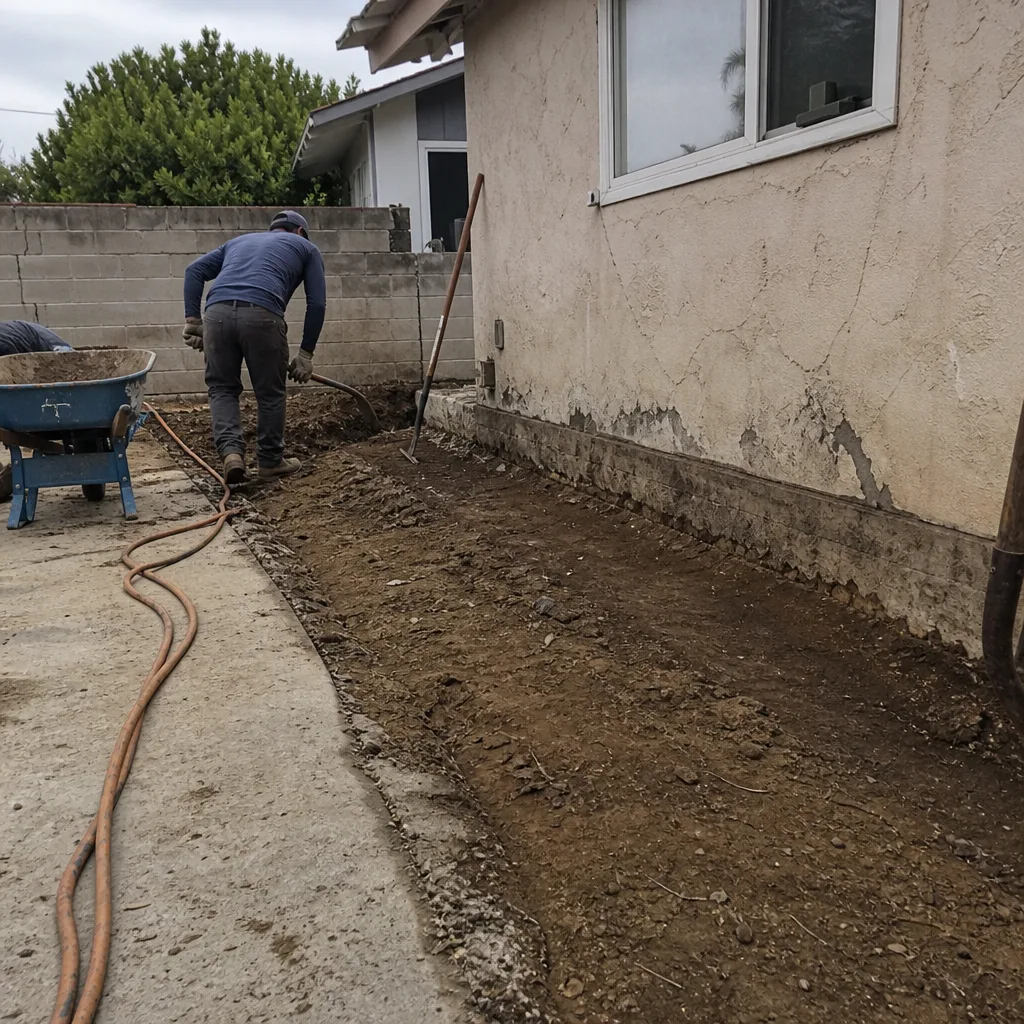 Before
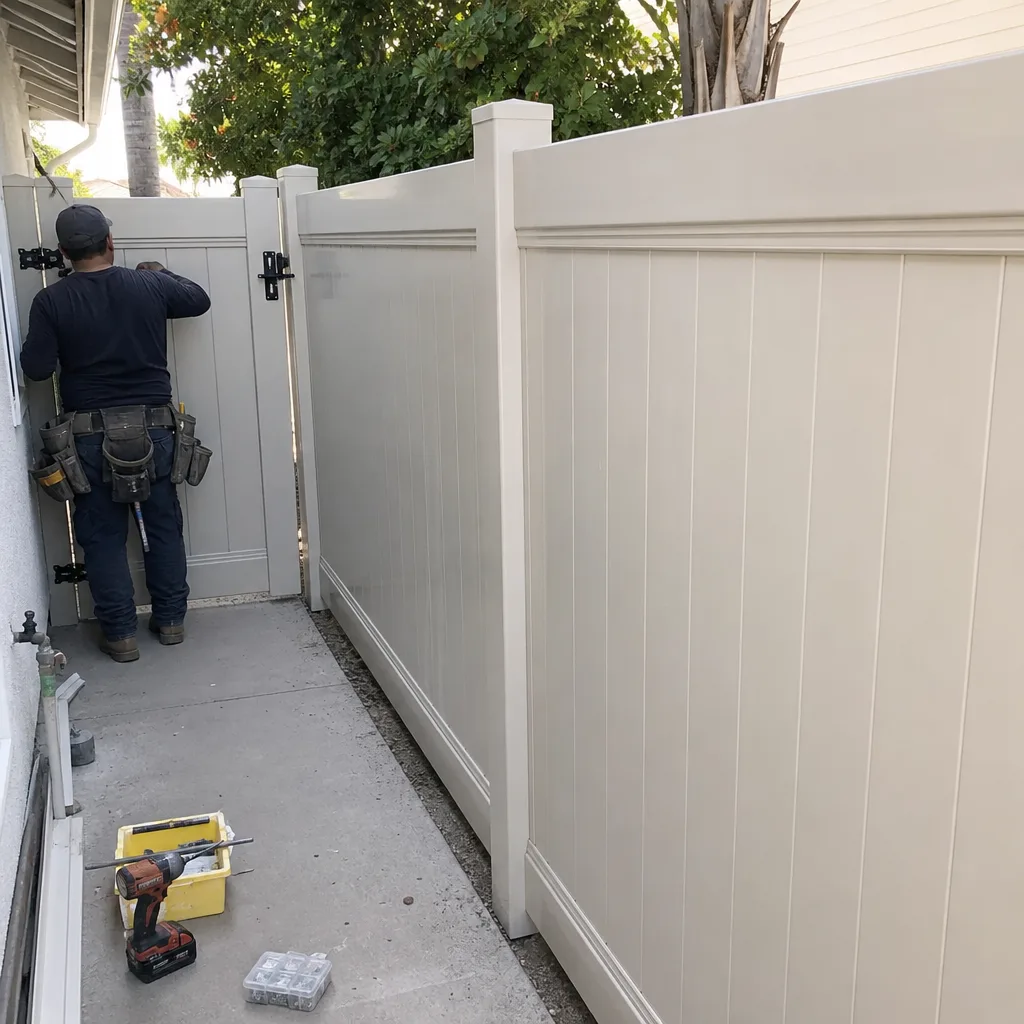 After
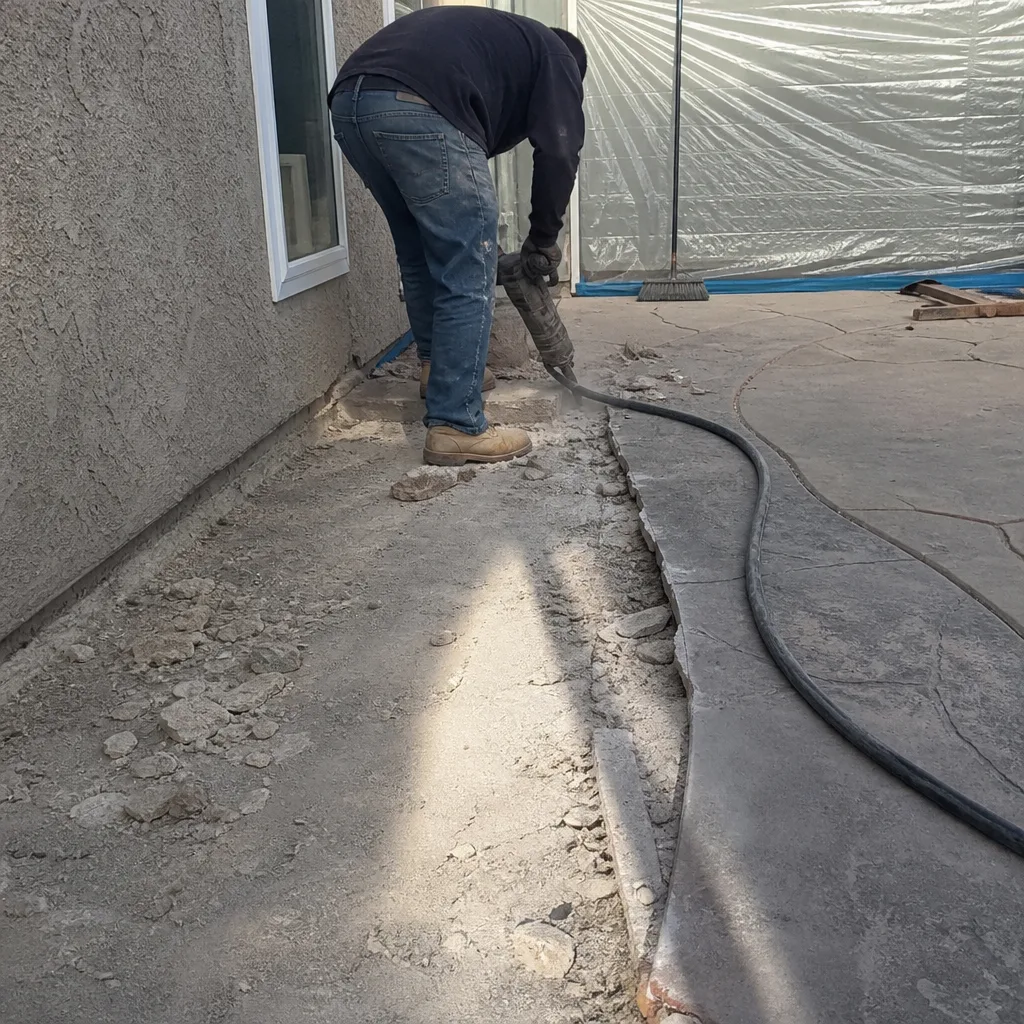 Before
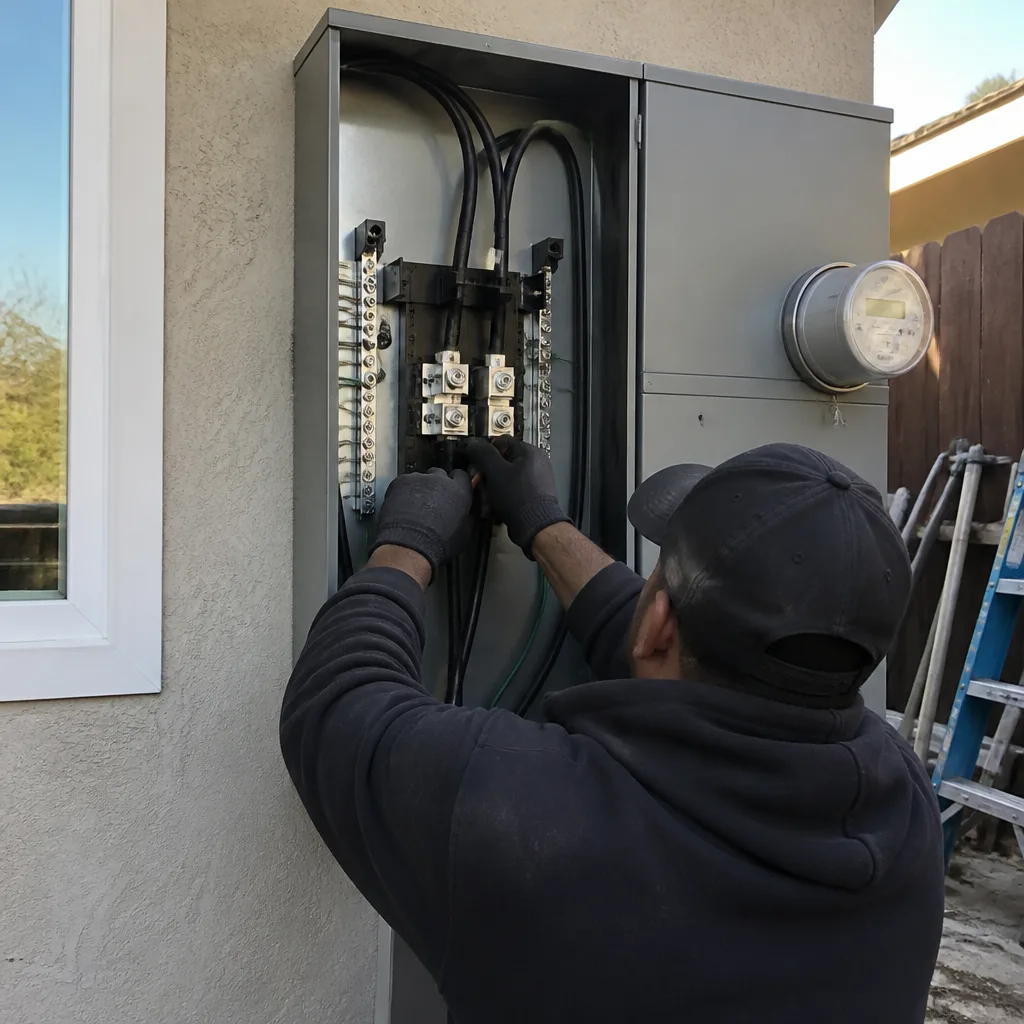 After
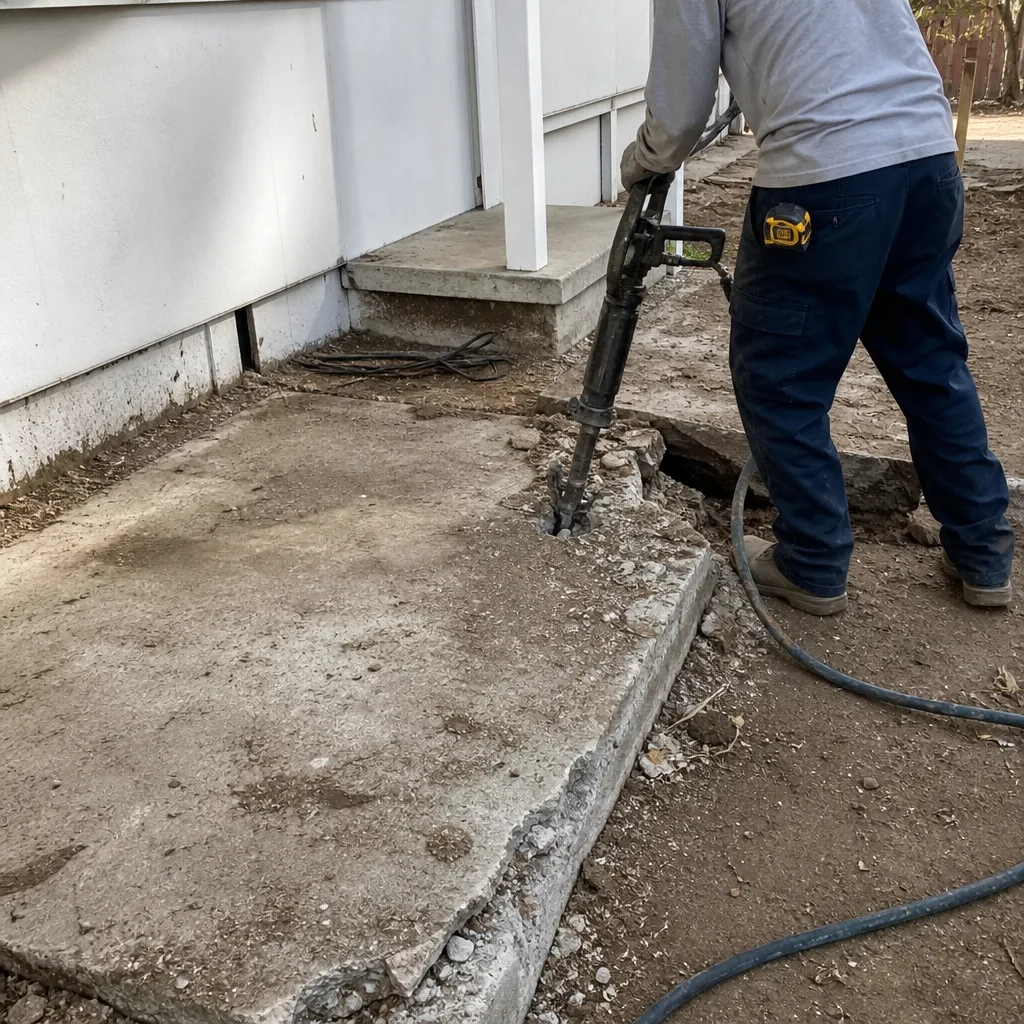 Before
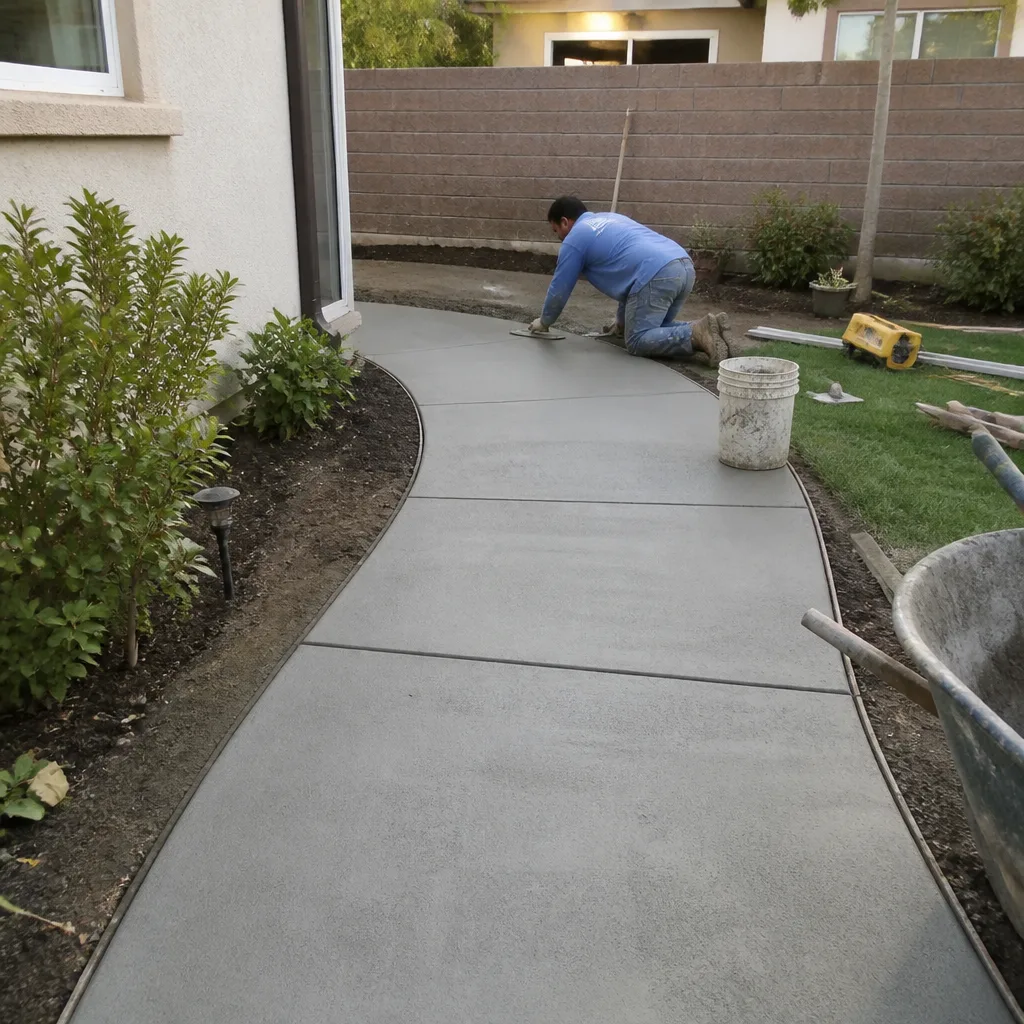 After
When to Call a Professional
Some problems are worth trying to fix on your own: a missed punch-list item, a miscommunication about a finish, a scheduling delay. Those are conversations. But when you’re facing a pattern of nonperformance, unpermitted structural work, unexplained budget overruns exceeding 15% of the contract, or any lien activity, you need professional help, not another email. If you’re in Tustin and considering a new project after a bad experience with another contractor, Ashbury Contractors offers free estimates. Call (833) 467-4091 to schedule a walkthrough. We’ll review your existing plans, existing conditions, and give you a written scope that names specific products, not vague allowances.
Frequently Asked Questions
Request a written change order that explains why the extra money is needed, what it covers, and how it relates to the original contract scope. If the cost is due to a condition that was hidden before demolition, that’s legitimately yours to pay. If it’s due to an estimating gap on visible work, push back in writing. Do not pay any additional money without a signed change order documented in writing.
Yes. A California subcontractor or material supplier who was not paid by the GC can record a mechanics lien against your property even if you made your payments in full. This is why conditional and unconditional lien releases are critical at every payment stage. If a lien is filed, your payment records and the preliminary notices you collected become your defense.
Look up the license number on the CSLB website at cslb.ca.gov. The record shows whether the license is active, the classifications held, any disciplinary actions, and the bond status. Check that the name on the license matches the name on your contract. Tustin homeowners should also verify that the contractor has an active City of Tustin business license if the project requires one locally.
California law caps the down payment for a home improvement contract at the lesser of $1,000 or 10% of the total contract price. Any request for more than that upfront is a red flag and a violation of state law. This applies whether you’re doing a full Home Renovation in Tustin or a single bathroom remodel.
Residential permit review timelines in Tustin vary by scope. Simple over-the-counter permits for water heater replacements may be issued the same day or within a few days. Plan reviews for additions, ADUs, or structural modifications typically take several weeks to a few months depending on review backlog and whether corrections are required. A legitimate contractor includes this timeline in the project schedule before you sign.
Unpermitted work gives your insurance company grounds to deny a claim, creates a disclosure obligation when you sell the property, and may need to be undone and redone if a building official discovers it. You are legally responsible for the condition of your property, and the city can require you to bring the work into compliance even if the contractor did the work without permits and disappeared.
The Bottom Line
Most renovation failures are not acts of malice. They’re the accumulation of undocumented assumptions, paused accountability, and verbal agreements that evaporate under pressure. The homeowner remedies are simple in concept and require discipline in practice: hold the scope in writing, track every change against that scope, disburse payments only against completed milestones, collect lien releases at every turn, and verify licenses before you sign. When one contractor owns the entire project, from the foundation to the fence line, the failure points shrink dramatically, because there’s one contract, one bond, and one phone number when something goes sideways. If you’re planning work in Tustin, start with a conversation and a written scope.
Written by the team at Ashbury Contractors, serving Tustin since 2014.
Ready to talk about your project? Call (833) 467-4091 for a free estimate, or explore our work at Ashbury Contractors home.