
Last updated October 30, 2026
 Home additions & ADU
 Kitchen remodeling
 Bathroom remodeling
 Roofing
 Windows & doors
 Driveway & pavers
 Fence
Free written scope consultation - allowances, timeline, and change-order rules on paper before a single trade is scheduled
General Contractor Maintenance Checklist for Tustin Homeowners
Most home maintenance checklists floating around the internet were written for someone else’s climate. A checklist built for Minneapolis freeze-thaw cycles or Miami hurricane season is close to useless in Tustin, where the real threats are ultraviolet radiation breaking down exterior caulking, Santa Ana winds tearing at rooflines, and subterranean termites finding their way through the hairline cracks in slab-on-grade foundations. This guide is different. It is built specifically for Tustin’s coastal-inland transitional climate, our local pest pressures, and the construction methods used in the majority of Orange County homes built after 1975. You’ll learn which tasks belong on a seasonal schedule, which ones require a licensed contractor under California law, and how to catch small failures before they become five-figure repairs. For General Contractor Troubleshooting: Common Problems and How to Fix Them, see our dedicated guide.
Styles & brands we work with
Quick Answer
A Tustin home maintenance checklist should be organized around four seasonal events: the Santa Ana wind season from September through February, the marine layer months of May and June, the brief winter rain window from December through March, and the year-round UV exposure that degrades exterior caulking and paint faster than almost anywhere else in the country. The highest-priority tasks are roof inspection after Santa Ana events, gutter cleaning before winter rains, exterior caulk inspection every 18 to 24 months, termite inspection annually, and post-tension slab monitoring for early warning signs. Most homeowners can handle the visual inspections, but anything involving roofing, electrical, gas lines, or foundation work legally requires a licensed California contractor.
Table of Contents
- The Tustin Month-by-Month Maintenance Calendar
- Santa Ana Season: Roof and Exterior Envelope Priorities
- Marine Layer Months: Moisture Management Without Rain
- Post-Tension Slab Foundations: What to Watch and When
- UV-Driven Caulking and Stucco Degradation in Tustin
- What You Can Do Yourself vs. What Requires a Licensed Contractor
- Managing Maintenance Under One Contractor Relationship
- Common Mistakes to Avoid
- When to Call a Professional
- Frequently Asked Questions
- The Bottom Line
The Tustin Month-by-Month Maintenance Calendar
Tustin sits in a unique microclimate. We’re close enough to the coast to get morning marine layer, far enough inland that afternoon temperatures regularly climb into the high 80s and 90s from June through October, and directly in the path of Santa Ana winds that can hit 60 to 70 miles per hour in the foothill neighborhoods like Tustin Ranch and Lemon Heights. That combination means maintenance timing matters more than most homeowners realize. Here is the calendar we recommend to clients across Tustin, from the historic homes near Old Town to the newer construction in Columbus Square and Tustin Legacy.
January – February: The Rain Window
- Inspect roof flashing around chimneys, vents, and skylights after any heavy rain. Water intrusion in Tustin homes most often starts at flashing transitions, not shingle failure.
- Check gutters and downspouts during a rainstorm. If water is overflowing anywhere, you have a blockage or a slope problem. Standing water in gutters breeds mosquitoes and accelerates fascia board rot.
- Walk the perimeter of your foundation and look for water pooling against the slab. Tustin’s clay-heavy soils expand when wet, and standing water against a foundation is the single fastest way to create differential movement in a post-tension slab.
- Test every window for fogging between panes. The temperature swings during winter months are when failed insulated glass units show themselves.
March – April: Post-Rain Assessment and Pre-Summer Prep
- Inspect exterior caulking around windows, doors, and trim. The wet winter followed by warming spring temperatures is when caulk failures become visible. Look for hairline cracks, shrinkage gaps, and areas where caulk has pulled away from the stucco.
- Schedule your termite inspection. Tustin’s subterranean termite activity peaks as soil temperatures rise in late spring, and an annual inspection is the cheapest insurance you’ll ever buy on a Southern California home.
- Check exterior paint on the south and west-facing walls. These elevations get the most UV exposure in Tustin and typically show fading, chalking, or peeling two to three years before the north and east sides do.
- Test your irrigation system before summer heat arrives. Leaking valves and broken sprinkler heads against the foundation are one of the most overlooked sources of slab moisture in Tustin.
May – June: Marine Layer Months
May and June in Tustin are defined by the marine layer that burns off by late morning. That daily cycle of morning moisture followed by afternoon sun creates a condensation pattern that most checklist writers completely ignore. The real concern during these months is not rain. It’s trapped moisture in wall cavities and attics where ventilation is inadequate.
- Inspect attic ventilation. Walk the attic in the early morning and look for condensation on the underside of the roof sheathing. If you see moisture, your ventilation is underperforming, which shortens the life of your roofing material and creates conditions where mold can gain a foothold.
- Check bathroom exhaust fans. Run each fan and verify it actually moves air. A fan that makes noise but does not vent properly is dumping moisture into the attic, and during marine layer months that moisture has nowhere to go.
- Look at the interior walls around windows for any discoloration, peeling paint, or soft drywall. These are early signs of condensation-driven moisture damage that is much easier to fix in June than it is in December.
September – October: Santa Ana Season Begins
In our experience serving homeowners across Tustin, Santa Ana winds are responsible for more roofing damage than all other weather events combined. The winds typically arrive from the northeast, which means the northeast and east-facing roof planes take the brunt of the uplift pressure. The problem is not just what you can see from the ground. Wind-driven damage often starts at the edges and works inward, and by the time shingles are visibly lifted, the underlying underlayment may already be compromised.
- Walk the roof or have it walked after the first major Santa Ana event of the season. Look for lifted, cracked, or missing shingles and tiles at the rake edges and ridge lines first. Those are the failure points on Tustin homes.
- Check roof penetrations. Pipe jacks, vents, and chimney flashing are all vulnerable to wind-driven debris. A small crack in a pipe boot can leak for months before the water reaches your ceiling.
- Inspect fence posts and gates. Fencing in Tustin takes serious lateral pressure during Santa Ana events. Check posts for lean and gates for sag. Loose posts set in concrete should be addressed before the next wind event, not after.
- Look at your trees. Overhanging branches are the most common source of roof and window damage during wind events. Eucalyptus and pepper trees in the older Tustin neighborhoods both shed branches under stress.
- Check window screens and exterior-mounted equipment. Screens, AC condenser covers, and anything else attached to the exterior should be secure before the winds pick up.
Santa Ana Season: Roof and Exterior Envelope Priorities
Santa Ana winds are not a single-season concern in Tustin. They can arrive any time from September through February, and the most severe events often come in December and January when homeowners are paying the least attention to their rooflines. The National Weather Service has documented Santa Ana wind gusts exceeding 70 miles per hour in the foothill communities of Orange County, and homes in the Tustin foothills near Peters Canyon and Lemon Heights experience the most significant uplift pressures. A GAF roofing system installed to manufacturer specifications should handle normal Santa Ana conditions, but no roof is immune to wind-driven debris or the cumulative effect of years of uplift cycling.
The most overlooked Santa Ana risk on Tustin homes is not the roof itself. It is the exterior envelope: the windows, doors, siding, and trim that experience direct wind pressure. Therma-Tru doors and PGT windows are engineered for high-wind zones, but even the best products fail if the flashing and sealing around them was never done correctly. After any significant wind event, we recommend a visual inspection of every exterior opening. Look for gaps around window frames, doors that have become harder to latch, and any sign that the exterior cladding has shifted. These are early warning signs of more significant problems.
What to Check After Every Major Santa Ana Event
- Ridge shingles and ridge tiles for lifting or displacement
- Flashing at all roof penetrations and transitions
- Eaves and fascia boards for signs of movement or water staining
- Exterior caulking around every window and door opening
- Fence sections for leaning posts and loose pickets
- Garage door operation, as wind pressure can knock tracks out of alignment
Post-Tension Slab Foundations: What to Watch and When
The majority of Tustin homes built after 1975 sit on post-tension slab foundations. This construction method uses steel cables tensioned inside the concrete to keep the slab in compression, which makes it more resistant to the soil movement that plagues Southern California homes. But post-tension slabs are not maintenance-free, and the signs of trouble are different from what you would watch for on a raised foundation. We have inspected enough Tustin homes to know that most foundation problems start small and get ignored for years before they become visible inside the house.
The Early Warning Signs on a Post-Tension Slab in Tustin
- Drywall cracks that reappear after repair. Hairline cracks at door corners and window corners are normal in any home, but if you patch a crack and it returns within a season, the slab may be moving. This is worth a professional assessment.
- Doors that stick or fail to latch seasonally. In Tustin, slab movement is often tied to soil moisture changes between the dry season and the brief winter rains. A door that binds in January but closes fine in August is a sign the slab is responding to moisture.
- Tile cracks that run in a straight line across multiple tiles. A single cracked tile is usually an installation problem. A line of cracked tiles running through a doorway and continuing into the next room suggests slab movement.
- Gaps between the baseboard and the floor. When a post-tension slab moves, the interior walls do not always move with it. A visible gap at the bottom of a baseboard is a measurement point, not a problem on its own. If the gap grows over time, you need an evaluation.
- Exterior cracks in the exposed slab edge. Walk the perimeter of the home and look at the visible foundation edge above the soil line. Cracks wider than the edge of a nickel, especially those with vertical displacement, warrant professional attention.
If you observe any of these conditions, do not attempt to patch over them. The correct response is to document what you see with photos and measurements, then bring in a licensed contractor who understands post-tension slab behavior in Tustin’s specific soil conditions. Foundation issues are not a place for guesswork, and California law treats any structural repair as work that belongs exclusively with a licensed contractor.
UV-Driven Caulking and Stucco Degradation in Tustin
Tustin averages more than 280 sunny days per year. That sun is a major factor in why people want to live here, but it is also the most aggressive force acting on your home’s exterior. Ultraviolet radiation breaks down the polymer chains in exterior caulking, paint, and sealants at a rate that surprises homeowners who moved here from less sunny climates. In our experience maintaining homes across Tustin, exterior caulk on the south and west elevations typically fails in 18 to 24 months, while the same caulk on a north-facing wall might last five years or more. This is why a calendar-based maintenance schedule fails here. You cannot say “re-caulk every three years” when the exposure varies by 300 percent depending on which wall you are looking at.
The UV Exposure Schedule: Inspection Points
- South and west-facing walls: Inspect every 12 months. Look for hairline cracks in caulk beads, areas where caulk has pulled away from stucco, and paint that has begun to chalk or fade. These elevations need attention first.
- East-facing walls: Inspect every 18 to 24 months. Morning sun is less intense, but the temperature swings are faster, which stresses caulk differently.
- North-facing walls: Inspect every 2 to 3 years. These walls see the least direct sun, but they are also the slowest to dry after rain or morning fog, so look for mold staining in addition to caulk failure.
Stucco itself is durable, but it is not immune to UV exposure. The most common stucco failures we see on Tustin homes are hairline cracks at window and door corners, which allow water to penetrate the exterior envelope. If water gets behind the stucco, it can sit against the framing for months without any visible sign from the outside. By the time discoloration appears on an interior wall, the repair is far more involved than a caulk touch-up would have been.
James Hardie fiber-cement siding handles UV exposure better than traditional stucco in Tustin’s climate, which is why we recommend it to clients replacing exterior cladding. But even fiber cement requires proper installation and regular inspection of the joints and flashing. The product is only as good as the installation quality behind it.
What You Can Do Yourself vs. What Requires a Licensed Contractor
California law draws a clear line between homeowner maintenance and work that requires a licensed contractor. Understanding where that line sits protects you from voiding manufacturer warranties, creating liability on a future home sale, and doing work that ends up costing more to fix than it would have cost to do right the first time. If you’re planning a larger project, start with How to Hire a Construction Contractor in Tustin: A Step-by-Step Guide. Here is the practical breakdown for Tustin homeowners.
Work You Can Self-Perform in Tustin
- Gutter cleaning and minor downspout adjustments
- Exterior caulking around windows and doors
- Interior painting and minor drywall patching under $500 in value
- Landscape irrigation maintenance and minor drip system repairs
- Changing HVAC filters, smoke detector batteries, and light fixtures where no new wiring is required
- Replacing faucet cartridges, showerheads, and toilet fill valves
- Inspecting your own home for the warning signs described in this guide
Work That Requires a Licensed Contractor in California
Any project where the total value of labor and materials exceeds $500 requires a licensed contractor under California law. Beyond that threshold, specific categories are regulated regardless of cost. Roofing work requires a C-39 roofing license. Electrical work beyond fixture replacement requires a C-10 electrical license. Plumbing work beyond fixture and cartridge replacement requires a C-36 plumbing license. Any structural work, including post-tension slab repair, requires our General Contractor services and typically a structural engineer’s involvement. Window replacement that changes the opening size or structural framing requires permits and a licensed contractor.
The practical effect for Tustin homeowners is this: you can maintain what you have, but you cannot modify, replace, or structurally touch most of your home’s systems without a license. That is not an inconvenience. It is a consumer protection, and it protects your home’s resale value as much as it protects your physical safety.
Managing Maintenance Under One Contractor Relationship
Most Tustin homeowners end up juggling three or four specialists for routine maintenance: a roofer for the Santa Ana damage, a handyman for caulking and gutters, a termite company for annual inspections, and a plumber when something fails. That fragmentation creates real problems. Each trade looks at its own scope, and nobody looks at how the pieces interact. A roofer does not inspect your foundation. A handyman does not evaluate your window flashing. The result is maintenance gaps that compound silently.
There is a better model, and it is one we built Ashbury Contractors home around. A full-scope General Contractor in Tustin relationship means one point of contact for roofing, windows, doors, stucco, fencing, hardscaping, and interior systems. When we inspect a home, we look at the whole envelope and the whole foundation, not one trade at a time. That matters in Tustin because the failure mechanisms here are connected. UV-damaged caulk lets water into the wall cavity. Water in the wall cavity leads to mold. Mold leads to interior remediation. Catching the caulk failure early prevents the chain reaction. Most contractor relationships would never make that connection because no single trade owns the entire sequence.
For Tustin homeowners managing larger properties or planning phased renovations, a single Home Remodeling in Tustin relationship also simplifies budgeting. Instead of collecting bids from four trades for related work, you get one scope of work, one material specification, and one warranty conversation. We specify the product before we quote the price, which means you know exactly what you are getting: Cambria quartz on the counters, a GAF roofing system overhead, PGT windows on the south-facing elevations, and Master Halco fencing on the property line. From the foundation to the fence line, one contractor, every trade.
Common Mistakes to Avoid
- Ignoring the south and west elevations because the rest of the house looks fine. UV damage is directional, and Tustin homes fail unevenly. A north wall can look brand new while the south wall caulking is actively failing. The correct schedule is exposure-based, not house-wide.
- Waiting until winter to clean gutters. In Tustin, Santa Ana winds blow leaves and debris into gutters in September and October. If you wait until December to clean them, the first real rain of the season backs up against the fascia and the foundation.
- Patching recurring drywall cracks without investigating the cause. A crack that returns after repair is not a drywall problem. It is a symptom of slab movement or framing stress. Patching the symptom while ignoring the cause is the most expensive mistake a Tustin homeowner can make.
- Self-performing work that legally requires a licensed contractor. Roofing, electrical, plumbing, and structural work done without a license voids most manufacturer warranties and creates a disclosure problem when you sell the home. The $500 threshold is the law, not a suggestion.
- Skipping the annual termite inspection because you have never seen termites. Subterranean termites in Tustin work from the soil upward, and by the time you see the mud tubes or damaged wood, the colony has been active for years. Annual inspection costs a fraction of structural repair.
- Assuming a post-tension slab needs no monitoring. Post-tension construction is more resilient than conventional slabs, but it is not immune to the expansive soils in Tustin. The monitoring points described above take about 20 minutes per season and catch problems early enough to address economically.
- Caulking over failed caulk instead of removing it. New caulk over old failed caulk looks fine for about six months, then fails along the same seam. Proper removal and re-application is the only fix that lasts.
When to Call a Professional
Some maintenance tasks are worth doing yourself. Others are not. If you see recurring drywall cracks, doors that will not latch seasonally, water staining on any ceiling, signs of termite activity, or roof damage after a Santa Ana event, call a licensed contractor before the problem compounds. The same applies to any electrical issue beyond a fixture swap, any plumbing issue beyond a cartridge or fill valve, and any foundation concern at all. Home Renovation in Tustin work that touches structure, envelope, or utilities is not a place for YouTube tutorials. Ashbury Contractors offers free estimates in Tustin. Call (833) 467-4091 and we will walk the property with you, identify what needs attention, and give you a written line-item quote for anything that does.
Frequently Asked Questions
At minimum twice per year in Tustin: once in late summer before Santa Ana season begins, and once in early spring after the winter rain window closes. Homes in the foothill neighborhoods like Lemon Heights and Cowan Heights that experience stronger wind exposure should also be inspected after any Santa Ana event with gusts over 50 miles per hour. If you are not comfortable walking a roof, call (833) 467-4091 and we will inspect it for free as part of an estimate.
Most Tustin homes require between $1,500 and $4,000 per year in routine maintenance depending on home size, age, and exposure. That includes gutter cleaning, caulking touch-ups, termite inspection, HVAC filter replacement, and minor repairs before they become major ones. Homes with original stucco and windows from the 1980s and 1990s tend to run higher because the exterior envelope needs more attention. Call (833) 467-4091 for a maintenance walkthrough and a written quote.
Yes. Tustin sits in a transitional zone between the coastal marine influence and the inland heat, which means homes here experience faster UV degradation than coastal homes and less consistent moisture than inland homes. The practical result is exterior caulking fails sooner, Santa Ana winds hit harder than they do in Newport Beach or Huntington Beach, and the clay soils under Tustin create more slab movement than the sandy soils closer to the coast.
On south and west-facing elevations, exterior caulk typically lasts 18 to 24 months in Tustin. On north-facing elevations, the same caulk can last five years or more. That variance is why a calendar-based maintenance schedule fails here. The correct approach is exposure-based inspection: check the sunny sides annually and the shaded sides every two to three years. For an inspection of your entire exterior envelope, call (833) 467-4091.
No. Roofing work in California requires a C-39 roofing license if the work exceeds $500 in value, which nearly all roof repairs do. Beyond legality, self-performed roof repair voids the manufacturer warranty on the roofing material and creates a disclosure obligation when you sell the home. Roof repair is one of the few maintenance items where the legal answer and the practical answer align perfectly: hire a licensed contractor.
The earliest signs of subterranean termites in Tustin are mud tubes on foundation walls or in crawl spaces, small piles of shed wings near windows and doors in spring, and wood that sounds hollow when tapped. By the time you see visible damage or swarming termites inside the house, the colony has been established for years. Annual professional inspection catches activity before the damage becomes structural. For a termite inspection referral or a full home assessment, call (833) 467-4091.
The Bottom Line
Tustin homes do not fail from dramatic weather events. They fail from slow, cumulative processes: UV radiation working on exterior caulk, Santa Ana winds cycling the roofline season after season, subterranean termites expanding their colonies in the soil beneath the slab, and expansive clay soils shifting with every rain cycle. The maintenance checklist that protects your home is the one that accounts for those specific forces, not the one written for someone else’s climate. Inspect by exposure, not by calendar. Separate the work you can legally do yourself from the work that requires a licensed contractor. And consider consolidating your maintenance under one contractor relationship so the pieces stop falling through the gaps between trades. For more guides & resources on protecting your Tustin home, explore our blog. That is how Tustin homes get maintained properly: one contractor, every trade, from the foundation to the fence line.
Written by the team at Ashbury Contractors, serving Tustin since 2014.
See the difference
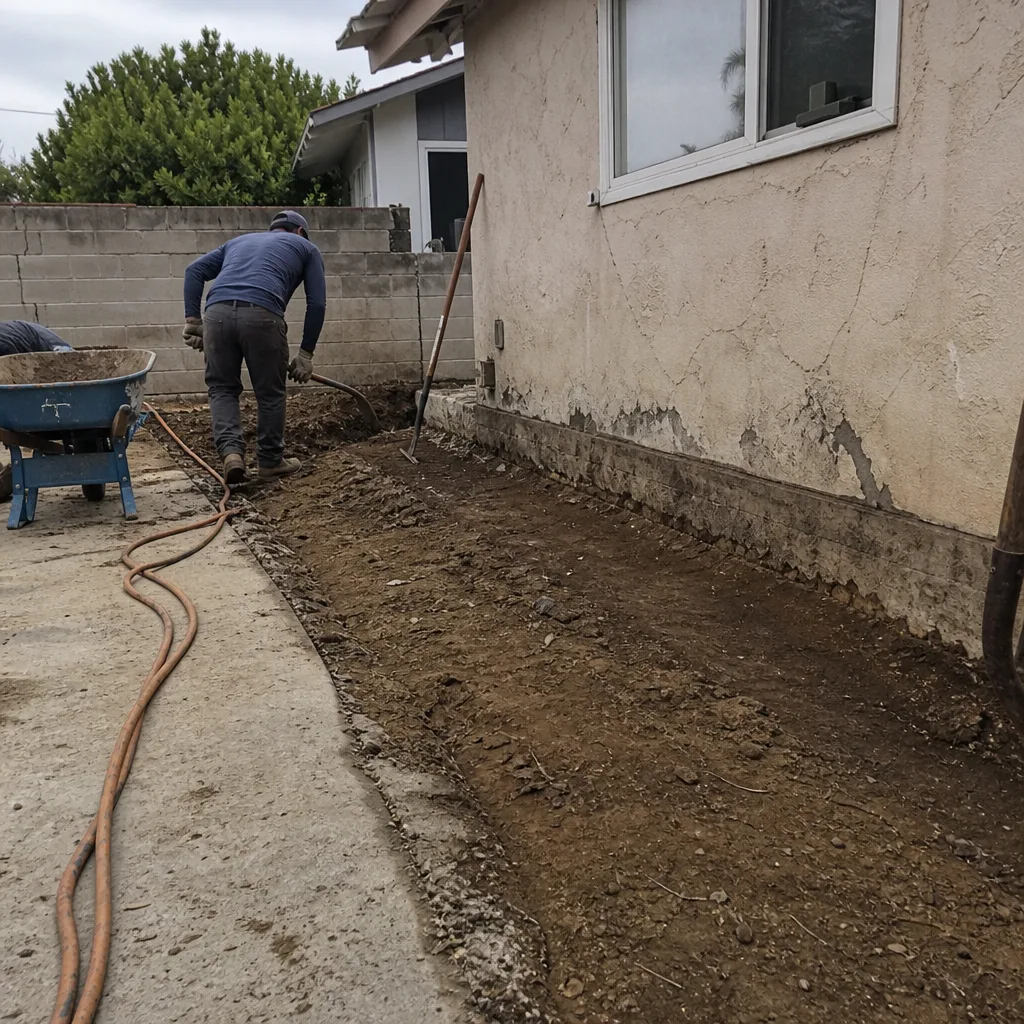 Before
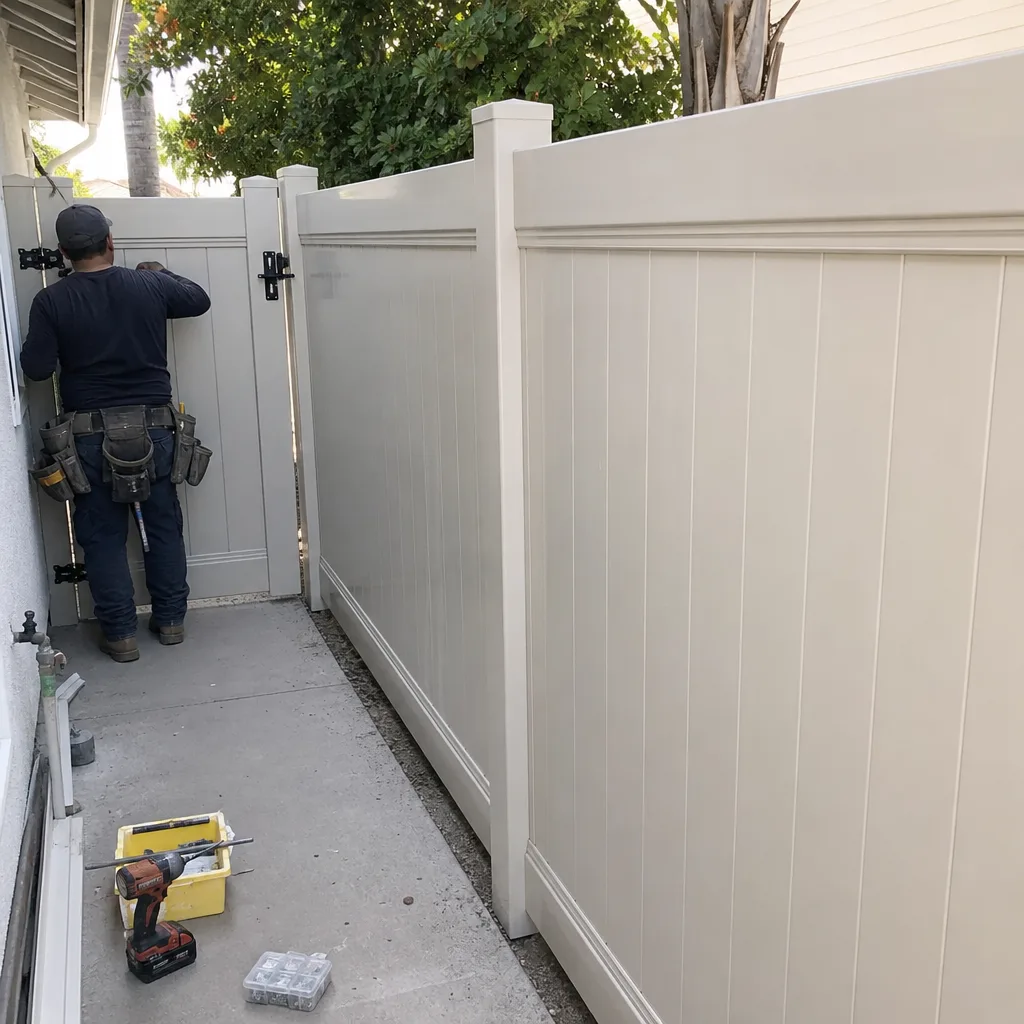 After
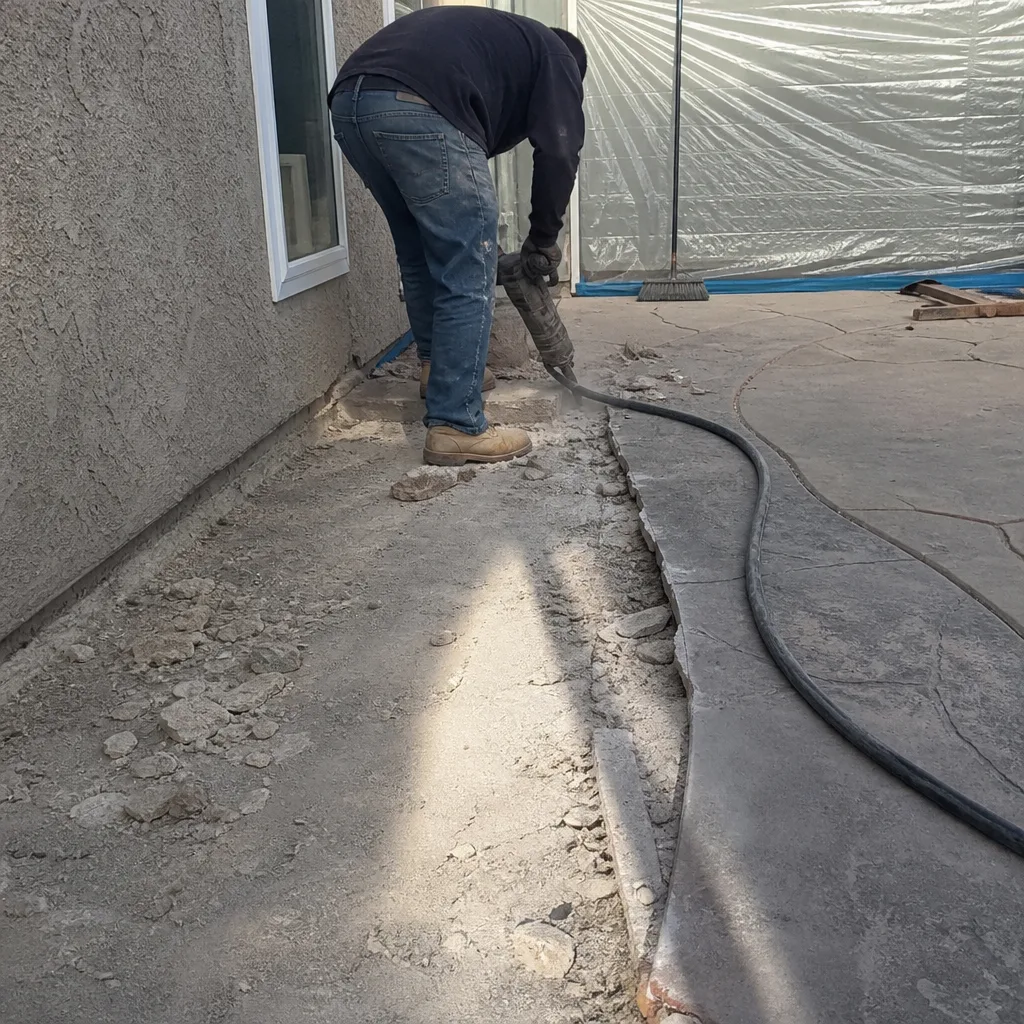 Before
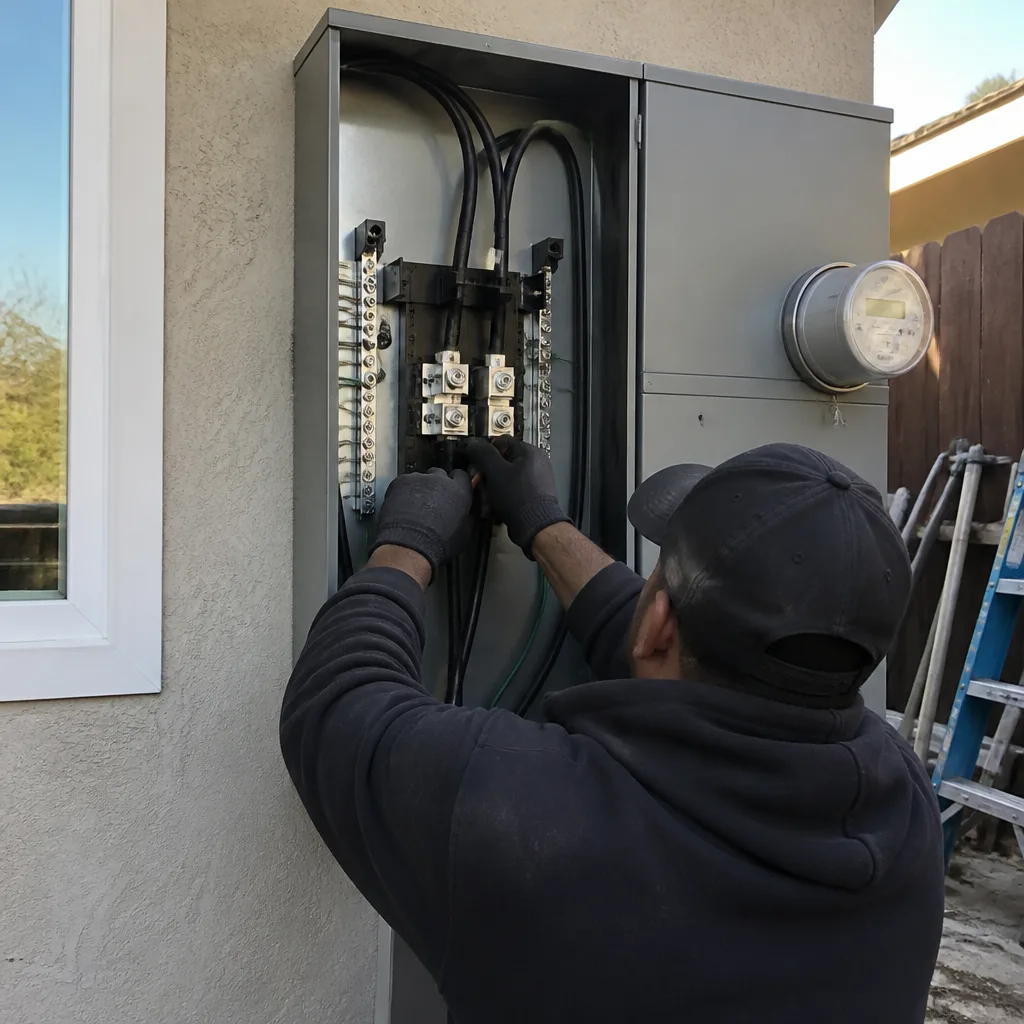 After
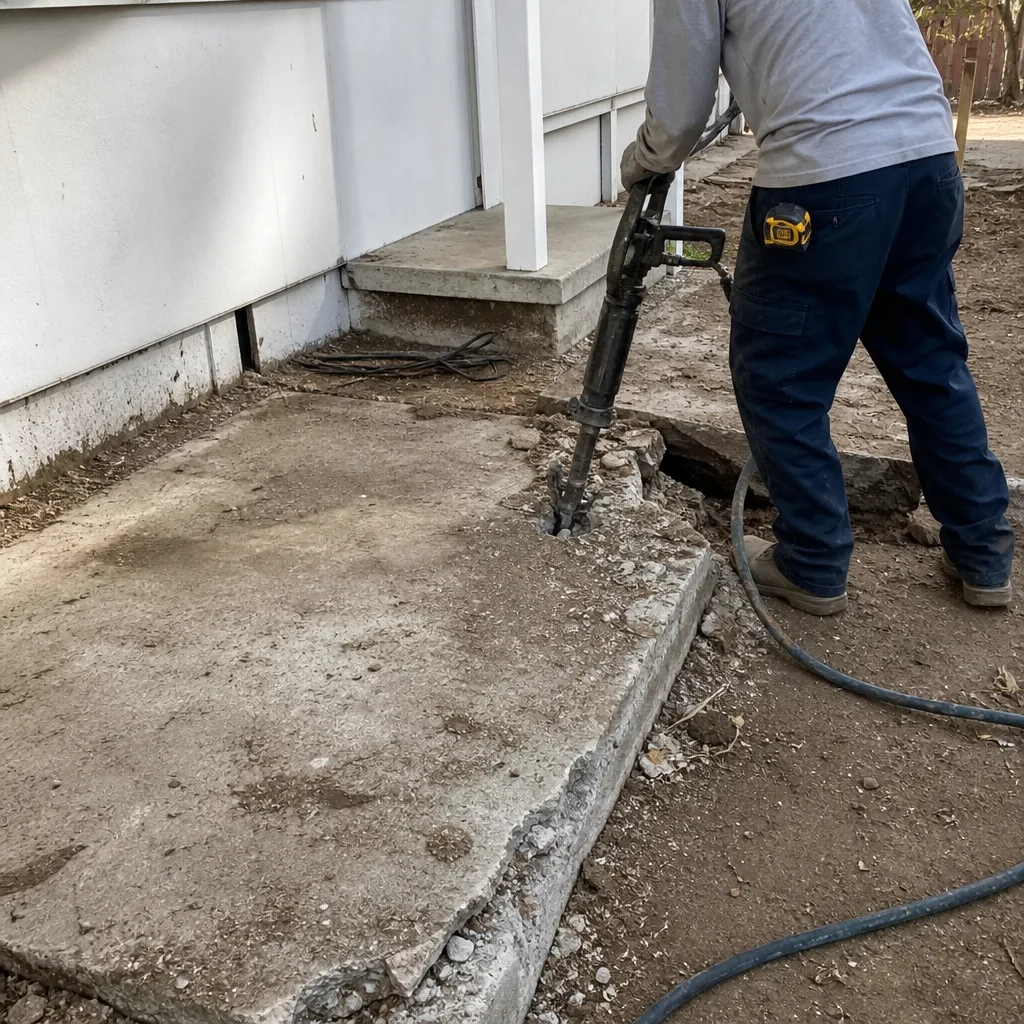 Before
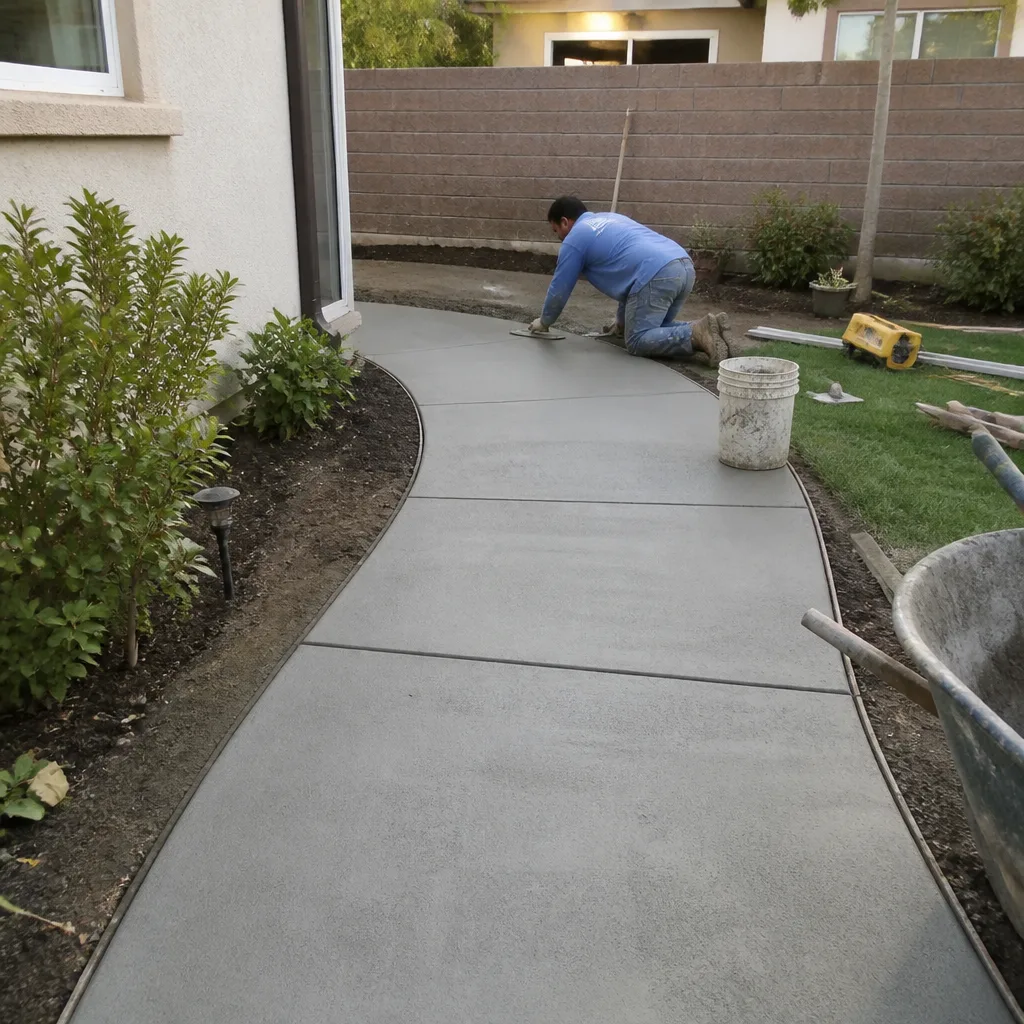 After