
Last updated October 30, 2026
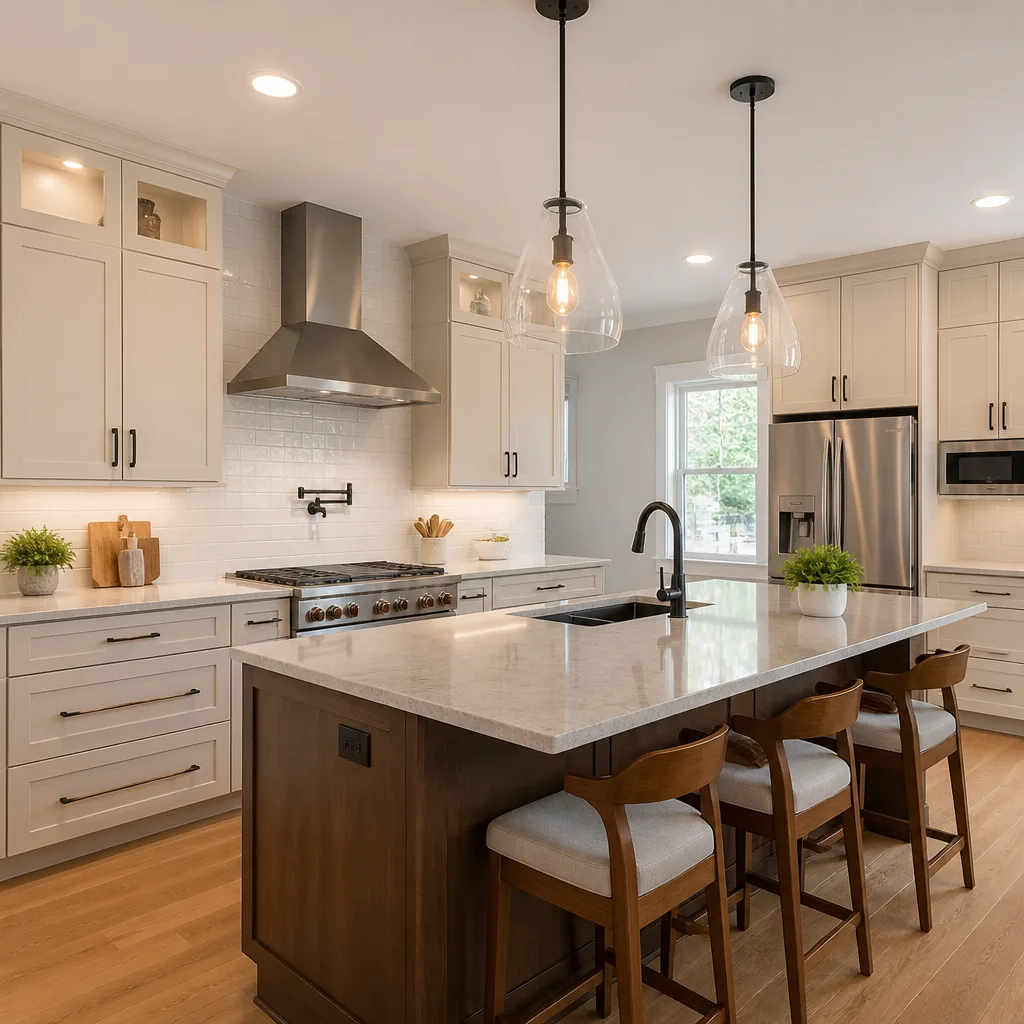 Kitchen remodeling
 Bathroom remodeling
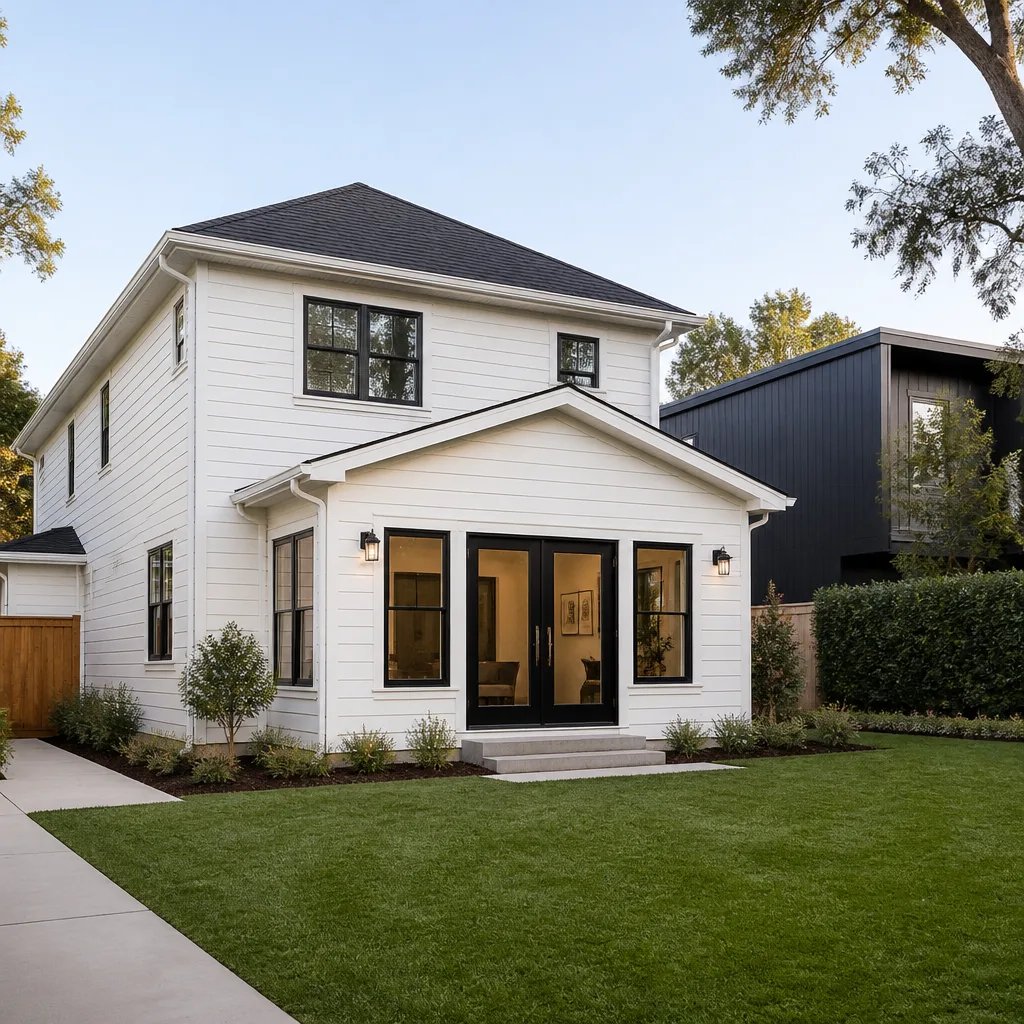 Home additions & ADU
 Roofing
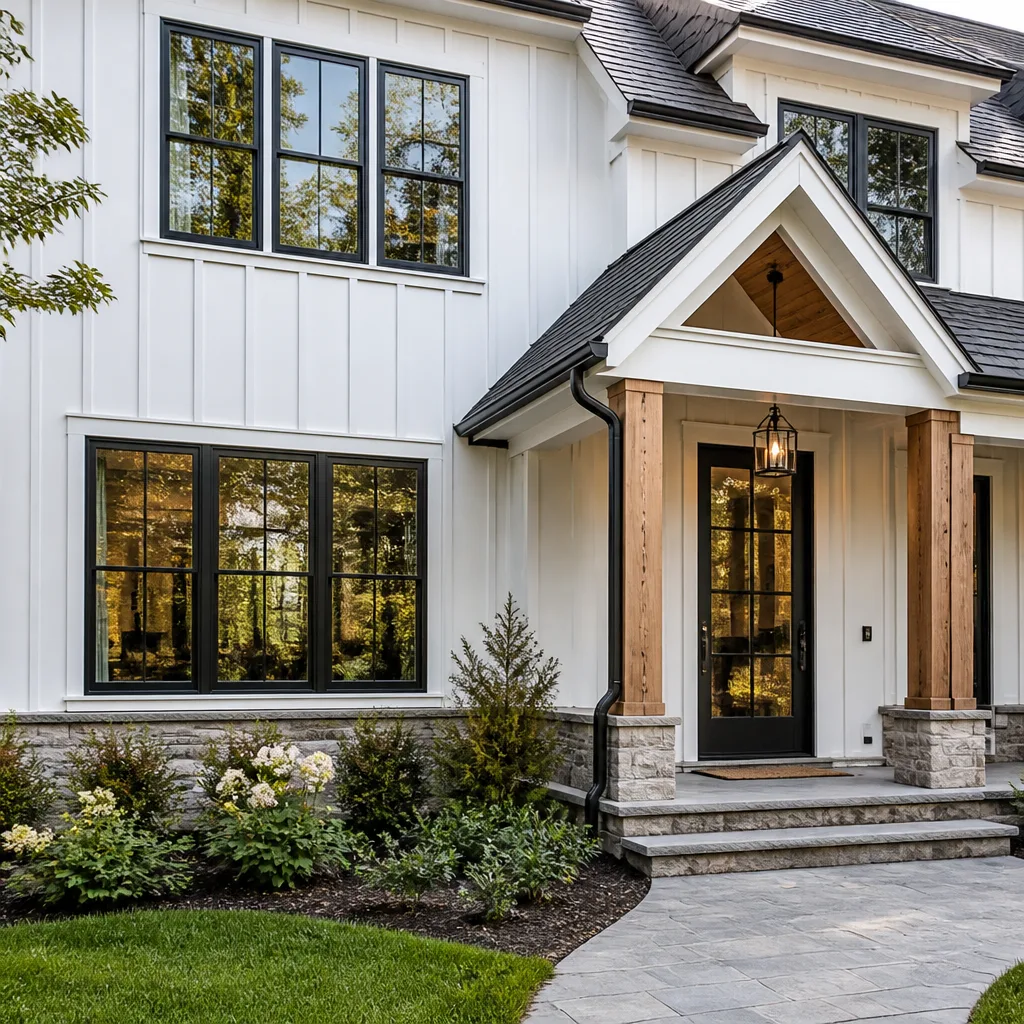 Windows & doors
 Driveway & pavers
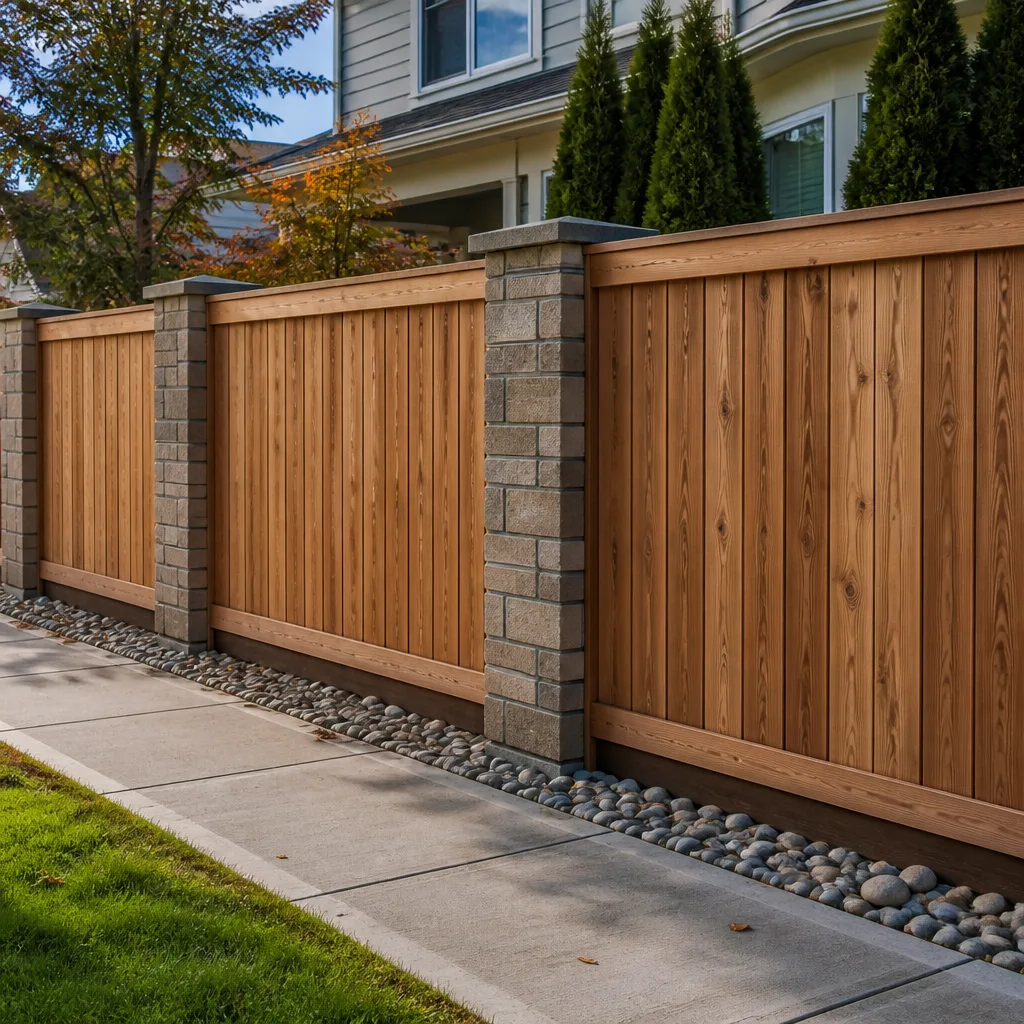 Fence
Free written scope consultation - allowances, timeline, and change-order rules on paper before a single trade is scheduled
Construction Permits, Codes & Inspections in CA: What You Need to Know
California issues more than 400,000 building permits every single year, yet a staggering number of home improvements happen without one. That unpermitted work rarely stays hidden. It surfaces during refinancing, insurance claims, or the moment you sit down at a closing table. In Tustin, where mid-century ranch homes are frequently expanded and updated, we’ve watched unpermitted additions and electrical changes crater more than one transaction. This guide covers how California’s layered code system actually works, where Tustin’s local amendments diverge from state code, which projects always need a permit, what inspections actually involve, and how to retroactively legitimize work that was done years ago. For more guides & resources on navigating Tustin’s construction landscape, see our blog.
Styles & brands we work with
Quick Answer
California’s building code sets statewide minimums, but your city adopts and amends it. In Tustin, most structural changes, electrical panel work, HVAC replacements, window resizing, and all ADUs require permits and inspections through the City of Tustin’s Community Development Department. Skipping permits creates title defects, insurance gaps, and code compliance liabilities that surface at sale.
Table of Contents
- How California Building Code Works vs. Tustin Local Amendments
- Projects That Always Require a Permit in Tustin
- The Tustin Permit Application Process, Step by Step
- Plan Check vs. Over-the-Counter Approvals: What Triggers Each
- What Happens During a Construction Inspection
- How to Legally Permit Work That Was Done Without Permits
- Tustin Permit Costs and Timelines to Budget For
- Common Mistakes to Avoid
- When to Call a Professional
- Frequently Asked Questions
- The Bottom Line
How California Building Code Works vs. Tustin Local Amendments
California’s building regulations rest on the California Building Standards Code, typically called Title 24. The state adopts code cycles every three years, and each cycle incorporates the International Building Code with California-specific modifications addressing seismic risk, energy efficiency, and fire safety. But Title 24 is the floor, not the ceiling. Cities can adopt local amendments that go beyond state minimums, and Tustin does exactly that.
Tustin operates under the California Building Code (CBC), California Residential Code (CRC), California Electrical Code (CEC), California Plumbing Code (CPC), and California Mechanical Code (CMC), all as amended by Tustin Municipal Code Title 9. Before starting any project, consult our General Contractor Maintenance Checklist for Tustin Homeowners to stay organized. Local amendments are not cosmetic. For example, Tustin’s hillside overlay zones in areas like Lemon Heights and Cowan Heights add geological and drainage requirements that flatland subdivisions never trigger. The city also maintains stricter landscaping and water efficiency standards in new construction and major remodels compared to the bare CBC baseline.
Seismic requirements matter more in Tustin than in many other Orange County cities because the Newport-Inglewood fault line runs through the western edge of the city. Structural changes to single-family homes, especially soft-story conditions or older raised foundations common in Tustin’s 1950s tracts, frequently require structural engineering sign-off beyond the standard plan check. A contractor who has pulled permits in Huntington Beach or Irvine and assumes Tustin is the same will hit surprises.
Practically, this layered system means you check three sources: state code, Tustin’s local amendments, and any homeowner association requirements if you live in a development like Tustin Ranch or Columbus Square where CC&Rs add their own restrictions.
Projects That Always Require a Permit in Tustin
Some projects never slide past the permit threshold, regardless of scope. If you are doing any of the following in Tustin, factor permit time and fees into your budget before you sign a contract.
Always-permitted projects in Tustin:
- Structural work: Load-bearing wall removal, beam installation, foundation repair or retrofit, roof framing changes, shear wall additions, and any work that changes the structural load path.
- Electrical panel changes: Replacing a main panel, upgrading service amperage from 100 to 200 amps, or adding subpanels all require permit and inspection. This is the single most common retrofit on Tustin’s older housing stock, where original 1950s and 1960s panels are still in use.
- HVAC replacement: Furnace or air conditioner replacement, ductwork modification, and mini-split installation are all permitted work. Tustin enforces this consistently, and an unpermitted HVAC swap is one of the first things a sharp home inspector catches.
- Window resizing: Replacing a window with the same rough opening typically does not require a permit. Enlarging or moving a window opening always does, because you are altering the structural framing.
- ADU construction: From attached conversions to detached new builds, every accessory dwelling unit in Tustin requires full permit review. The city has adopted state ADU mandates but adds local requirements around parking, setbacks, and fire access in hillside zones.
- Roof replacement: Tustin requires permits for roof replacements, particularly when the sheathing is exposed or the roofing type changes. Replacing a shingle roof with a heavier tile system may also trigger structural review.
- Kitchen and bath remodels involving plumbing or electrical changes: Cosmetically replacing cabinets and countertops with no plumbing or electrical work is typically exempt. But moving a sink, adding a pot filler, relocating fixtures, or adding circuits brings the project into permit territory.
We specify the product before we quote the price, and part of that specification conversation includes whether the work triggers permit requirements. If you’re weighing whether to tackle work yourself, our DIY vs Professional Construction: The Tustin Homeowner’s Decision Guide can help you decide. If you are swapping a Kohler shower valve in the same wall cavity, you’re likely fine without a permit. If you are moving the shower pan three feet, you’re not.
The Tustin Permit Application Process, Step by Step
The City of Tustin’s Community Development Department processes residential permits at 300 Centennial Way. Here is the actual sequence, based on how the city runs it today.
- Determine permit type and submit documentation. For simple trade permits, you or your contractor submits a description of the work, site plan if needed, and product specifications. For remodels and additions, you submit architectural plans, structural calculations, and energy compliance documentation (Title 24).
- Pay plan check fees at intake. Tustin charges plan check fees separately from the final permit fee. Plan check fees are typically a percentage of the valuation of the work.
- Plan review by city staff. The city routes your plans through building, electrical, plumbing, and mechanical reviewers. If the project touches hillside or landscape concerns, additional department reviews get added. This stage produces written correction comments.
- Corrections and resubmittal. Your contractor revises plans to address city comments and resubmits. Multiple correction cycles add weeks. A contractor familiar with Tustin’s reviewers anticipates the common comments before the first submittal.
- Permit issuance. Once approved, you pay the final permit fee and receive the permit placard that must be posted on the job site.
- Schedule and pass required inspections. The permit lists every required inspection point. You cannot miss one and continue the job without risking a correction or stop-work order.
- Final inspection and permit closeout. The final inspection verifies the work matches approved plans and code. Only after final approval is the permit closed and the work legally recognized.
Processing times vary by workload, but simple electrical and plumbing permits are often issued within one to two weeks. Full remodels and additions run four to eight weeks from first submittal to permit in hand, assuming no major correction cycles. Right now, Tustin is processing residential remodel permit applications faster than pre-2023 averages, but plan check review is usually the bottleneck.
Plan Check vs. Over-the-Counter Approvals: What Triggers Each
Tustin splits permit approvals into two paths: over-the-counter (OTC) and full plan check. Understanding which one applies to your project helps you set realistic expectations.
Over-the-counter approval applies to simple, low-risk trade permits: water heater replacement, re-roofing with the same material type, minor electrical work like circuit additions, and similar single-trade swaps. If plans are not required for the work, you walk in, submit the application, pay the fee, and leave with the permit. Some OTC items are processed same-day; others take a few business days.
Plan check kicks in whenever the city requires drawings and calculations: room additions, ADUs, load-bearing wall removals, window resizing, major remodels with structural changes, and any project in a hillside overlay zone. Plan check means your drawings are reviewed by city engineers and plan reviewers who compare them against CBC, local amendments, and Title 24 energy requirements. Any non-structural change that increases conditioned square footage also triggers plan check.
A practical example from Tustin: a straightforward kitchen remodel that keeps the existing footprint, the same gas line location, and the same sink drain position may only need an electrical permit and a plumbing permit, both OTC. But the moment you remove a wall between the kitchen and dining room, even a non-load-bearing partition, the city may require a full plan check because you are altering the fire separation and ventilation profile. This catches homeowners constantly. What feels like a cosmetic floor plan change is a code project.
What Happens During a Construction Inspection
Construction inspections are not pass-or-fail events where the inspector simply gives you a sticker. They are checkpoints where the city verifies that installed work matches the approved plans and current code. The inspector reviews the specific inspection type requested, confirms coverage, and either approves the stage or writes a correction notice.
Typical inspection milestones on a Tustin remodel:
- Foundation inspection: Before concrete is poured, the inspector checks footing depth, reinforcement, and forms against the engineered drawings.
- Rough frame inspection: After framing, before drywall, the inspector reviews structural connections, hold-downs, shear walls, brace panels, and nailing patterns.
- Rough electrical inspection: Wiring, boxes, grounding, and panel work are checked before wall coverings are installed.
- Rough plumbing inspection: DWV lines, supply lines, and venting are tested before concealment.
- Insulation inspection: The inspector verifies R-value compliance before drywall hangs.
- Final inspection: A comprehensive review covering finished electrical devices, plumbing fixtures, smoke and carbon monoxide detector placement, stair and guardrail geometry, and egress requirements.
A contractor’s relationship with the building department matters more than most homeowners realize. It affects corrections, scheduling, and the ability to get straight answers on code interpretation. Contractors who treat Tustin inspectors as partners, rather than adversaries, resolve issues faster. In our experience, the time between a failed inspection and a reinspection is where projects stall. A contractor who anticipates what the inspector will flag before the inspection happens keeps the job moving.
Failure rates on first inspection in California run meaningfully higher for homeowner-pulled permits than contractor-pulled permits. That is not a knock on homeowners; it reflects the learning curve. The code book is thick, and the inspector will cite the specific section when something is wrong.
How to Legally Permit Work That Was Done Without Permits
Unpermitted work is fixable, but the process is more involved than the original permit would have been. California law allows retroactive permitting, sometimes called “as-built” permitting, but the city will hold the work to current code, not the code that existed when the work was done.
Here is the retroactive permit process in Tustin:
- Disclose the work to the city. You or your contractor submits an application describing the existing conditions. This starts the compliance path, but be aware: once the city knows, the work cannot be ignored.
- Prepare as-built plans. A draftsman or architect documents the current condition, including the unpermitted scope, with accurate dimensions and structural details.
- Open up concealed areas as directed. The city will require you to expose framing, wiring, plumbing, or foundation elements so an inspector can verify the work. Drywall comes down. Trenches get opened. This is non-negotiable.
- Correct deficiencies. Any work that fails current code must be brought into compliance. A 1990s room addition without shear walls will need retrofitted shear panels. An old subpanel with no ground will need rewiring.
- Pass inspections and close the permit. Once the city signs off, the work is legally recognized, and the title cloud is cleared.
The cost varies wildly. A simple unpermitted water heater or electrical subpanel might cost $800 to $1,500 in permitting and corrective work. An unpermitted room addition could run $15,000 to $40,000 depending on what corrections the city requires. The decision to retroactively permit usually comes down to timing. If you are selling within a year, the buyer’s lender will flag unpermitted square footage during appraisal, and the deal will likely require retroactive compliance or a price concession. If you plan to stay in the home for years, you can phase the compliance work on your own schedule.
One critical note for Tustin homeowners: the city cross-references building records with property tax records and MLS listings. If the county assessor shows 1,900 square feet and your listing says 2,300 square feet, the discrepancy invites scrutiny. Unpermitted additions do not escape documentation forever.
Tustin Permit Costs and Timelines to Budget For
Permit fees in Tustin are calculated on the valuation of the work, not a flat rate. Valuation is determined by the city’s own table, which estimates cost per square foot or per unit of work. The city issues a building permit fee plus separate electrical, plumbing, and mechanical permit fees, and plan check fees are added on top when plans are required.
Typical Tustin permit cost ranges:
- Water heater replacement: $80 to $150 permit fee, usually OTC.
- Electrical panel upgrade (100 to 200 amp): $200 to $400 in combined permit and plan check fees.
- Minor kitchen remodel with plumbing and electrical changes: $600 to $1,500 in total city fees.
- Bathroom remodel with fixture relocation: $500 to $1,200 in total city fees.
- Room addition (400 square feet): $4,000 to $8,000 in plan check and permit fees, excluding engineering.
- Detached ADU (750 square feet): $7,000 to $15,000 in total city fees, with possible school district and utility fees on top.
These are planning numbers, not exact quotes. The city recalculates fees annually, and valuation tables shift. A contractor pulling the permit can give you the exact fee schedule after submitting the application.
Timeline planning: OTC trade permits take one day to two weeks. Plan check for a kitchen remodel typically runs three to six weeks. Room additions and ADUs run six to twelve weeks. Inspection scheduling in Tustin is generally efficient, with most inspections available within two to three business days of the request.
Common Mistakes to Avoid
- Skipping permits on window replacements that change opening size. Homeowners think “same wall, same window” and the inspector sees enlarged rough openings and absent header support. Resized windows are structural, period.
- Hiring a contractor who says “we don’t need a permit for this.” If the work is listed in the always-permitted section above, you need a permit. A contractor who avoids permits is putting your title at risk and often cutting corners elsewhere.
- Pulling a homeowner permit while hiring an unlicensed worker to do the actual labor. This happens constantly. The homeowner is the permit holder, which means the homeowner is the responsible party on record when the work fails inspection.
- Starting demolition before the permit is issued. In Tustin, work done before permit issuance is still considered unpermitted work, even if the permit application is in process. If the plan check comes back with major corrections, you have already opened walls that now must remain open until approval.
- Using someone who is not a licensed contractor to pull the permit in your name. A handyman cannot legally pull a building permit in California. If they ask to do so under your name, you are taking liability for their work.
- Assuming an inspection passed means everything is code-perfect. Inspectors verify visible work at specific stages. They do not catch every defect. A good contractor treats inspection as a floor, not a ceiling.
- Ignoring HOA requirements in Tustin Ranch or Tustin Legacy developments. The city may approve your project, but HOA architectural review can stop the work on a different track entirely. Check both before signing.
When to Call a Professional
If your project involves structural changes, panel upgrades, ADUs, or any scope where concealed work must be exposed for retrofit compliance, you need a licensed general contractor who has navigated Tustin’s process before. The permit path rewards familiarity: knowing which city reviewer handles what, which code sections Tustin enforces strictly, and which common correction comments to preempt. A contractor who pulls permits regularly in Tustin will also protect you from the biggest risk of all, which is a permit pulled and never finaled. That open permit sits on your property record, and it blocks a sale just as effectively as an unpermitted addition. Ashbury Contractors home offers full-scope general contracting in Tustin, from single-trade retrofits to whole-property remodels, with one point of contact across every trade and every permit stage. For a free estimate on your project, call (833) 467-4091.
Frequently Asked Questions
A Tustin building permit typically runs from $80 for simple trade permits to $8,000 or more for room additions and $15,000 for detached ADUs, depending on the project’s valuation. Plan check fees are added separately when drawings are required. Call (833) 467-4091 for a project-specific estimate.
Unpermitted work creates a title disclosure issue that your real estate agent must disclose, which typically slows the sale or costs you a price concession. Lenders often flag the square footage discrepancy during appraisal, and the buyer may demand you retroactively permit the work or reduce the price. The cleanest path is to permit it before listing.
Yes, Tustin requires a building permit for roof replacement, especially when the roofing material type changes or the sheathing is replaced. A simple re-roof using the same material often qualifies for an over-the-counter permit, while a heavier tile or metal system may require plan check for structural review.
California allows a homeowner to pull an owner-builder permit for their own primary residence, but the homeowner is then legally responsible for the work passing inspection and meeting code. For significant electrical work like a panel upgrade, we recommend a licensed contractor who carries the liability and knows the Tustin inspection process.
A kitchen or bath remodel permit in Tustin typically takes three to six weeks from submittal to issuance, assuming smooth plan review. Room additions and ADUs run six to twelve weeks. Simple trade permits are often issued within one to two weeks.
A permit authorizes the work to begin; an inspection verifies the work meets code at specific stages. You need both. A permit without a passed final inspection creates an open record that blocks sale or refinance just as effectively as never pulling the permit at all.
The Bottom Line
California’s building permit system is a layered framework where state code provides the baseline and cities like Tustin add local amendments that can shift project requirements. The projects that always need permits are structural changes, electrical panel work, HVAC replacement, window resizing, and ADU construction. The Tustin permit process is predictable once you understand the over-the-counter versus plan-check split. Unpermitted work can be retroactively permitted, but the process requires exposed inspections and current-code compliance, and it costs more than doing it right the first time. If you are planning work in Tustin, start with the city’s permit requirements before you finalize any design or budget. For General Contractor in Tustin services, including permitted remodels and whole-property work, Ashbury Contractors brings one contract and one accountable party across every trade. We also provide Home Remodeling in Tustin and Home Renovation in Tustin services, with product specification done before pricing so you know exactly what you are paying for. Call (833) 467-4091 for a free estimate.
Written by the team at Ashbury Contractors, serving Tustin since 2014.
See the difference
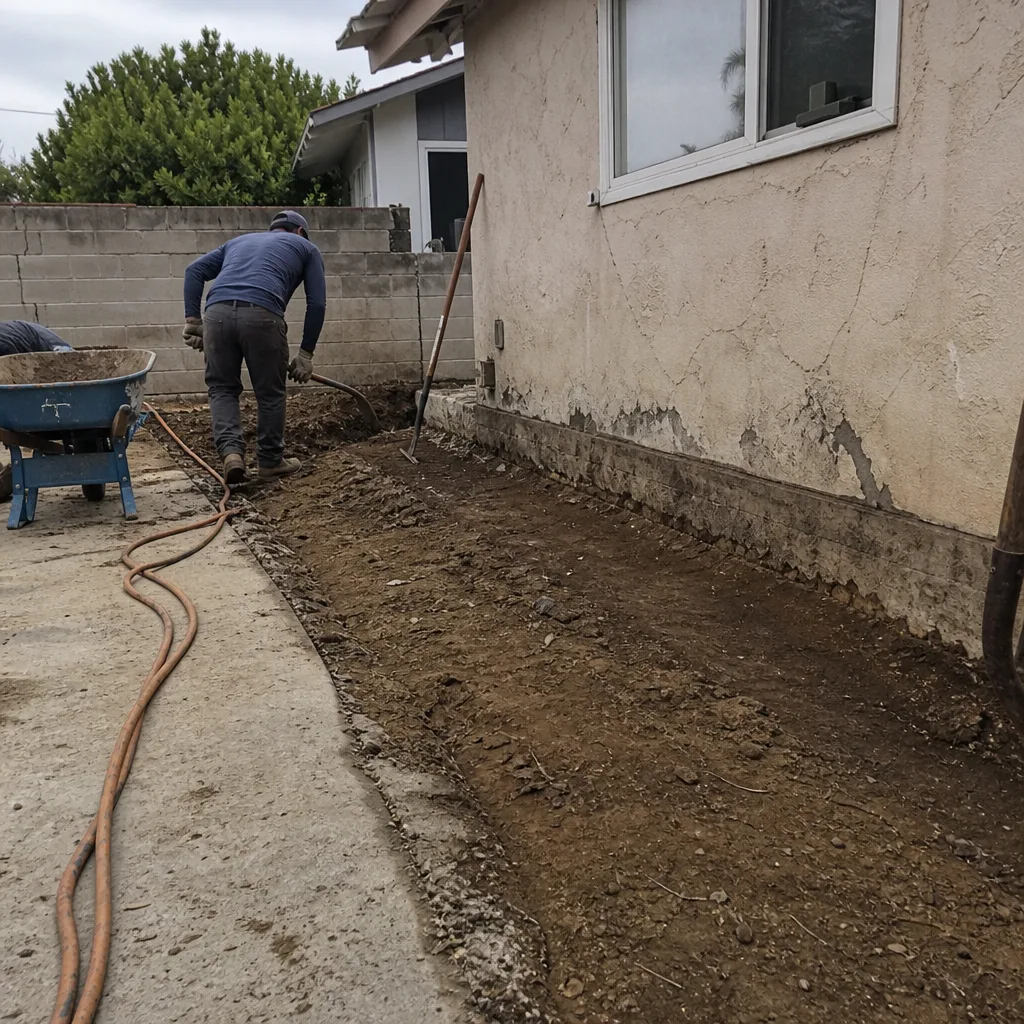 Before
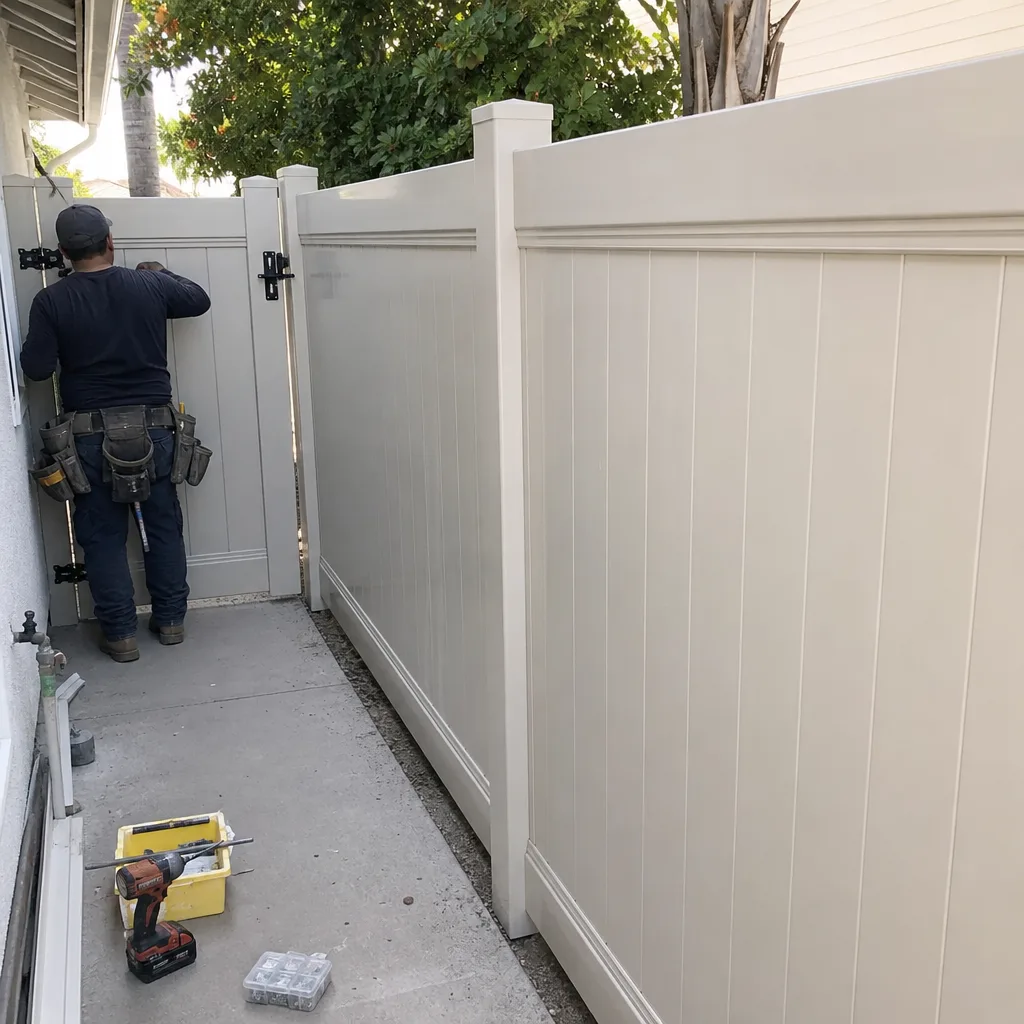 After
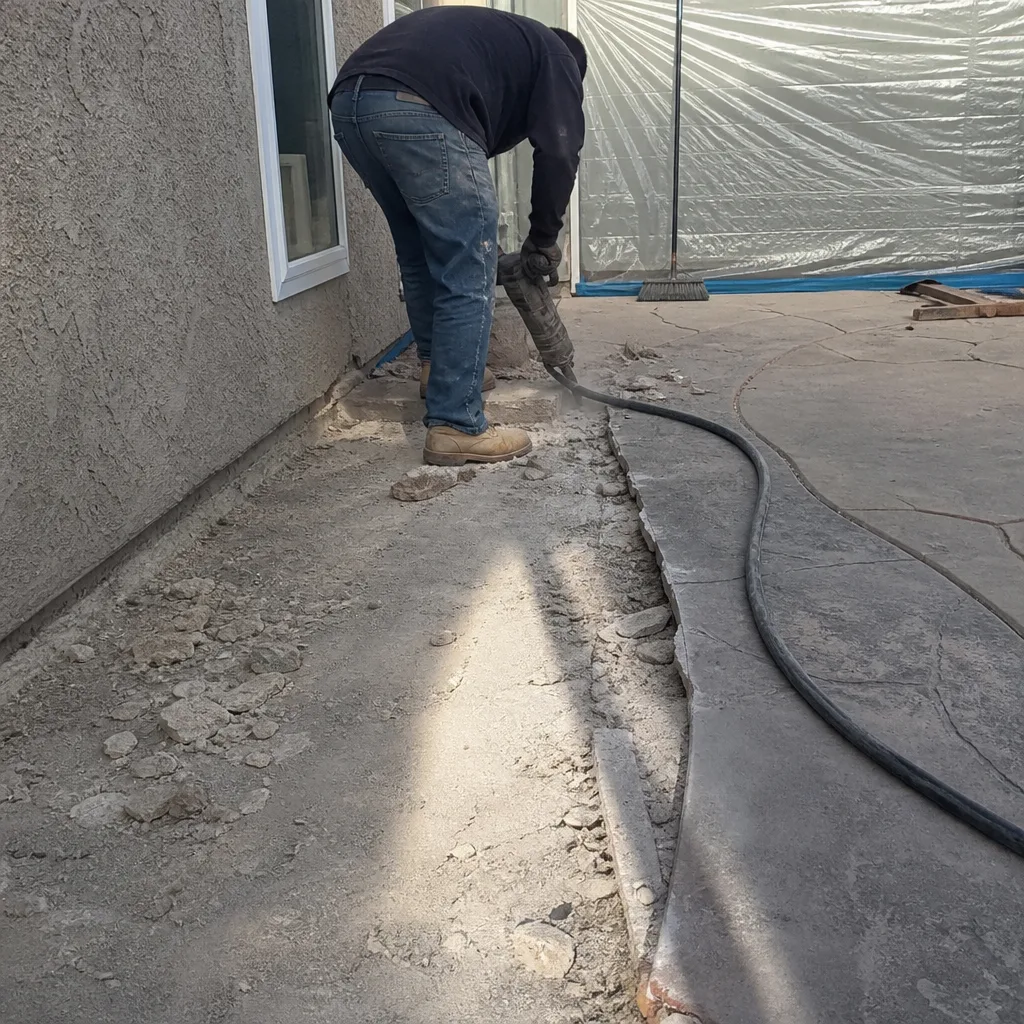 Before
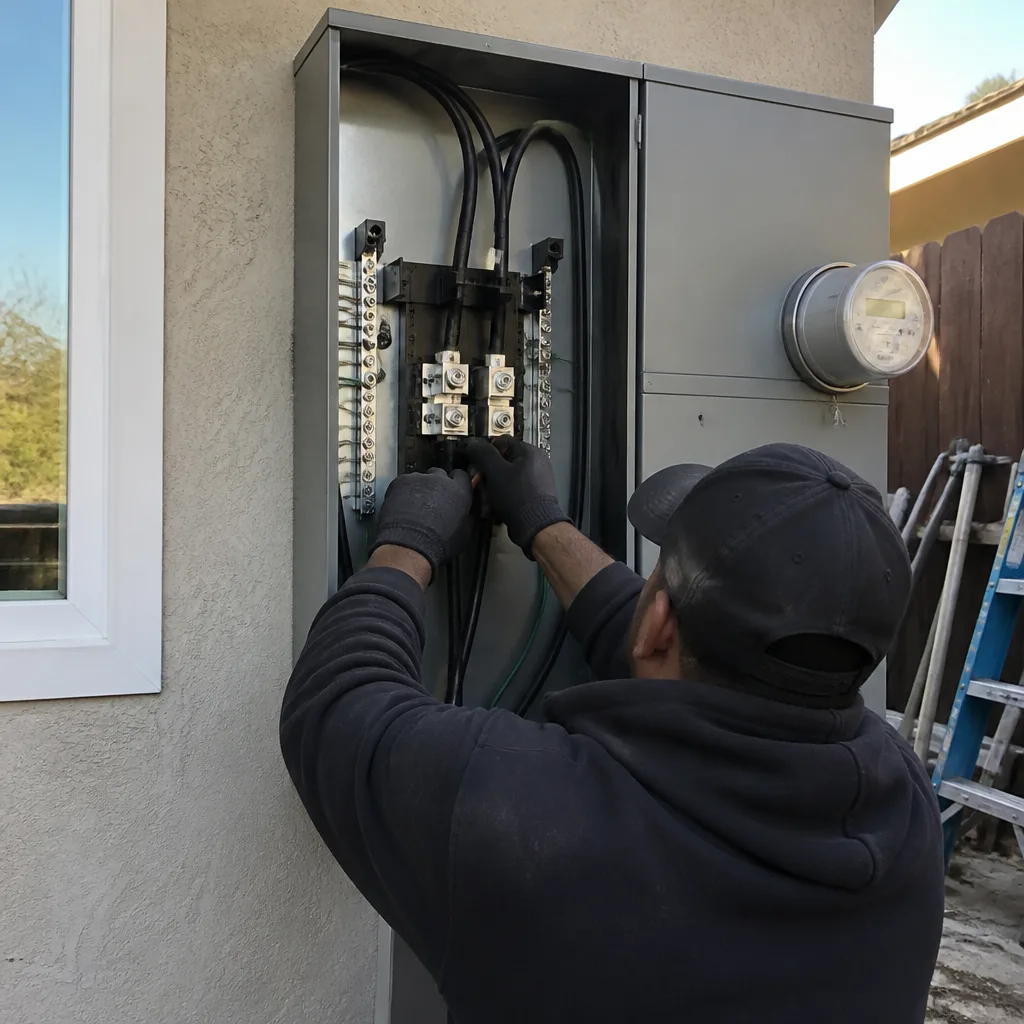 After
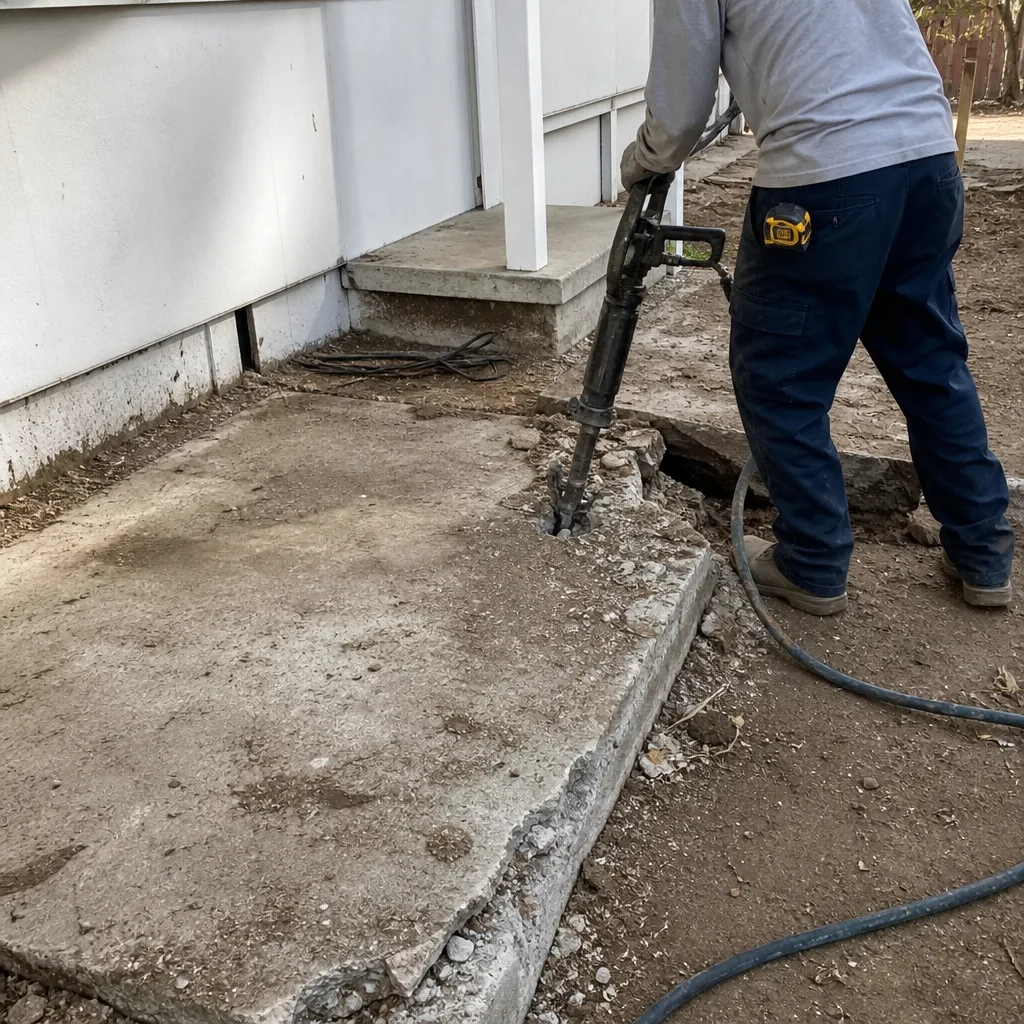 Before
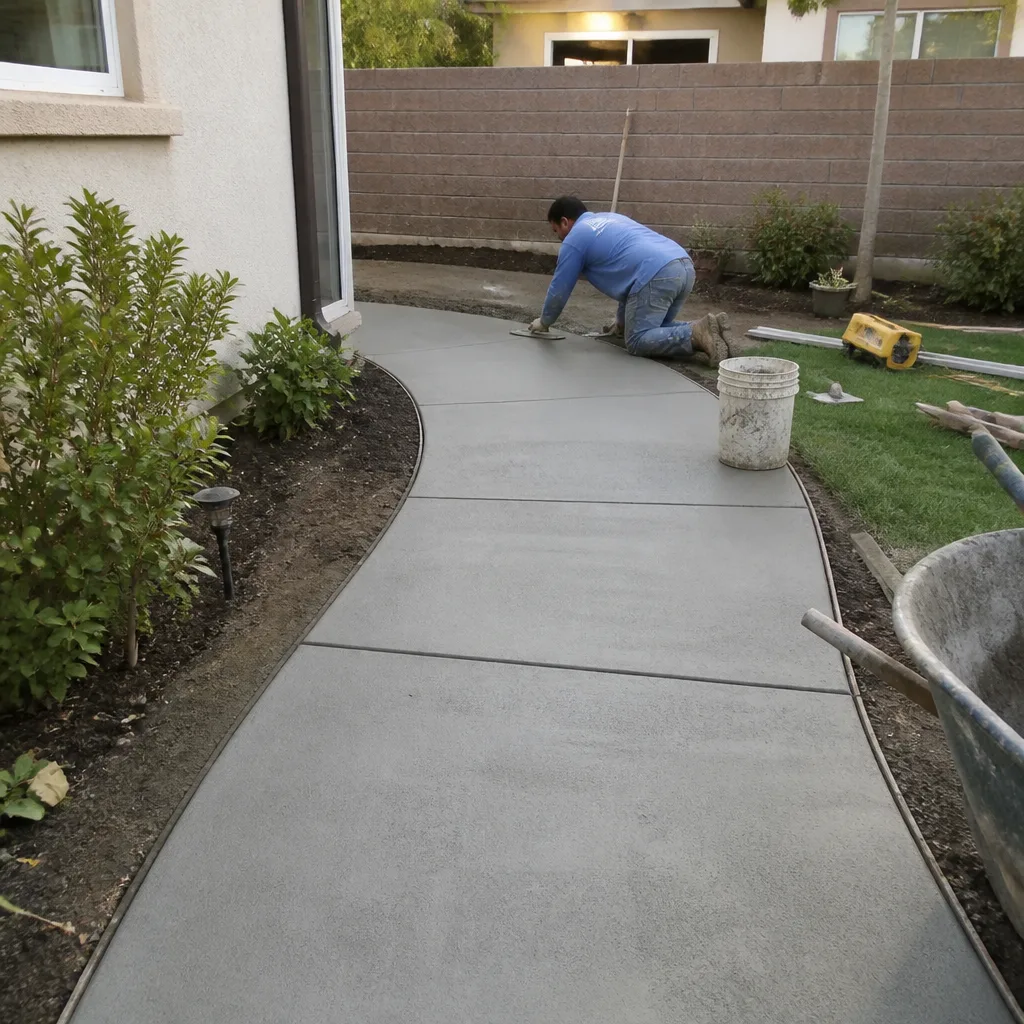 After