
Last updated October 30, 2026
 Home additions & ADU
 Kitchen remodeling
 Bathroom remodeling
 Roofing
 Windows & doors
 Driveway & pavers
 Fence
Free written scope consultation - allowances, timeline, and change-order rules on paper before a single trade is scheduled
The Complete General Contractor Guide for Tustin Homeowners
Tustin’s building department issues separate permits for work that neighboring Irvine bundles into a single application. That one administrative difference catches out-of-area contractors off guard, stalls projects for weeks, and costs homeowners money in re-inspection fees. This guide explains what actually happens when you hire a general contractor in Tustin, how the city’s permit process works, what older homes in Tustin Ranch and Old Town require, and how to evaluate a contractor before you sign anything. By the end, you’ll know exactly what to ask, what to verify, and what a full-scope contractor should handle without you chasing five different trades.
Quick Answer
A general contractor in Tustin manages your entire remodel or renovation project: permits, subcontractors, materials, inspections, and scheduling. For Tustin homeowners, hiring a licensed California GC matters more than in most Orange County cities because the city’s permit requirements are stricter and more fragmented. The right contractor handles the full scope under one contract, verifies their license through the CSLB, and knows Tustin’s specific inspection triggers before work starts.
Styles & brands we work with
Table of Contents
- Why Tustin Permits Are Different From Other Orange County Cities
- Licensed GC vs. Handyman: What California Law Actually Says
- How to Read a Tustin Contractor’s CSLB License Lookup
- What Older Homes in Tustin Ranch and Old Town Require
- What a Single-Contract, Full-Scope GC Saves You
- Material Selection: Why Brand Names Matter in Your Contract
- Tustin Remodel Timeline: What Actually Takes the Longest
- Common Mistakes to Avoid
- When to Call a Professional
- Frequently Asked Questions
Why Tustin Permits Are Different From Other Orange County Cities
Tustin operates through its own Building Division, not a county-level permitting department. That means the city sets its own fee schedule, its own inspection windows, and its own rules about what requires a permit. Irvine bundles certain electrical, plumbing, and structural updates into a single building permit. Tustin often splits these into separate applications.
Here’s what this means in practice: a kitchen remodel that involves moving a sink, adding a circuit, and removing a non-load-bearing wall might require three separate permits in Tustin. In Irvine, the same scope might fall under one combined permit. A contractor who primarily works in Irvine or Newport Beach may not anticipate this. The result is either a surprise delay while new permit applications get filed, or worse, work proceeding without the right permits and failing inspection later.
Tustin’s permit fees for residential remodels typically run higher than neighboring cities for comparable scope. The city also enforces its inspection schedule tightly. Missed inspections or incorrect sequencing gets flagged, and re-inspection fees add up. We’ve watched projects in Tustin stall for two to three weeks purely because a contractor didn’t know the Building Division wanted a separate plumbing permit before rough-in inspection could be scheduled.
This is why hiring a contractor who already works regularly in Tustin matters. They know which permits the city bundles and which it splits. They know the inspection office’s expectations. They show up to the first meeting knowing what the permit path looks like, not figuring it out from scratch on your project timeline.
Licensed GC vs. Handyman: What California Law Actually Says
California Contractors State License Board (CSLB) rules are unambiguous: any project valued at $500 or more in labor and materials requires a licensed contractor. A handyman cannot legally pull building permits for work exceeding that threshold. And in Tustin, nearly every remodel that requires city permits also exceeds $500 in combined labor and material value.
The distinction matters for more than legality. A licensed general contractor in California has passed trade and law exams, carries a contractor’s bond, and maintains workers’ compensation insurance. A handyman typically has none of these. If a handyman’s worker gets injured on your Tustin property, your homeowner’s insurance may deny the claim. If a handyman does substandard work and disappears, you have limited recourse.
Tustin’s Building Division requires the permit holder to be a licensed contractor for most residential remodel scopes. The city will not issue a permit to a handyman for structural work, plumbing changes, or electrical modifications. Some homeowners attempt to pull owner-builder permits to work around this. That’s a separate conversation with real liability implications, and we generally advise against it for anything beyond minor cosmetic work.
A full-scope remodel in Tustin almost always involves multiple trades: framing, plumbing, electrical, drywall, tile, cabinetry, and finishing. A licensed GC carries the classification that covers the whole scope. The B-2 classification is standard for residential remodeling. Some contractors carry additional classifications like C-36 for plumbing or C-10 for electrical, but a competent B-2 GC coordinates licensed subcontractors under their own supervision and accountability.
How to Read a Tustin Contractor’s CSLB License Lookup
Before you sign any contract with a general contractor in Tustin, run their license number through the CSLB website. Here’s the step-by-step process and what to look for:
- Go to the CSLB license lookup page and enter the contractor’s license number or business name.
- Verify the license status says “Active.” A suspended, expired, or inactive license is a hard stop.
- Check the classification. For full-scope residential remodeling, you want a B-General Building license. This covers the broad scope that kitchen, bath, and whole-home remodels require.
- Look at the bond amount and effective dates. California requires a $25,000 contractor’s bond. If the bond is lapsed or insufficient, walk away.
- Review the workers’ compensation insurance field. If it says “exempt” and the contractor brings employees onto your Tustin job site, you’re exposed to liability.
- Check the license issue date. A license issued last month with no prior history isn’t automatically disqualifying, but a contractor with years of active status in Tustin and surrounding Orange County has a demonstrated record.
- Review any disciplinary actions. The CSLB lists citations, suspensions, and revocations. A single minor citation from years ago may not matter. A pattern of unresolved complaints does.
We recommend running this check before scheduling a first meeting. It takes five minutes and eliminates the worst actors immediately. It also tells you whether the contractor actually works under the name they advertise. Some operations run multiple DBAs, and checking the license reveals who you’re actually doing business with.
What Older Homes in Tustin Ranch and Old Town Require
Tustin’s housing stock spans decades, and the age of your home dictates what happens during renovation. Homes built before 1978 often contain asbestos in drywall joint compound, floor tile adhesive, vermiculite insulation, and some textured ceiling applications. Homes built before 1990 may have original galvanized plumbing nearing failure. Homes built before 2000 in Tustin Ranch sometimes have polybutylene piping, which insurers flag and which fails without warning.
When you start a remodel in older Tustin neighborhoods, these are the additional inspection triggers:
- Asbestos testing may be required before demolition if the city’s records show the original building date predates 1978. A licensed asbestos abatement contractor handles removal, and the clearance certificate gets submitted to Tustin’s Building Division.
- Load-bearing wall assessment becomes more complex in older Tustin Ranch homes. Original framing plans may not exist or may not reflect years of DIY modifications.
- Original plumbing in Old Town homes often includes cast iron drains showing internal corrosion. Opening walls during a remodel reveals this, and replacing it adds scope and cost mid-project.
- Electrical panels in homes built before 1980 frequently show ungrounded circuits. Tustin requires upgraded panels and grounded circuits when remodel scope touches the affected rooms.
A contractor who works regularly in older Tustin homes recognizes these conditions before demo starts. They specify testing in the initial estimate rather than discovering it after walls come down. That’s the difference between a remodel with a few known contingencies and one with five-figure surprise change orders.
What a Single-Contract, Full-Scope GC Saves You
Tustin homeowners undertaking mid-to-large renovations face a choice. Hire separate contractors for each trade, or bring in one general contractor managing everything under one contract. Here’s what the full-scope model actually saves you.
When you act as your own GC, you’re coordinating schedules for the demolition crew, plumber, electrician, drywaller, tile installer, cabinet installer, painter, and whatever specialty trades the project requires. Each operates on their own timeline. Each waits for the previous trade to finish. Each blames the other when something goes wrong. The city doesn’t care about your coordination problem; Tustin’s inspectors show up when scheduled, and if the work isn’t ready, you pay re-inspection fees.
A full-scope GC handles this as their core function. The sequencing, the schedule calls, the quality checks between trades, the material deliveries timed so cabinets arrive when the drywall is done, not sitting in your garage for six weeks. One responsible party for the entire scope from foundation to fence line.
Here’s the numbered breakdown of what a single-contract GC provides:
- One contract with defined scope, materials, and payment schedule. No juggling five separate agreements with different terms and payment demands.
- One schedule integrating every trade. The cabinet installer arrives when the drywall is prepped. The painter arrives when the tile is cured.
- One point of accountability. If the plumbing rough-in fails inspection, you call one number. The GC resolves it.
- One warranty conversation. Workmanship issues get addressed by the party you contracted with, not by a subcontractor who may or may not answer their phone.
- One materials strategy. A GC specifying Cambria quartz for countertops alongside KraftMaid cabinetry ensures the materials work together in both spec and schedule.
We’ve seen Tustin homeowners attempt the multi-contractor route. By the time they’ve spent three months coordinating and re-paying for overlapping work, the single-contract approach costs less in total, even before factoring in the value of not managing a construction site while holding a full-time job.
Material Selection: Why Brand Names Matter in Your Contract
The difference between a contractor who genuinely manages materials and one who just coordinates labor shows up in the contract language. A vague line item like “quartz countertops” gives you no protection. A specific spec like “Cambria quartz, Brittanicca color, 3cm thickness, eased edge” tells you exactly what you’re getting and at what standard.
We specify the product before we quote the price. That’s not a marketing line; it’s how a real material strategy works. The cabinet line matters because Wellborn and KraftMaid manufacture to different tolerances. The countertop brand matters because Cambria and Silestone differ in pattern consistency, finish options, and fabricator requirements. A contractor who names the brand is committing to a standard the manufacturer enforces, not just a material description.
This approach matters most in four areas:
- Cabinetry: Brand-name lines carry published specifications for box construction, hardware, drawer glide ratings, and finish durability. Unbranded “custom” cabinets from an unknown shop may look fine in the showroom and warp within three Tustin summers.
- Countertops: Cambria quartz carries a transferable warranty tied to the specific slab. Silestone offers different pattern depth and stain resistance profiles. The brand determines what you can expect in a decade.
- Roofing: A GAF or CertainTeed system includes manufacturer specifications for underlayment, flashing, and installation. This matters because Tustin’s heat cycles stress roofing materials differently than coastal Orange County.
- Windows and exterior doors: PGT, CGI, and Therma-Tru products carry structural and impact ratings. A generic “new vinyl window” spec tells you nothing about the frame warranty or glass package.
Built to the standard of the brand. When you name the brand, the manufacturer’s spec becomes the minimum quality bar, and the contractor works to that standard.
Tustin Remodel Timeline: What Actually Takes the Longest
Homeowners consistently underestimate what takes longest in a Tustin remodel. Demo feels fast. Framing moves quickly. It’s the sequencing, the inspections, and the materials that eat the timeline.
Here’s what actually drives duration in Tustin:
- Permit approval: Tustin’s Building Division processing time for standard residential remodel permits typically runs two to four weeks depending on staff workload and application completeness. Incomplete applications get bounced back and the clock restarts.
- Inspection scheduling: Tustin schedules inspections for specific windows. Missing a window because a trade fell behind pushes the whole timeline back by days, not hours.
- Custom materials lead times: Custom KraftMaid or Wellborn cabinetry typically runs six to ten weeks from order to delivery. Cambria slabs require fabrication time after the template appointment. Ordering materials after demo instead of at contract signing adds six to eight weeks of empty schedule.
- Subcontractor availability: The best electricians, plumbers, and tilers in Orange County stay booked. A GC with ongoing relationships slots into their schedules faster than a homeowner calling cold.
Most Tustin kitchen remodels run eight to fourteen weeks from permit approval to final inspection, depending on scope and materials. Bath remodels run four to eight weeks. Whole-home renovations with multiple phases stretch across months. These are realistic windows when materials are ordered early and the permit path is known. Every week of delay from a missed inspection order or a late-ordered cabinet line compounds downstream.
Common Mistakes to Avoid
- Signing with an unlicensed contractor working under the $500 threshold. Tustin’s permit requirements make this nearly impossible to do legally, but some try, and the city catches it at inspection.
- Assuming Irvine’s permit rules apply in Tustin. Different city, different building division, different fee schedule. An out-of-area contractor who assumes otherwise costs you weeks.
- Ordering materials after demo. Custom cabinetry and fabrication-heavy materials like Cambria quartz need ordering early. Waiting means paying for an empty job site.
- Skipping the CSLB look up because a contractor “seems trustworthy.” Trust is earned through verification, not charm. The lookup takes five minutes.
- Failing to test for asbestos in pre-1978 Tustin homes before demo. Opening walls without testing creates a stop-work order and an expensive abatement surprise.
- Hiring separate contractors for each trade on a phased whole-home project. The coordination burden falls on you, and Tustin’s inspection schedule punishes sequencing failures.
- Accepting a contract with vague material specifications. “Quartz countertops” without a brand, color, and thickness gives the contractor too much latitude to substitute down-market product.
When to Call a Professional
Some situations genuinely require a licensed general contractor rather than a handyman or DIY approach. If your Tustin remodel involves structural changes, plumbing relocation, electrical panel upgrades, or any work requiring city permits, you need a licensed GC. Older homes in Tustin Ranch and Old Town with original plumbing or wiring add complexity that demands experienced judgment. If your project spans multiple trades, or you’re planning an ADU or prefab structure installation, a full-scope contractor is the right call. Ashbury Contractors offers general contractor services in Tustin with free estimates. Call (833) 467-4091 to schedule yours.
Frequently Asked Questions
Kitchen remodels in Tustin typically run $45,000 to $95,000 depending on scope, materials, and whether walls move. Bath remodels run $20,000 to $45,000 for full gut renovations. Whole-home projects vary widely. The single largest variable is material selection: KraftMaid cabinets cost differently than Wellborn, and Cambria quartz carries different pricing than entry-level slab lines. See our Construction Cost Breakdown: The Tustin Homeowner’s Reference for 2026 for deeper pricing context. Call (833) 467-4091 for a line-item estimate specific to your project scope.
A standard kitchen remodel in Tustin runs eight to fourteen weeks once permits are approved. Bath remodels run four to eight weeks. The permit approval itself adds two to four weeks before work can start. Material lead times for custom cabinetry and fabricated countertops are the biggest schedule driver; ordering early keeps the timeline intact. For a scope-specific timeline, call (833) 467-4091.
Yes, for virtually any remodel beyond cosmetic paint and flooring replacement. Tustin’s Building Division requires permits for structural changes, plumbing moves, electrical modifications, window replacements, and most kitchen and bath renovations. The city often issues separate permits for different trades where neighboring cities bundle them. A licensed contractor handles the permit path for you.
A licensed general contractor carries a California CSLB license, bond, and insurance, and can legally pull permits for projects over $500. A handyman cannot pull permits for work exceeding that threshold. If your remodel requires Tustin city permits, which nearly all substantive remodels do, you need a licensed GC. Beyond legality, a GC manages sequencing, inspections, and subcontractor quality in a way a handyman typically cannot.
Yes. Ashbury Contractors operates as a full-scope general contractor handling interior remodels like kitchens and baths alongside exterior work including roofing, windows, doors, fencing, and hardscaping, as detailed in The Complete Guide to Construction in Tustin. One contractor, every trade, from the foundation to the fence line. This means you’re not juggling separate contractors for a siding replacement and a kitchen remodel that are part of the same phased project.
Yes, and it’s a core part of the process. We specify the product before we quote the price. That means reviewing brands like Cambria and Silestone for countertops, KraftMaid and Wellborn for cabinetry, and GAF or CertainTeed for roofing. We match products to your budget tier without sacrificing the quality standard the brand enforces. Explore home remodeling options in Tustin or call (833) 467-4091 to discuss your project.
The Bottom Line
Tustin’s fragmented permit process, aging housing stock in Tustin Ranch and Old Town, and the complexity of full-scope remodels make contractor selection more consequential here than in most Orange County cities. Verify the license, check the classification, understand the permit path before you start, and insist on named materials in your contract. A true full-scope general contractor handles every trade under one accountable contract, from the foundation to the fence line. Ashbury Contractors operates as exactly that: a licensed general contractor serving Tustin homeowners with interior remodeling, exterior work, and ADU installation under one roof. For a free estimate, call (833) 467-4091. Explore our home renovation services in Tustin to see how a single-contract approach fits your project.
Written by the team at Ashbury Contractors, serving Tustin since 2014. Explore more guides & resources.
See the difference
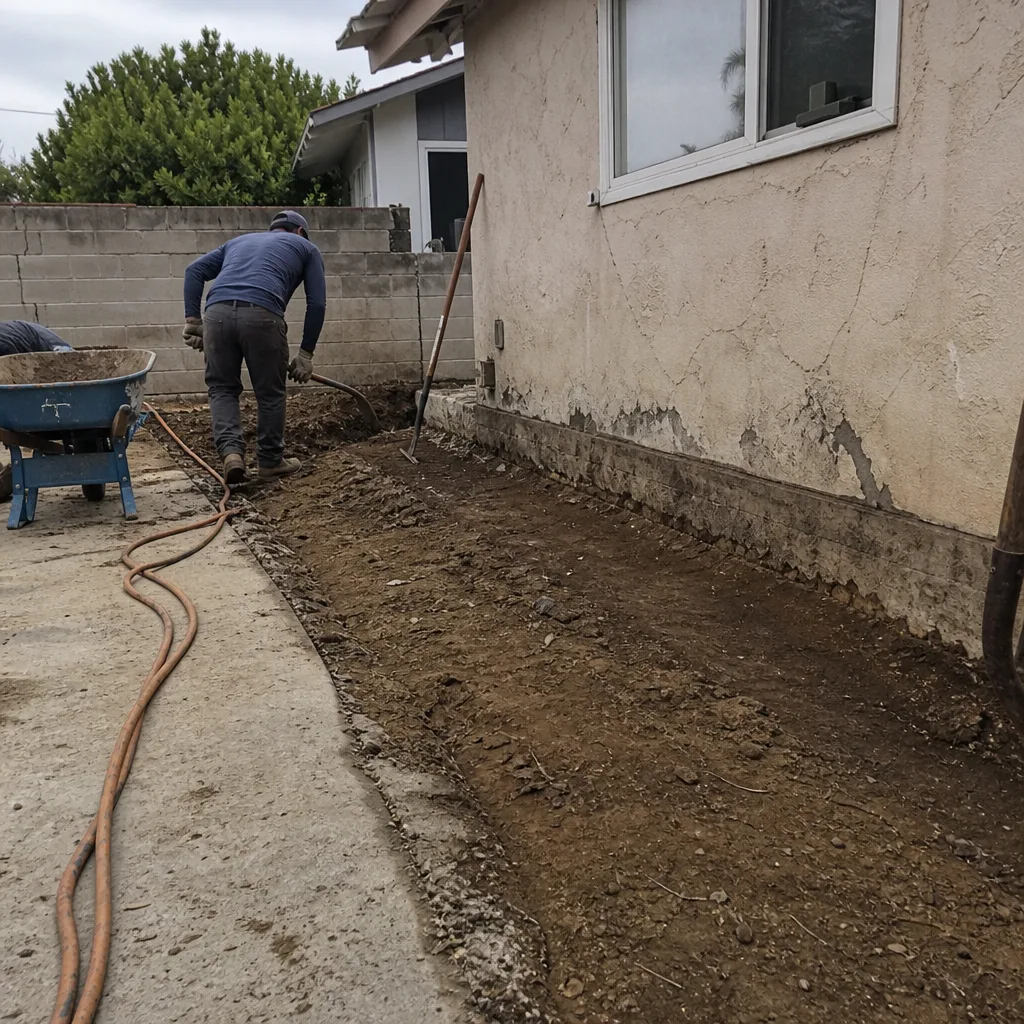 Before
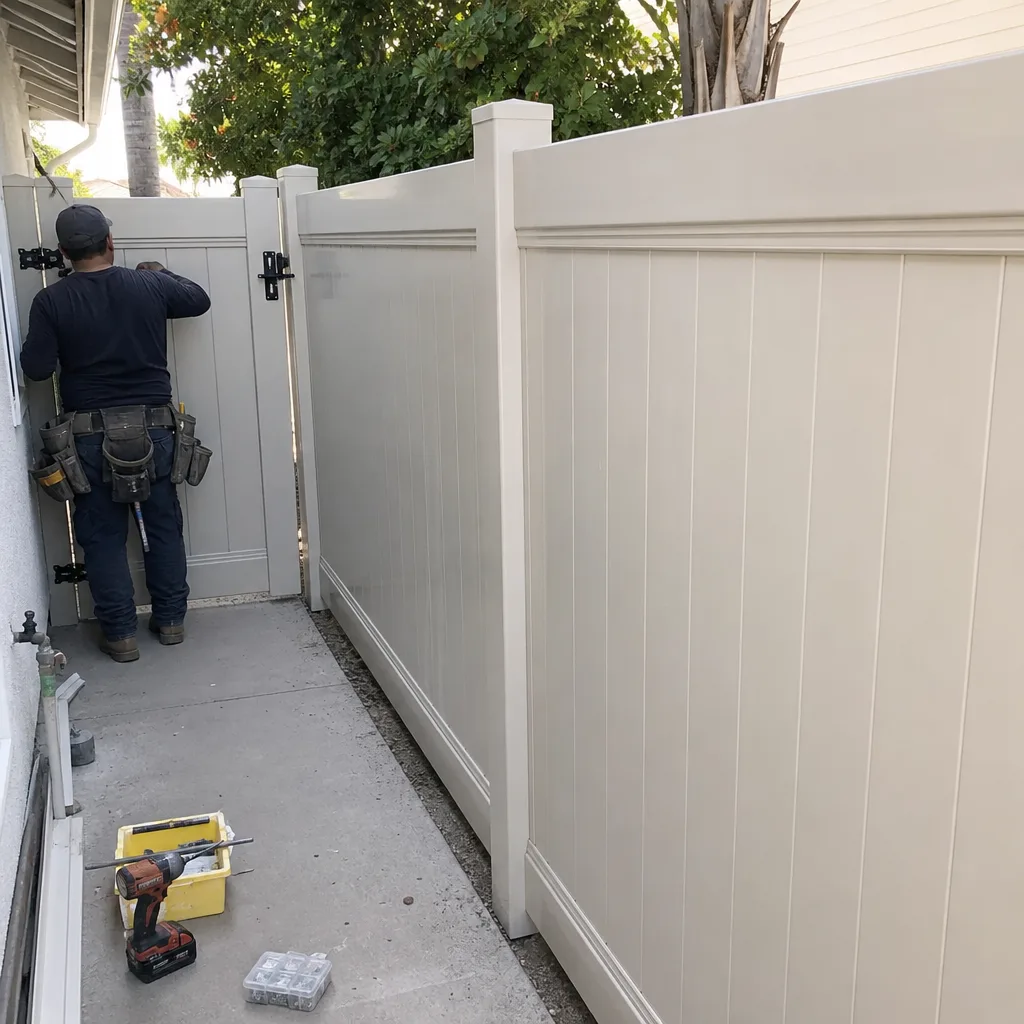 After
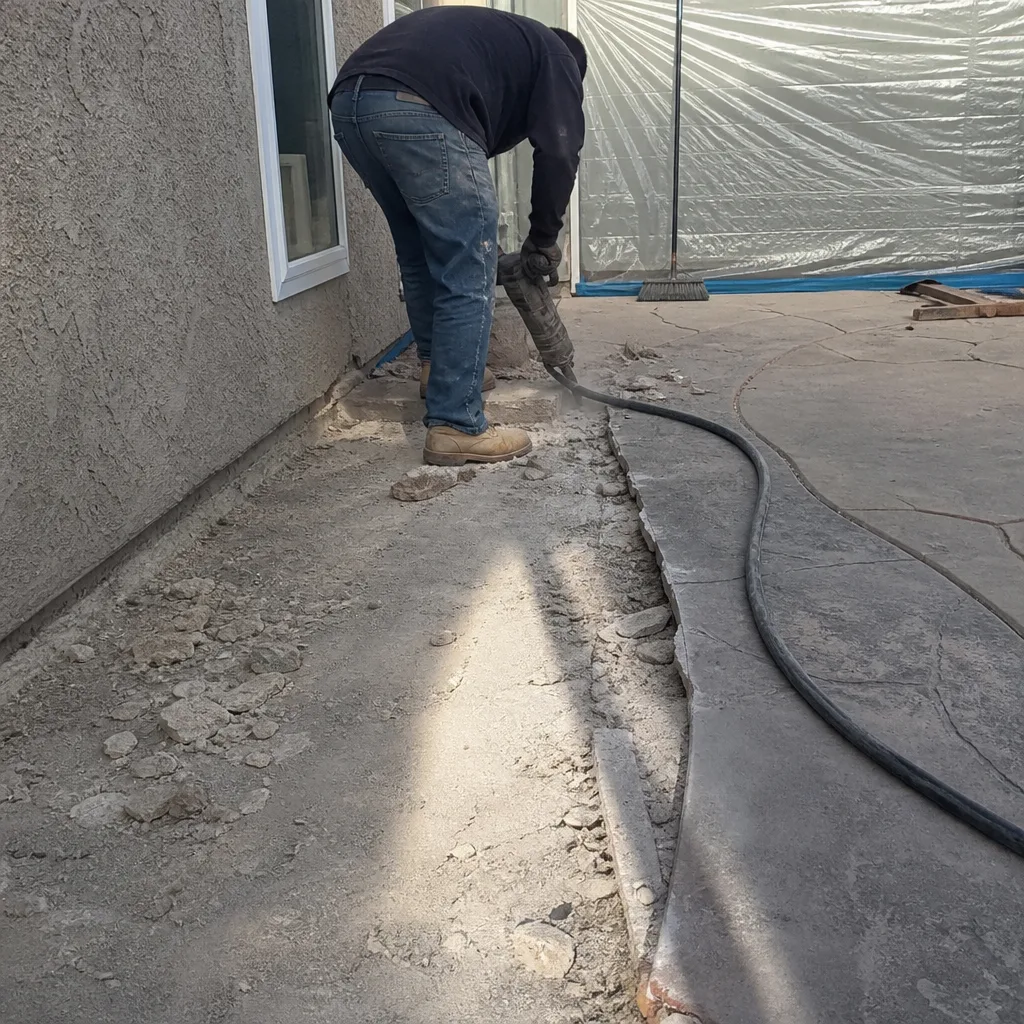 Before
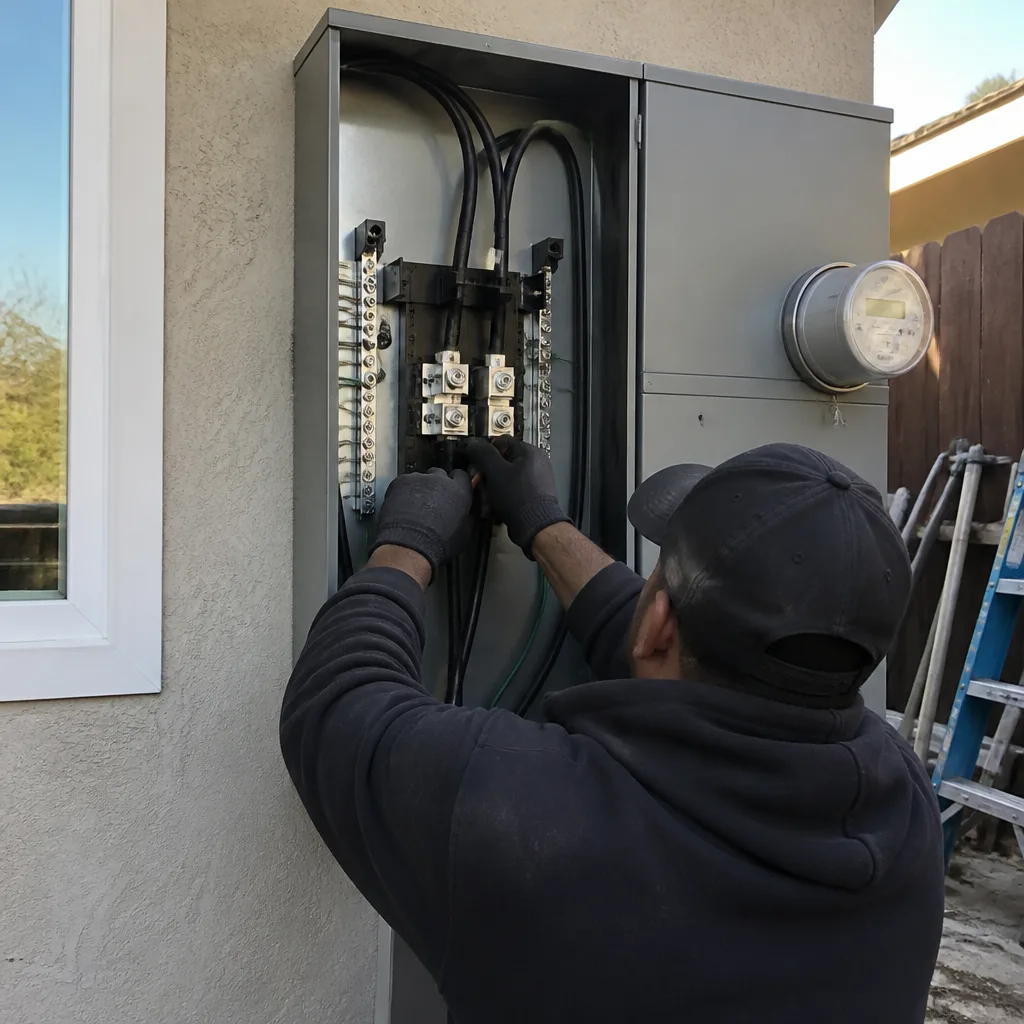 After
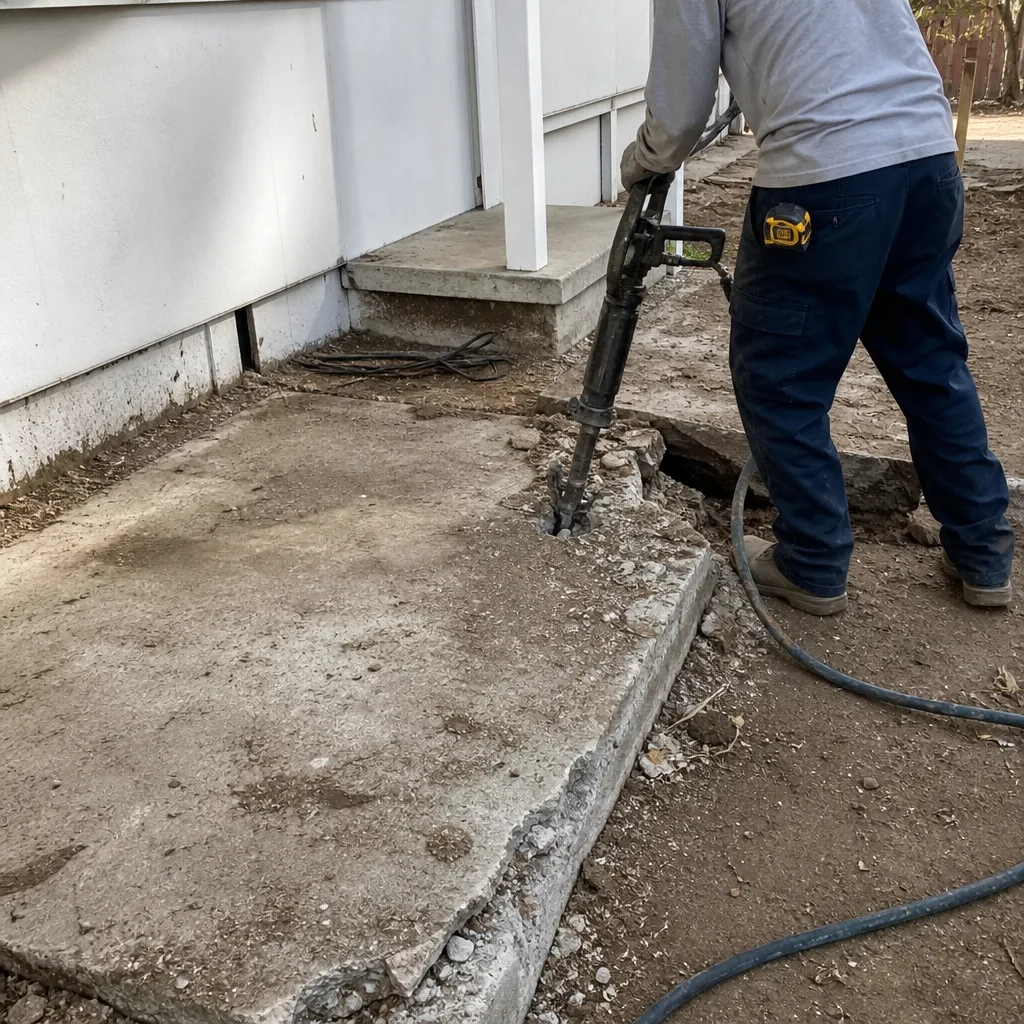 Before
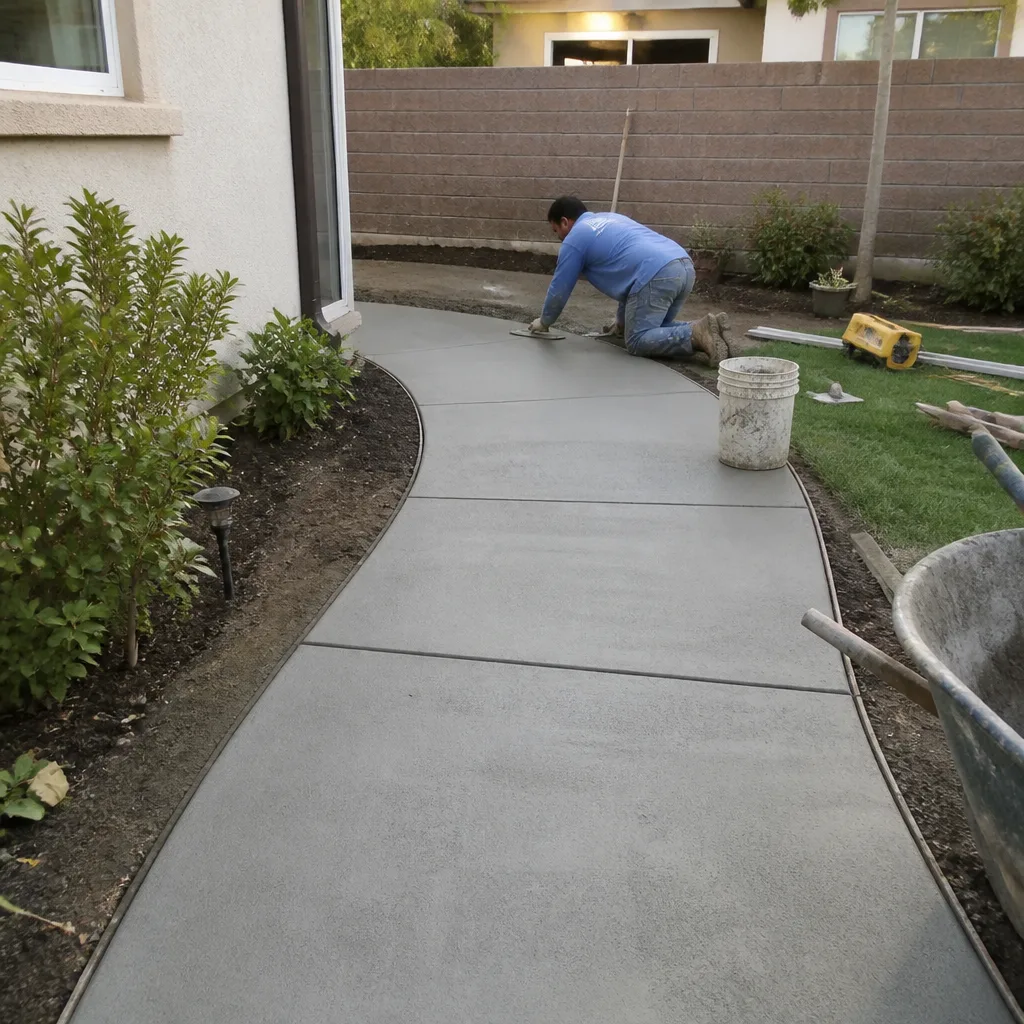 After