
Last updated October 30, 2026
 Home additions & ADU
 Kitchen remodeling
 Bathroom remodeling
 Roofing
 Windows & doors
 Driveway & pavers
 Fence
Free written scope consultation - allowances, timeline, and change-order rules on paper before a single trade is scheduled
Seasonal Construction Care for Tustin: Year-Round Homeowner’s Guide
Most Tustin homeowners believe they live in a climate that doesn’t demand seasonal home care. The thinking goes: no snow, no freezing pipes, no real winter. That assumption is precisely why roofing contractors in Tustin are booked solid every November when the first rains expose deferred maintenance that had a full dry season to be addressed. This guide maps the four seasonal windows that actually matter here, which construction components degrade fastest in Tustin’s specific climate profile, and the inspection schedule that catches problems before they become emergency calls. For a broader overview, see our The Complete Guide to Construction in Tustin.
Styles & brands we work with
Quick Answer
Seasonal construction care in Tustin, CA revolves around four windows: Santa Ana wind preparation from September through November, compressed rainy season readiness from December through February, post-rain structural assessment from February through March, and peak UV and heat hardening from May through September. If you’re new to managing a home here, our The Complete General Contractor Guide for Tustin Homeowners covers how to vet and work with pros for each phase. Homeowners who follow this schedule typically extend roofing, hardscape, and exterior envelope life by 3 to 5 years compared to those who react to failures as they occur.
Table of Contents
- Santa Ana Wind Preparation (September – November)
- Compressed Rainy Season Readiness (December – February)
- Post-Rain Structural Assessment (February – March)
- Peak UV and Heat Hardening (May – September)
- Which Components Degrade Fastest in Tustin’s Climate
- Spring Hardscape and Exterior Envelope Audit
- The Full-Year Inspection Schedule
- Common Mistakes to Avoid
- When to Call a Professional
- Frequently Asked Questions
- The Bottom Line
Santa Ana Wind Preparation (September – November)
Santa Ana winds are the most destructive weather event Tustin faces, and they arrive like clockwork every fall. These offshore winds regularly gust past 40 mph, and in the foothill-adjacent neighborhoods of Tustin, including Lemon Heights and the areas east of the 261 toll road, gusts can exceed 60 mph. A 60 mph gust exerts roughly 15 pounds per square foot of lateral pressure on vertical surfaces. Your fence, your roof fasteners, and anything loose in your yard all become liabilities in those conditions.
Start with a roofing fastener audit. Roofing crews in Tustin commonly find shingle tabs that lifted during the previous Santa Ana season and never reseated properly. In our experience, a single lifted tab on the windward slope cascades into full sections of missing shingles once winds sustain above 35 mph. Walk the perimeter of your home with binoculars and look for lifted edges, exposed nails, and any shingle that appears raised by more than an eighth of an inch. If you spot more than a handful, schedule a roof inspection before the first wind event.
The same audit applies to fencing. Tustin’s older neighborhoods, from Old Town Tustin to the tract homes west of Red Hill Avenue, have a mix of wood and vinyl fencing. Wood fence posts set in concrete rarely fail from wind alone; what fails are the pickets and rails that have slowly loosened through years of thermal expansion. A post that wobbles when you push it with one hand is a post that will not survive a sustained Santa Ana event. Walk your fence line in September and push every third post. Tighten what’s loose, replace what’s rotted.
Exterior lighting is the overlooked projectile. String lights, hanging fixtures, and even poorly mounted wall sconces become airborne hazards in 60 mph gusts. Check that all exterior fixtures are anchored to junction boxes or structural blocking, not just stucco anchors. Stucco alone will not hold a pendant light against Santa Ana wind loads in Tustin.
September Checklist: Santa Ana Wind Prep
- Roof fastener inspection: Check for lifted shingle tabs, exposed nail heads, and any signs of previous wind damage on all slopes, particularly the north and east facing slopes that take the brunt of offshore winds in Tustin.
- Fence post and rail test: Push every third post. Look for rot at the soil line where irrigation runoff has kept wood wet through the summer.
- Exterior fixture audit: Verify all wall sconces, pendant lights, and outdoor fans are secured to structural blocking or boxes rated for exterior wind exposure.
- Loose object sweep: Patio furniture, planters, yard tools, and anything under 20 pounds that sits in your yard needs to be stored or secured before the first wind watch.
- Gutter check: Santa Ana winds in Tustin deposit an enormous amount of leaf litter and debris into gutters in a single afternoon. Clean gutters before wind season so they are ready to function during rain season.
One note on sequencing: many Tustin homeowners wait until after Santa Ana season to clean gutters, reasoning that wind deposits more debris than rain. The smarter sequence is to clean gutters in late September, then again in early December. The September cleaning catches the summer’s accumulated dust and the first Santa Ana debris. The December cleaning catches the remaining wind-deposited material before the compressed rainy season hits.
Compressed Rainy Season Readiness (December – February)
Tustin receives about 13 inches of rain annually, but that number is misleading. In a typical year, 80 percent of that precipitation falls in 8 to 12 storm events between December and February. The infrastructure that fails first is almost always drainage. Downspouts that worked fine for eleven months suddenly overflow because the volume of water in a single Tustin storm overwhelms a system that was never designed to handle it.
The gutter and downspout system needs to be treated as a single engineered path. Walk the perimeter of your home during the first real rain of the season, not after it. Watch where water exits each downspout. If it pools against the foundation or flows back toward the structure, you have a grading or extension problem that will worsen with every subsequent storm. Downspout extensions in Tustin should carry water a minimum of 4 feet from the foundation, and on sloped lots, that distance needs to increase based on the grade.
Roof drainage is equally critical in Tustin’s compressed rain season. A roof that leaks only during the second hour of a sustained storm usually has a flaw at a penetration or valley, not a widespread failure. Flashing around chimneys, skylights, and vent pipes is where water intrusion starts. The time to inspect flashing is December, not February. In our experience, flashing failures account for the majority of roof leaks in Tustin homes built before 2000, particularly around plumbing vents where the rubber boot has degraded from UV exposure.
Window and door seals deserve attention before the first storm. Tustin’s summer heat dries out and shrinks caulking. When winter rain hits, that hardened caulking has lost its elasticity and no longer bridges the gap between frame and stucco. Run a bead of painter’s caulk along window and door frames in November if you see any cracking or separation. This is a two-hour job that prevents water intrusion behind the stucco, which is a much bigger problem to fix later.
December Checklist: Rainy Season Readiness
- Flashing inspection: Check all roof penetrations including plumbing vents, furnace flues, skylights, and chimneys for cracked boots, lifted flashing, or missing sealant.
- Downspout flow test: Run a garden hose into each gutter and verify water exits at least 4 feet from the foundation.
- Caulking refresh: Address any cracked or separated caulk around windows, doors, and trim joints before the first storm.
- Interior leak markers: Note any existing water stains on ceilings or walls with painter’s tape and photograph them. Check after the first storm for changes.
One Tustin-specific consideration: homes near Peters Canyon and the Santiago Creek corridor sit on soil that expands significantly when saturated. This causes minor foundation movement and hairline cracks in stucco that open and close seasonally. Those cracks are not structural failures, but they do become water intrusion points during rain season. Seal hairline stucco cracks in December with an elastomeric caulk that can flex with the seasonal movement.
Post-Rain Structural Assessment (February – March)
The weeks after Tustin’s last significant rain are the most important inspection window of the year. This is when the damage that occurred during the rainy season becomes visible, and it’s the last opportunity to address it before the summer heat locks the moisture into the structure.
Start with the attic. Pull down the access ladder in March and look at the underside of the roof decking. Water stains, dark streaking, or any sign of mold growth indicates a leak that needs to be traced. The source may be obvious, like a visible gap around a vent pipe, or subtle, like a nail that backed out and created a pinhole leak. Tustin’s low humidity usually dries out minor attic moisture quickly, which makes the stains easier to spot later, but the source still needs to be repaired.
Next, check the exterior envelope. Walk the perimeter and look for any stucco areas that remain dark or damp several days after the last rain. Persistent dampness indicates water that has penetrated the stucco and is trapped between the finish and the building paper. In Tustin’s older homes, particularly in the ranch-style neighborhoods north of First Street, stucco delamination is a real problem after wet winters. Tap suspicious areas with a knuckle; a hollow sound indicates separation.
The post-rain window is also when fence failures show up. Winter rains soften soil, and fence posts that were marginal before the rain will lean noticeably afterward. Address leaning posts in February or March, while the soil is still soft enough to dig but after the rain has stopped. Waiting until summer means digging in Tustin’s hardpan soil, which turns concrete-like in the heat.
Finally, inspect hardscape surfaces for settlement. Pavers and poured concrete shift when the soil beneath them expands and contracts with winter moisture. A paver patio that dropped half an inch in one corner is telling you that the base material eroded. That’s a drainage problem, not just a cosmetic issue. The fix is usually regrading and compacting the base, not just replacing the surface pavers.
Peak UV and Heat Hardening (May – September)
Tustin’s summer is the season homeowners ignore, and it causes more cumulative damage than any other time of year. The combination of high UV exposure, low humidity, and weeks of 90-degree-plus temperatures degrades building materials in ways that don’t become visible until months later.
Roofing takes the hardest hit. The asphalt shingles on a Tustin roof absorb solar radiation all summer. The surface temperature of a dark shingle on a 95-degree day reaches 160 to 180 degrees. That heat accelerates the evaporation of volatiles in the shingle, which makes the material brittle. By year 12 or 15, depending on the shingle manufacturer and installation quality, brittleness leads to cracking, granule loss, and eventually leaks. The best thing a homeowner can do is schedule a roof inspection in May, before the heat wave, and address any exposed nail heads or damaged shingles before a full summer of UV exposure makes them worse.
Windows and doors suffer differently. The real problem in Tustin is not the glass itself; it’s the seals and weatherstripping around them. UV radiation breaks down the polymers in weatherstripping within a few summers. That’s why so many homes in Tustin have doors that let dust in during Santa Ana season and heat in during summer. Check weatherstripping and door sweeps in May. Replacement weatherstripping is inexpensive, and a properly sealed door makes a measurable difference in cooling costs.
Hardscape surfaces need attention too. Poured concrete, pavers, and natural stone all expand and contract with temperature swings. Tustin’s diurnal temperature range is significant, especially in the foothill neighborhoods where overnight lows drop into the 50s after 95-degree days. That thermal cycling causes hairline cracks, especially in concrete slabs poured without good expansion joint spacing. Seal concrete and paver surfaces in May with a penetrating sealer designed for UV resistance. This reduces water absorption during the next rainy season and slows surface degradation from sun exposure.
May Checklist: UV and Heat Hardening
- Roof inspection: Schedule a professional inspection in May, before the peak heat, to identify shingle damage that will worsen with another summer of UV exposure.
- Weatherstripping check: Inspect and replace door sweeps and window weatherstripping that have hardened from prior summers.
- Concrete and paver sealing: Apply a penetrating UV-resistant sealer to outdoor concrete and paver surfaces.
- Caulking check: Look for caulk that has shrunk or cracked from summer heat. Re-caulk now so it is flexible before the winter rains return.
We specify products based on exposure reality. When we install a roof in Tustin, we talk through material choices like Owens Corning or IKO shingles specifically because their granule adhesion and UV degradation profiles hold up better than budget lines under sustained Southern California sun. For help weighing brands, read Choosing the Right Construction Brand: A Buyer’s Guide for Tustin. The brand matters less than the specification, but a shingle rated for high-UV climates lasts measurably longer here.
Which Components Degrade Fastest in Tustin’s Climate
Tustin’s climate profile is defined by three forces: high UV exposure, low humidity, and seasonal high winds. Each force attacks different building components in different ways. Understanding the pattern lets you prioritize inspections by urgency rather than waiting for visible failure.
UV radiation attacks any polymer-based material: shingles, caulking, weatherstripping, paint, and sealants. The degradation is invisible for years. Then it fails suddenly, usually during the first storm after the material has fully hardened and cracked. The way to catch UV damage early is to physically flex caulking and weatherstripping. If it bends without cracking, it still has life. If it snaps or crumbles, replacement was overdue.
Low humidity is a slower killer. Wood framing, trim, and decking in Tustin dry out over time. This causes shrinkage, which leads to nail pops, gap formation, and, in the worst cases, structural checking in beams. The older the home, the more this matters. Homes in Old Town Tustin and the surrounding historic districts have old-growth framing that has been drying for decades. That wood is incredibly stable, but it has already moved as much as it’s going to. The concern in newer homes is kiln-dried lumber that continues to shrink after construction. Walk through your home in August and look for nail pops in drywall, gaps in baseboards, and any door that suddenly sticks. These are signals that the framing is adjusting, and they’re completely normal in Tustin’s climate as long as they remain minor.
High winds attack anything with exposed surface area. Fencing, roofing, patio covers, and exterior lighting are the obvious victims. Less obvious are the fasteners that hold everything together. Tustin’s combination of thermal cycling and occasional high winds gradually works screws and nails loose. A roof installed ten years ago may still look fine from the street, but the nails underneath may have backed out enough to allow shingle lift during the next Santa Ana event. That’s why a pre-wind roof inspection in September is non-negotiable for older roofs.
Spring Hardscape and Exterior Envelope Audit
The spring audit is the highest-value maintenance routine a Tustin homeowner can perform. Done correctly in March and April, it extends the life of sun-exposed outdoor surfaces by 3 to 5 years and catches problems while they’re still cheap to fix. Here’s the sequence that catches the most issues.
Step one: hardscape inspection. Walk every square foot of your concrete, pavers, and natural stone. Look for cracks wider than a credit card, uneven settling, and any area where water pools after rain. Pooling water on hardscape is a sign that the base material has shifted, and the longer it goes unaddressed, the more expensive the repair becomes.
Step two: exterior window and door audit. Check every exterior opening for air leaks. Run your hand around the perimeter of each window and door on a breezy day. If you feel air movement, the weatherstripping or caulking has failed. Tustin’s summer heat makes those leaks expensive by forcing your air conditioner to work harder. Fix them in spring before the heat arrives.
Step three: fence line inspection. Spring is the time to repair fence sections that shifted during the winter rains. Check post alignment, picket attachment, and gate operation. Gates in particular take a beating in Tustin’s climate because they’re exposed to thermal cycling, occasional moisture, and constant use. A gate that drags on the ground in March will be fully jammed by June when the ground hardens.
Step four: paint and stucco check. Look for peeling paint, particularly on south and west facing walls that get the most direct sun in Tustin. Peeling paint is more than an aesthetic issue; it exposes the underlying material to moisture and UV damage. Address it before the summer sun accelerates the deterioration.
The spring audit is also a good time to evaluate whether you’re ready for a larger project. A full home remodeling in Tustin can be planned around the weather calendar so that exterior work happens in the temperate spring and fall windows. At Ashbury Contractors, we schedule exterior work around Tustin’s climate patterns, not vice versa.
The Full-Year Inspection Schedule
Here’s the complete Tustin seasonal inspection calendar in one place. Print it, tape it in the garage, and set phone reminders. The homeowners who follow this schedule catch problems early. The ones who don’t become emergency calls.
September: Santa Ana Wind Prep
- Roof fastener and shingle lift inspection
- Fence post and rail stability check
- Exterior fixture and lighting anchor verification
- Gutter cleaning (first of two annual cleanings)
December: Rainy Season Readiness
- Roof flashing and penetration inspection
- Downspout flow test and extension check
- Window and door caulking refresh
- Gutter cleaning (second of two annual cleanings)
March: Post-Rain Assessment
- Attic inspection for water stains and mold
- Stucco dampness and delamination check
- Fence alignment and gate operation check
- Hardscape settlement and drainage assessment
May: UV and Heat Hardening
- Professional roof inspection for UV damage
- Weatherstripping and door sweep replacement
- Concrete and paver sealing
- South and west exposure paint inspection
If you’re undertaking a home renovation in Tustin, this seasonal schedule should inform your material choices. Products specified for Tustin’s UV load and wind exposure last longer, and timing the work around the seasonal calendar reduces disruption.
Common Mistakes to Avoid
- Treating every month the same: Tustin’s seasons are subtle enough that homeowners assume maintenance can happen anytime. What actually happens is that deferred maintenance from summer becomes emergency repair after the first winter storm. Roofers and gutter companies in Tustin are booked solid in December because everyone discovers their problems at the same time.
- Ignoring Santa Ana season because “nothing happened last year”: Wind damage is cumulative. Fasteners loosen gradually, shingles lose adhesion slowly, and the fence that survived last year’s gusts may be one good push away from failing this year.
- Assuming a new roof needs no attention: A roof installed five years ago in Tustin still needs annual inspections. Nail pops happen within the first two years. Flashing failures happen within the first five. The first five years of a roof’s life are when the most preventable failures occur.
- Waiting until rain to check drainage: The best time to test your gutter and downspout system is during dry weather, using a garden hose. Testing during an actual storm means discovering the problem when it’s already causing water damage.
- Sealing concrete in the heat: Sealer applied to a 140-degree concrete surface during summer cures improperly and peels within months. Seal in the moderate temperatures of spring or fall, never in peak Tustin summer heat.
- Using interior caulk on exterior surfaces: Interior painter’s caulk is not formulated for UV exposure or thermal movement. Exterior elastomeric or silicone-based caulk is required for any outdoor application in Tustin’s climate.
- Deferring fence repairs until summer: Digging post holes in Tustin’s summer-hardened soil is brutal work and often requires different equipment than spring digging. Fix fence problems in the post-rain window when the soil is workable.
When to Call a Professional
Some seasonal maintenance is DIY-friendly. Gutter cleaning, caulking, weatherstripping, and fence tightening are all within reach for a capable homeowner. But some conditions warrant a professional inspection. If you see water stains on ceilings, persistent dampness in stucco, shingle granule loss in gutters, or a fence that leans more than a few degrees, call a contractor who understands Tustin’s specific failure patterns. A general contractor in Tustin who works year-round in this climate has seen hundreds of the same failures you’re experiencing and can diagnose the root cause quickly. Ashbury Contractors offers free estimates in Tustin. Call (833) 467-4091 to have your home’s seasonal condition assessed by someone who sees these issues every day.
Frequently Asked Questions
Basic seasonal maintenance, including gutter cleaning, caulking, and weatherstripping, typically runs $300 to $800 per year in Tustin when done by professionals. A full annual inspection with a roof check, hardscape audit, and envelope assessment usually runs $500 to $1,200, depending on property size and accessibility.
Yes. While the foothill neighborhoods east of the 261 toll road experience the strongest gusts, central Tustin still sees sustained winds of 30 to 40 mph during Santa Ana events. Loose fasteners, unstable fence posts, and unsecured exterior fixtures fail at those wind speeds too.
Roof leaks that appear only during heavy rain are usually flashing failures at penetrations like vents, chimneys, or skylights. Light rain doesn’t produce enough water volume to overwhelm the flashing’s drainage capacity. Heavy rain exceeds it, and water finds the gap. Address flashings before the rainy season starts.
Twice a year: once in May before the summer UV season, and once in September before Santa Ana wind season. The May inspection catches heat-related damage from the prior summer. The September inspection catches wind-related damage from the prior fall and winter. This schedule costs less than a single emergency repair.
Most of the inspection work in this guide is DIY-friendly. The work itself, including gutter cleaning, caulking, and fence tightening, is within reach for capable homeowners. Call a professional when you find roof damage, water intrusion, structural movement, or any condition that requires access to a roof or ladder work above one story.
Spring and fall are the ideal seasons for exterior remodeling work in Tustin. Spring offers moderate temperatures before summer heat, and fall offers stable weather before the Santa Ana winds. Interior work can happen any time of year. If you’re planning a general contractor in Tustin project, schedule exterior phases around the seasonal calendar to avoid weather-related delays.
The Bottom Line
Tustin’s climate is forgiving compared to most of the country, but it punishes neglect in specific, predictable ways. Santa Ana winds exploit loose fasteners. UV radiation degrades polymers. Compressed rain season overwhelms drainage systems that worked all year. The fix is not more dramatic maintenance; it’s the right maintenance at the right time. Follow the four seasonal windows outlined in this guide, and you’ll catch problems while they’re still cheap to fix. For more guides & resources on maintaining your Tustin home, visit our blog. Ignore the seasons, and you’ll meet them again as emergency repair bills.
Written by the team at Ashbury Contractors, serving Tustin since 2014.
See the difference
 Before
 After
 Before
 After
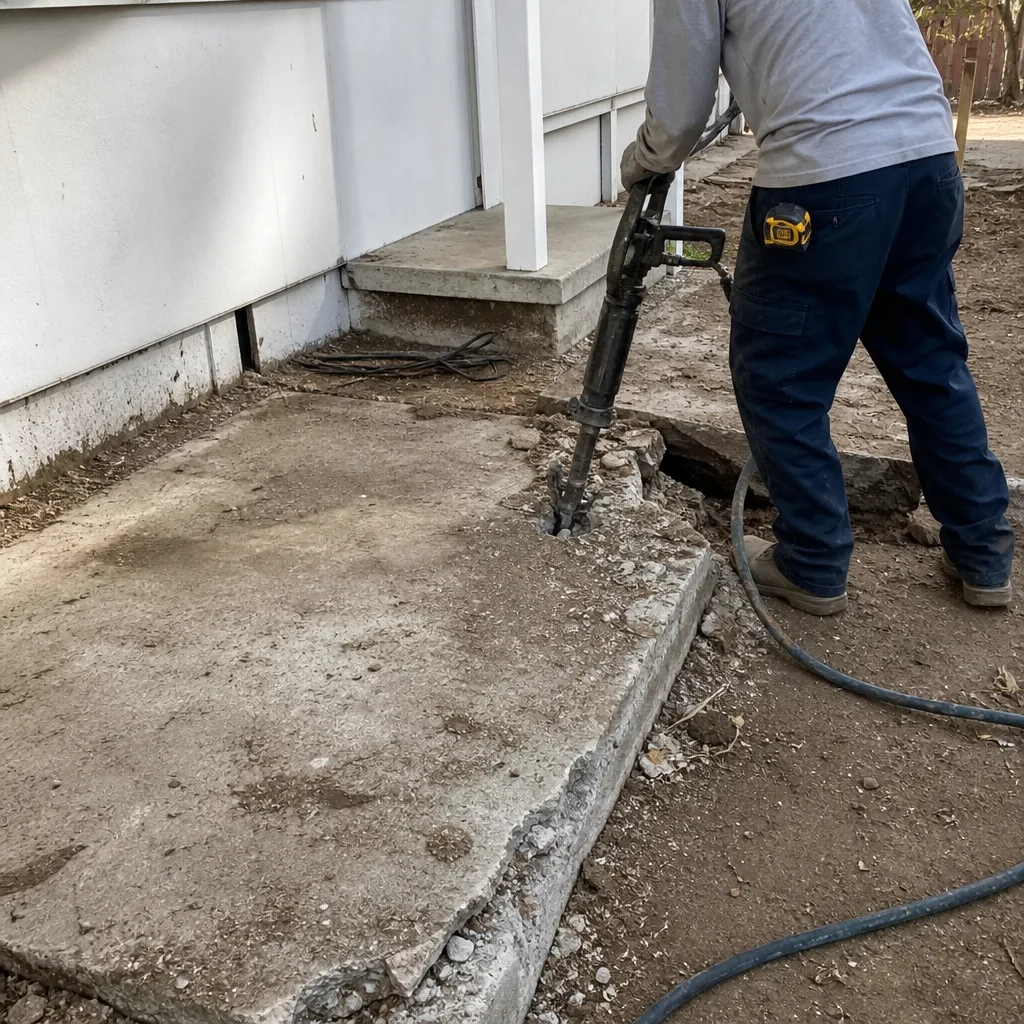 Before
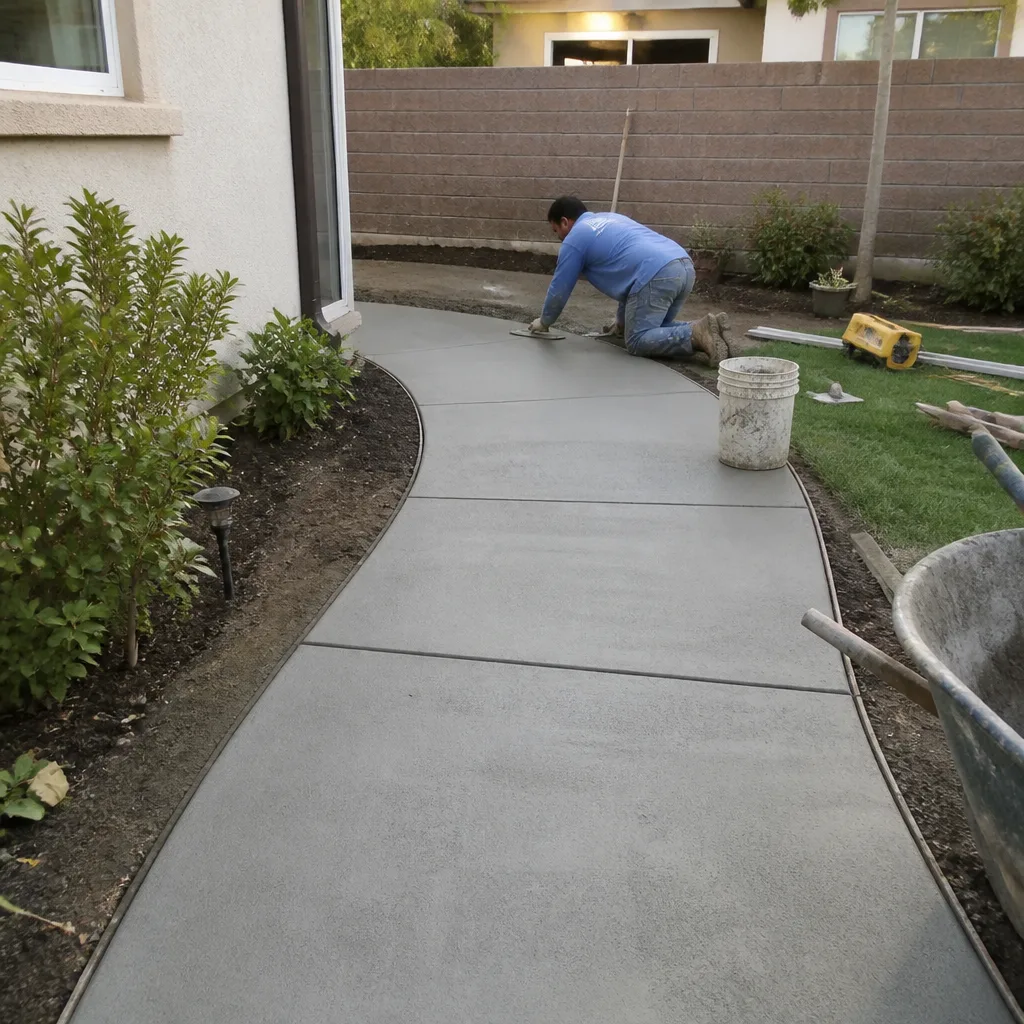 After